
Raccoon poop is easy to recognize once you know what to look for. Your best clues are size, shape, and the location where you find it.
If you can spot the difference between raccoon feces and possum poop, you can make cleaner, safer decisions about cleanup and next steps.

When you compare raccoon scat to other animal waste, location matters as much as appearance. A latrine site, strong odor, and visible food scraps all point to raccoon droppings instead of ordinary backyard debris.
How To Identify Raccoon Droppings At A Glance

Raccoon excrement usually stands out because it is larger than many other wildlife droppings and often appears in repeat-use spots. When you find a pile near a deck, attic entry, tree base, or woodpile, consider the possibility of a raccoon latrine.
Size, Shape, And Texture Clues
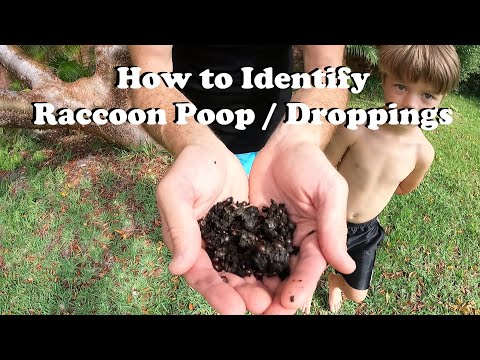
Raccoon droppings are tubular, segmented, and about 2 to 3 inches long, with blunt ends. In photos of raccoon poop pictures, the pellets look solid, dark, and broken into pieces at the segment lines.
The texture is usually firm, not loose or watery. Raccoon scat can resemble small dog waste at first glance, so size and visible food fragments become useful clues.
Color, Smell, And Visible Food Remains
Fresh raccoon feces is often dark brown to black, and older droppings can lighten as they dry. A strong, musky odor is common, especially in enclosed or sheltered areas.
Visible seeds, nut shells, berries, insect parts, or bits of garbage provide major clues. According to Raccoon Poop (Identification Guide With Photos), these food remnants are one of the easiest ways to separate raccoon excrement from many other wildlife droppings.
What A Raccoon Latrine Usually Looks Like
Raccoons create small, repeated drop zones rather than single scattered piles. You may find multiple droppings in the same area, especially near tree bases, roofs, decks, attics, or flat surfaces raccoons revisit.
This repeated pattern shows the site is used habitually. In yards and gardens, raccoon latrines often look like a concentrated cluster of dark, tubular droppings in one spot.
Raccoon Vs. Possum Droppings
Possum poop can look similar to raccoon scat, so you may need several clues at once. Shape, clustering, and the exact placement of the droppings usually give you the clearest answer.
Blunt Ends Vs. Tapered Ends
Raccoon droppings usually have blunt or rounded ends, while possum poop is more likely to taper at one or both ends. Possum droppings also tend to be a little smaller and sometimes lighter in color.
That end shape is one of the fastest visual checks you can make. If the droppings look cylindrical and neatly blunt, raccoon is more likely.
Grouped Latrine Piles Vs. Scattered Deposits
Raccoons often use the same latrine site repeatedly, so you may see grouped piles in one location. Possums are less likely to create a shared toilet area, so their droppings are more often scattered.
If you keep finding fresh piles in the same protected corner, raccoon activity becomes more likely than isolated possum poop.
When Possum Poop Is Mistaken For Raccoon Scat
People often mistake possum droppings for raccoon feces when both are found near decks, crawl spaces, or woodpiles. The confusion usually happens when the droppings are similar in length and both contain bits of food.
A closer look at the ends and the pattern on the ground usually clears it up. If the droppings are smaller, tapered, and spread around rather than concentrated, possum is a stronger match.
Health Risks Linked To Raccoon Waste

Raccoon waste can expose you to parasites and bacteria. Tiny contaminants can spread onto soil, wood, dust, and nearby surfaces.
Raccoon Roundworm And Baylisascaris procyonis
Raccoon roundworm, also known as Baylisascaris procyonis, is a serious parasite found in raccoon feces. The eggs survive in the environment and become dangerous after they mature, so old latrine sites can stay risky.
The CDC’s raccoon latrine cleanup guidance recommends prompt removal to lower exposure risk. If you suspect contamination, avoid disturbing the area while it is dry, since that can spread particles.
Leptospirosis, Raccoon Urine, And Surface Contamination
Raccoon waste can also carry bacteria linked to leptospirosis. Raccoon urine and contaminated surfaces can spread germs into soil, insulation, and outdoor materials.
If you are cleaning near a latrine, assume nearby surfaces may be contaminated. Gloves, careful disposal, and handwashing matter even when the droppings look old and dried.
Rabies Risk And Why Direct Contact Matters
Raccoons are a known rabies risk, so direct contact with an active animal or fresh waste area should be taken seriously. Do not touch raccoon droppings, urine, or nesting material with bare hands.
Avoid sweeping, vacuuming, or blowing the area with dry tools. Any direct exposure, especially around open skin, eyes, or the mouth, raises the chance of infection or contamination.
What To Do If You Find A Latrine Site

Prioritize safety over cleanup speed. Treat the site as contaminated, keep people and pets away, and avoid direct contact until you know what you are dealing with.
Immediate Safety Steps Before Cleanup
Put on disposable gloves before you get close to the area. If the droppings are indoors or in an enclosed space, keep air movement low and avoid dry sweeping that can spread contaminated dust.
Bag the waste carefully and wash exposed tools with hot, soapy water, then disinfect them. The CDC guidance on raccoon latrine cleanup provides a good baseline for cautious handling.
When To Call Humane Wildlife Removal
Call for wildlife removal if you keep finding fresh droppings, hear activity in the attic, or see signs that raccoons are still entering the property. Wildlife removal is the better path when you need the animals excluded before cleanup can truly work.
If the latrine is large, hard to reach, or inside insulation, professional wildlife control is often the safest option. This is especially true when you are trying to get rid of raccoons without exposing yourself to repeated contamination.
Prevention After Wildlife Control
After wildlife control, seal entry points and secure trash. Remove outdoor food sources as well.
Raccoons return quickly if one route stays open. Clean up yards, decks, and attics thoroughly.
Monitor the area for new wildlife droppings. Combine exclusion, sanitation, and a quick response to signs of animal activity for the best prevention.


