
Raccoons are often seen as cute and clever animals, but spotting one during the day can cause concern. Many people believe that if they see a raccoon out in the daylight, it must be sick with rabies. However, seeing a raccoon during the day does not automatically mean it has rabies. These nocturnal creatures can venture out for various reasons, including food or mating.
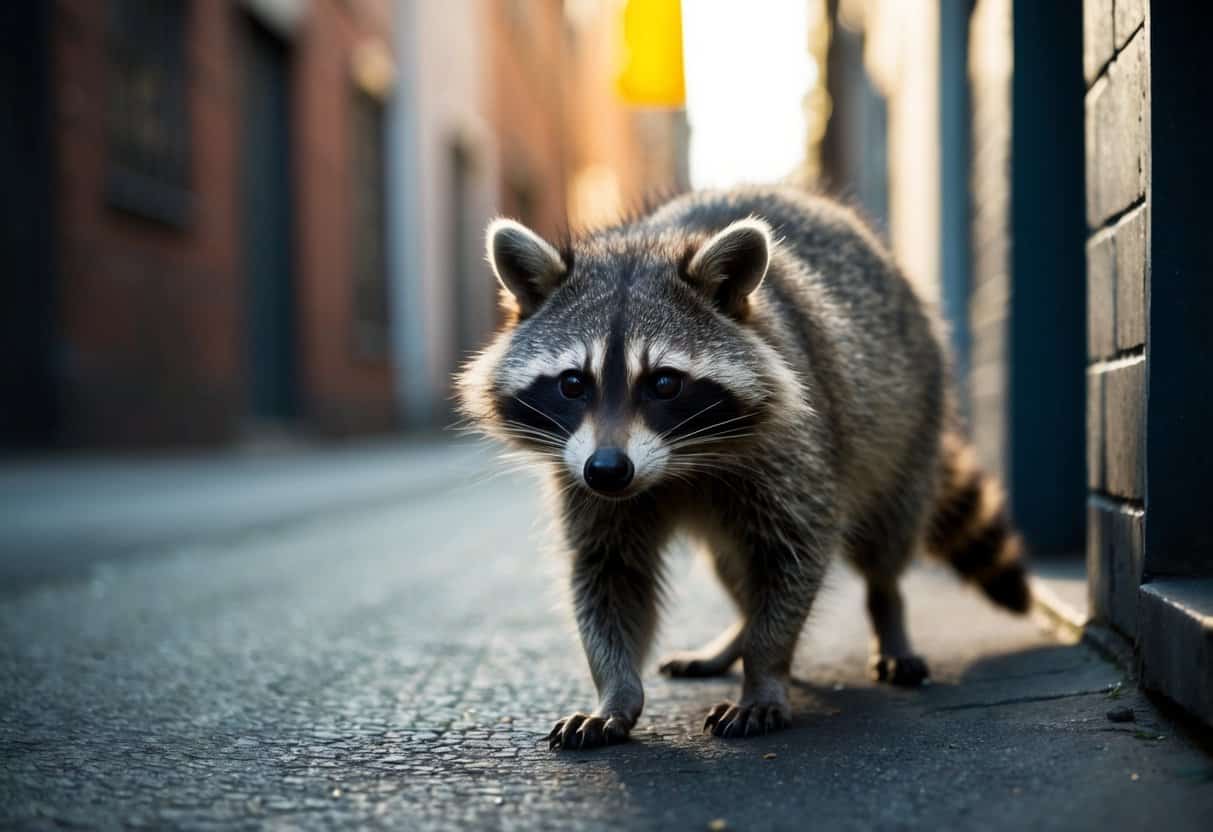
It’s important to observe the raccoon’s behavior if you see one. If it seems healthy and is foraging or exploring, it might just be adjusting its schedule. However, if the raccoon appears lethargic or unsteady, it could signal a problem, and caution is warranted. Understanding these behaviors can help you respond appropriately without jumping to conclusions about rabies.
By learning more about raccoons and their habits, you can feel more at ease when you encounter them. Stay tuned for deeper insights into why these critters might be active in the daylight and how to tell if they’re truly in distress.
Understanding Raccoons and Their Behaviors
Raccoons are fascinating creatures, known for their curiosity and adaptability. They have specific habitats and natural behaviors, often misunderstood by people. Understanding these can help clarify why you might spot a raccoon during the day.
Raccoon Habitats and Nocturnal Lifestyle
Raccoons thrive in various environments, including forests, wetlands, and urban areas. In their natural habitat, they build dens in hollow trees, burrows, or even abandoned buildings.
As nocturnal animals, raccoons are most active at night. This behavior helps them avoid predators and find food. However, their need for food sometimes drives them out during the day, especially if they have young to care for.
If you see a raccoon during the day, it might just be searching for food or in search of a comfortable place to rest.
Common Misconceptions About Daytime Sightings
Many people believe that raccoons seen during the day are ill or rabid. While it can be true, it is not always the case. Raccoons can be out in daylight for different reasons.
For instance, female raccoons with babies often need extra food, pushing them to forage outside their normal hours. Additionally, raccoons are naturally curious animals. They will explore their surroundings, even during the day, especially in urban areas where food is available.
Understanding these factors helps reduce fear and promotes a more educated view of raccoon behavior.
Typical Raccoon Diet and Attraction to Urban Areas
Raccoons are omnivores, meaning they eat both plants and animals. Their diet typically includes fruits, nuts, insects, and small animals. In urban areas, they often find food in garbage cans or pet bowls, which can lead to increased sightings.
This attraction to human environments makes them skilled scavengers. A healthy raccoon can adapt well to urban life, learning to open containers and find food in many places.
If you live in an area with many raccoons, securing trash and minimizing food sources can help manage their presence. Recognizing their diet and habits supports coexisting peacefully with these intelligent creatures.
Rabies Facts and Myths
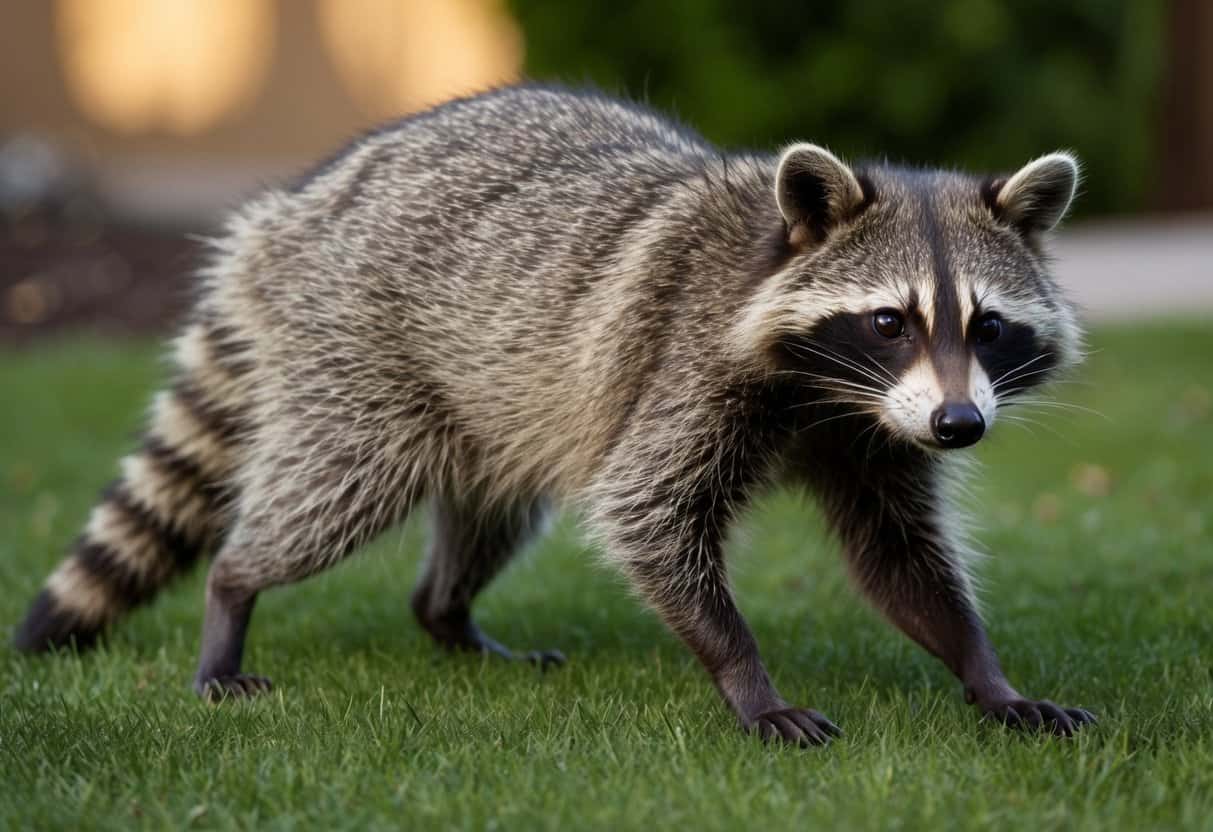
Understanding rabies can help you feel more at ease when you encounter animals like raccoons. Let’s explore how the rabies virus affects animals, the truth about raccoons and rabies, and how to handle potential exposure.
How Rabies Affects Animals
Rabies is a viral disease that primarily impacts the nervous system of mammals. The rabies virus is most commonly spread through bites from infected animals, such as raccoons, bats, and skunks.
Symptoms of rabies can include:
- Behavioral changes: Animals may become unusually aggressive or vocal.
- Physical signs: Look for abnormal movements or seizures.
- Hydrophobia: An aversion to water may also occur as the virus progresses.
Once symptoms appear, rabies is almost always fatal. Therefore, prevention through vaccination is crucial for pets and control of wild populations.
The Reality of Raccoons with Rabies
Seeing a raccoon during the day does not automatically mean it is rabid. Many raccoons venture out in daylight for various reasons, including hunger or environmental changes.
That said, rabid raccoons may display unusual behavior, such as:
- Lack of fear of humans
- Disorientation or staggering
- Aggression toward other animals or people
Rabies in raccoons is more prevalent in certain areas. Always trust your instincts—if a raccoon acts strangely, it’s best to keep your distance and report it to animal control or a wildlife rehabilitator.
Preventing and Handling Potential Rabies Exposure
To prevent rabies exposure, it’s essential to keep your pets up to date on vaccinations. Vaccinated pets are less likely to contract the virus.
If you encounter a wild animal acting strangely, do not approach it. Instead, contact local animal control for assistance.
In case of a bite or scratch from a wild animal:
- Wash the wound thoroughly with soap and water.
- Seek medical attention immediately.
- Report the incident to local health officials.
Following these steps can help protect you and your pets from rabies. Remember to stay informed and remain cautious around wildlife.
When to Call Professionals
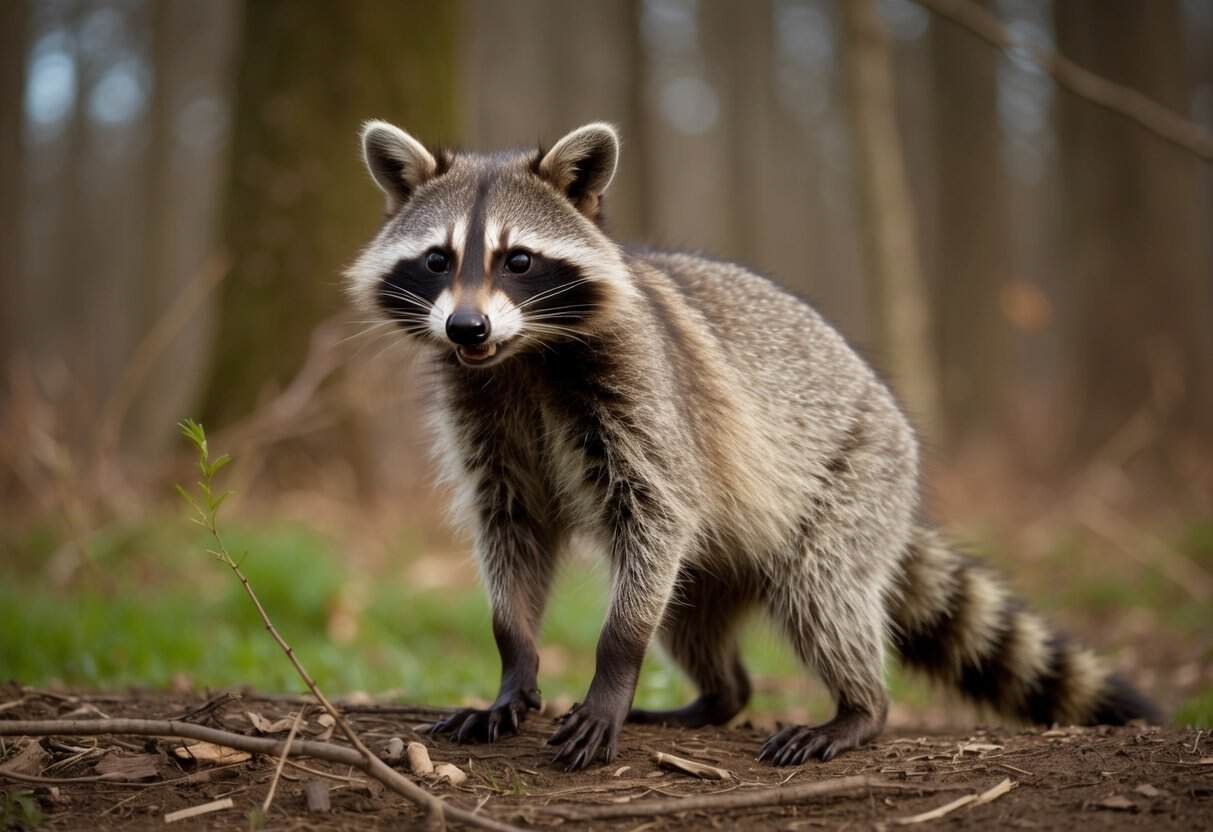
If you see a raccoon during the day, it’s important to assess if it might be sick or if it poses a threat to your property. Knowing when to get professional help can ensure both your safety and the well-being of the raccoon.
Identifying a Sick or Injured Raccoon
Look for signs that the raccoon may be sick or injured. Behaviors like wandering in circles, appearing weak, or showing unusual aggression are red flags.
If a raccoon is acting different than usual, such as licking its wounds or struggling to walk, it may need assistance.
Raccoons can carry diseases such as distemper, which can affect their behavior. If you notice any of these signs, it’s best to keep your distance and contact animal control for help. Wildlife control experts can safely assess the situation and decide the best course of action. Remember, approaching an injured raccoon can be dangerous.
Safeguarding Your Home From Raccoon Damage
To protect your home from potential damage caused by raccoons, call professionals if you spot signs of these animals around your property. Look for entry points like gaps in roofs, vents, or crawl spaces where raccoons may take shelter.
Using peppermint oil can be an effective deterrent. Spraying it around entry points can make your home less inviting.
If you already have raccoons in your area, consider contacting wildlife removal services. They can help prevent further damage and safely remove any animals that may have gotten in.
Taking these steps can save you money and help maintain a peaceful home.


