
Ever been sprayed by a skunk or just caught that nasty whiff in the air? You might wonder: is skunk spray actually toxic? Here’s the thing—skunk spray isn’t poisonous to humans, but it sure is unpleasant. It can make your eyes burn, sting for a bit, and the smell? It sticks around and can make you feel queasy if it’s strong enough.

The spray isn’t deadly, but it’s definitely uncomfortable. Knowing what’s in skunk spray and how it affects you can make a difference when you’re dealing with it.
Curious how to handle skunk spray safely? Let’s dig into what you should do if you or your pet get sprayed.
Are Skunks Toxic to Humans?
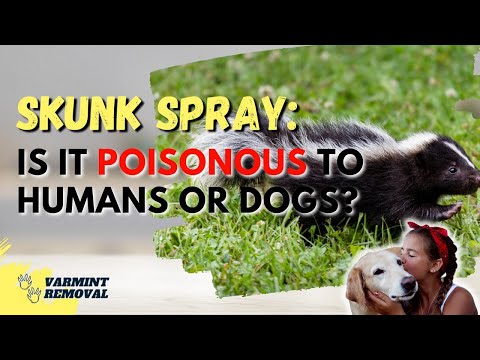
Skunks don’t poison people, but their spray can irritate your skin and eyes. They sometimes carry diseases like rabies, which you might catch from a bite or scratch.
If you know how skunks affect your health, you can stay safer around them.
Toxic Components of Skunk Spray
Skunk spray is a yellow, oily liquid packed with sulfur chemicals called thiols. That’s what makes it smell so awful—think rotten eggs or spoiled cabbage.
It evaporates fast, turning into a gas that lingers. A skunk can spray about 2 teaspoons, and the spray can reach up to 20 feet.
Even a tiny bit stinks up the place. The spray isn’t poisonous, but it sure irritates your eyes, skin, and lungs.
It’s sticky and tough to wash off. Try not to get it in your eyes or mouth, because that really burns.
Immediate Effects of Exposure
If a skunk sprays you, your eyes might sting, burn, turn red, and water. Sometimes you can’t open your eyes for a few minutes.
Breathing in the spray can irritate your nose and lungs. If you have asthma, it could make your symptoms worse.
The smell might make you feel nauseous or dizzy. On your skin, it’s just plain irritating and tough to get rid of.
If you or your pet gets sprayed, use a mix of hydrogen peroxide, baking soda, and dish soap to break down the oil and smell. Getting fresh air helps clear out the odor inside.
Risks of Bites and Scratches
Skunks usually leave people alone, but if they feel threatened, they might bite or scratch. The bigger risk comes from diseases, especially rabies.
Rabies spreads through an infected skunk’s saliva, not their spray. If a skunk bites or scratches you or your pet, get medical help right away.
Some other diseases, like leptospirosis, can also pass from contact with skunks. Try not to touch wild skunks, and keep an eye on your pets to avoid bites and disease.
Vulnerable Populations
Some people react more strongly to skunk spray. Folks with asthma, allergies, or lung issues might cough, wheeze, or have trouble breathing if they inhale the spray.
Kids are more sensitive, and pets like dogs and cats can get eye irritation, vomit, or even go temporarily blind if they get sprayed. Rarely, pets might have serious blood problems after heavy exposure.
If anyone has strong or lasting symptoms after skunk contact, get them to a doctor or veterinarian quickly.
Reducing Human-Skunk Conflicts and Staying Safe

You can keep skunks away by making your home less inviting and understanding how they act. Sometimes you’ll need to call in the pros.
Preventive Measures Around the Home
Keep trash cans closed tight, maybe with bungee cords. Skunks love easy food, so don’t leave pet food outside at night.
Pick up fallen fruit or birdseed from your yard. If you don’t, you might just be inviting skunks over for dinner.
Seal off gaps under decks, porches, and sheds so skunks can’t dig in or make a den. Motion-activated lights or sprinklers can scare them off.
Try natural repellents like citrus peels or ammonia-soaked rags—they work without hurting the animals. Check your yard for signs of digging or skunks, especially at dusk or dawn.
Taking these steps keeps skunks away and lowers your chances of running into trouble.
When to Call a Skunk Removal Service
If a skunk moves in under your porch or you keep smelling skunk and can’t get rid of it, it’s time to call a removal service. Pros have the right gear and know-how to handle skunks safely.
Don’t try to catch or move a skunk yourself, especially if it looks sick or acts weird. Skunks can carry rabies, and the spray is tough to clean up.
A removal expert can trap and move the skunk humanely, keeping your home and family safe. Make sure you choose a licensed, experienced wildlife service.
They can also help you secure your property so skunks—and other critters—don’t come back.
Understanding Skunk Behavior
Skunks tend to be shy and usually steer clear of people. At night, they wander around looking for insects, small critters, or maybe some fruit.
Most of the time, a skunk will warn you first if it feels threatened. You might see it stomp its feet or hear it hiss before it even thinks about spraying.
They really don’t want to get into a fight. Spraying is their last resort.
If you just stay calm and give a skunk some space, chances are it’ll wander off without any trouble. But if you notice a skunk out during the day or see it acting strangely, that’s a red flag—it could be sick and possibly dangerous.
Honestly, giving skunks their space just makes sense. When you understand how they behave, you can avoid problems and let these helpful animals do their thing in your yard.
If you’re curious and want more tips about skunks or how to live peacefully alongside them, check out this guide on skunk behavior.


