
Ever wondered if skunk spray is just skunk poop? Let’s clear that up right away—skunk spray and skunk poop are two totally different things. Skunks use their spray as a defense, and their poop is, well, just waste. Telling them apart isn’t just a fun fact—it actually helps you figure out what you’re dealing with and how to handle the smell.

Sure, both stink, but they’re not the same at all. Skunk spray is a weapon, while skunk poop is just evidence that a skunk’s been around. If you know the difference, you’re way better prepared to deal with either one in your yard or garden.
Is Skunk Spray the Same as Skunk Poop?

People mix up skunk spray and skunk poop all the time because both come from the same animal and both can smell pretty bad. But honestly, they serve totally different purposes, smell different, and you’ll find them in different places.
If you can spot these differences, you’ll have a much easier time keeping your space clean and staying safe around skunks.
Key Differences Between Skunk Spray and Skunk Feces
Skunks shoot their spray from glands near their tails. They use it mainly for defense, and you can smell it from a mile away sometimes. The spray’s oily, and getting rid of the smell isn’t easy.
Their poop, on the other hand, is just what’s left after they eat. It’s dark, small, tube-shaped, and usually has bits of insects or seeds. The smell is there, but it’s nothing compared to the spray.
| Feature | Skunk Spray | Skunk Poop |
|---|---|---|
| Purpose | Defense | Waste |
| Location | From glands near tail | Found on ground or near food |
| Smell | Very strong, pungent | Mildly funky |
| Texture | Oily liquid | Solid, tube-shaped |
Common Myths and Misconceptions
Some folks think skunk poop stinks as much as the spray. That’s not really true. The spray is in a league of its own when it comes to bad smells.
There’s also this idea that skunks spray their poop to mark territory. Actually, they just use the spray to scare off threats, not for marking.
You might hear people say that if you find skunk droppings, the skunk must have sprayed nearby. But honestly, skunks don’t spray all the time. Pooping is just daily business for them, while spraying is a last resort.
Why People Confuse Skunk Spray with Skunk Droppings
It’s easy to mix up skunk spray and poop because both can stink up an area, and you might find them close together. Skunks usually spray when they’re scared, and that can happen near their favorite spots—like where they eat or sleep, which is where you’ll often spot droppings too.
Sometimes the lingering smell after a skunk visit makes it feel like everything, even the droppings, reeks the same way. But the truth is, the oily spray and the solid poop are totally different. They each need their own cleanup approach.
If you want more details on how to safely handle skunk droppings, you can check out this guide on identifying skunk poop.
Skunk Poop Identification and Associated Health Risks
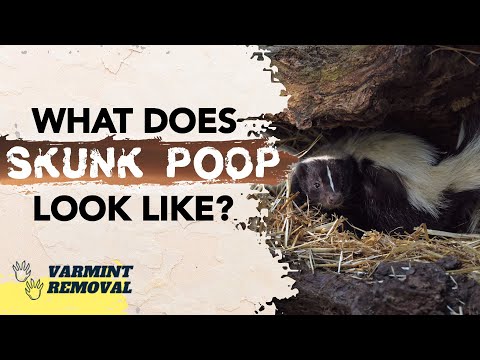
If you want to keep your home safe, it’s a good idea to know what skunk poop looks like and what risks it brings. Skunk droppings have some unique features and can carry dangers you might not expect.
You’ll also want to be able to tell skunk scat apart from other animals’ droppings and maybe spot skunk tracks nearby.
What Does Skunk Poop Look Like?
Skunk poop is usually black or really dark brown. Sometimes it might look gray or dark green if the skunk ate something weird.
The texture is soft but a little firm, and it’s often tapered at the ends. You’ll usually see it in small piles, about 2 to 4 inches long.
It kind of looks like cat or raccoon droppings, but usually, it’s a bit bigger. Most of the time, you’ll notice seeds or insect shells in it, since skunks don’t always digest everything.
The smell is strong, but nowhere near as bad as the spray. If you know what to look for, you can avoid touching it and clean it up safely.
How to Tell Skunk Droppings from Other Animal Droppings
Skunk droppings are bigger and softer than what you’ll find from most small animals. They’re darker and more moist than cat or raccoon poop.
Here’s a quick comparison:
| Animal | Size | Color | Texture | Smell |
|---|---|---|---|---|
| Skunk | 2-4 inches | Black/dark brown | Soft but firm | Strong, pungent |
| Cat | Smaller | Dark brown | Firmer | Less pungent |
| Raccoon | Similar size | Dark gray/black | Firmer | Mild smell |
You’ll usually spot skunk droppings in the open, or maybe near your garden beds. If there’s a strong smell in the air and you see droppings like this, there’s a good chance a skunk’s been around.
Diseases and Dangers Linked to Skunk Scat
Skunk poop can carry parasites and bacteria that are bad for you and your pets. It might have roundworms or bacteria like leptospirosis, which can give you flu-like symptoms.
Diseases such as listeriosis and tularemia can spread through soil or water that’s been in contact with skunk droppings. While the poop itself doesn’t have rabies, skunks can carry the virus, so if you see a skunk acting weird, just stay away.
Always wear gloves and a mask if you have to clean up skunk droppings. Wash your hands well afterwards, and keep your pets away to keep them safe.
Recognizing Skunk Tracks Near Droppings
When you spot skunk tracks, you can usually confirm if those droppings really came from a skunk. Skunks leave tracks with five toes and those long claws, measuring about 1.5 to 2.5 inches wide.
The prints look pretty oval, and you’ll notice claw marks—definitely not like cats. You might catch sight of these tracks near droppings, along paths, at the edges of gardens, or even close to trash bins.
If you look for prints, you’ll get a better idea of how often skunks visit your yard and where they like to hang out. That knowledge can help you make your place less appealing to skunks and stay on top of any health risks.
For more tips on identifying skunk poop, check out this guide on skunk poop identification.


