
If you’ve ever had the misfortune of getting sprayed by a skunk or caught that sharp, lingering smell in your house, you might wonder if Febreze could help. Febreze does a solid job freshening up spaces and handling lots of everyday odors, but it doesn’t really cut it for skunk smell.
Febreze can lower the odor on fabrics and in the air, but it doesn’t actually break down or neutralize the chemicals that make skunk spray so stubborn.

Skunk odor comes from oily compounds that cling to surfaces and skin, which makes the smell tough to get rid of. You need something that actually changes those oils on a chemical level to really banish the odor.
Still, you can use Febreze after cleaning to help your home smell a little fresher while you work on the real fix. If you’re curious about what actually works and how to use Febreze safely, there are some options and tips for a quicker cleanup.
Want more detail on Febreze’s role? Check out this guide on will Febreze remove skunk smell.
Does Febreze Really Work on Skunk Odor?

Skunk odor is intense and really sticks to fabrics and surfaces. Febreze uses a different approach—it targets odor molecules instead of just trying to cover them up.
How well Febreze works depends on what you’re treating and how quickly you use it after the skunk spray.
How Febreze Works Against Strong Odors
Febreze relies on cyclodextrin, a molecule that traps smelly particles by surrounding them. This keeps the smell from spreading in the air.
Unlike regular air fresheners, Febreze tries to neutralize odors by binding to those molecules. It works better on fresh smells and doesn’t do as much for odors that have soaked deep into fabrics or porous surfaces.
You spray it on the spot, and it starts breaking down the compounds causing the stink. If the smell has gone deep, though, Febreze can’t always reach it.
Effectiveness on Skunk Spray Smell in Fabrics and Air
Skunk spray has chemicals that cling hard to fabric fibers and surfaces. Febreze can help reduce the strength of the skunk smell, especially if you act quickly.
On hard floors or furniture, Febreze works better, but it’s less effective when the odor has soaked into thick fabrics. For fabrics, spray Febreze, let it sit, then wash the item for the best shot at removing the smell.
If the odor is strong or old, you might need to spray several times. In the air, Febreze can neutralize some odor molecules, but opening windows and cleaning up help a lot too.
Comparing Febreze to Other Air Fresheners
Most air fresheners just cover up smells with heavy scents. Febreze stands out by using cyclodextrins to trap and neutralize odor molecules, so it goes after the source.
But let’s be real—Febreze isn’t a miracle cure for skunk spray. Other products, like hydrogen peroxide mixed with baking soda or enzyme cleaners, break down skunk chemicals more deeply.
A lot of people get the best results by combining Febreze with these stronger treatments when they’re dealing with stubborn skunk smells.
Best Ways to Remove Skunk Smell
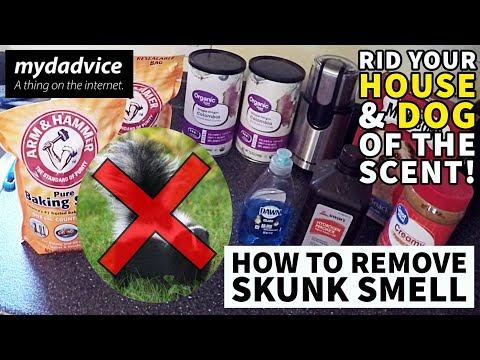
Skunk odor hangs around because the chemicals in it are just that strong. Getting rid of it means acting fast and picking the right products.
Some remedies work better for pets, while others help with your house or clothes. Knowing what to use and how to use it makes a real difference.
Why Skunk Odor Is So Difficult to Eliminate
Skunk spray contains thiols, which have a powerful sulfur smell. These thiols stick tight to skin, fur, and fabrics, making them tough to wash away.
Once the spray dries, the scent can last for days or even weeks if you don’t treat it. Air fresheners or sprays alone won’t do the trick, since the smell is basically locked in.
You need something that can neutralize or break down the thiols to really remove the odor.
Proven Home and Commercial Solutions
One of the best home fixes is a mix of hydrogen peroxide, baking soda, and liquid dish soap. This combo changes the thiols into odorless compounds and works especially well on pets and fabrics.
Always use fresh hydrogen peroxide for the best results. Commercial sprays like Febreze can help on fabrics and furniture by neutralizing some of the smell, but they work best after you’ve tackled the main odor.
For your home, boiling vinegar or leaving out bowls of vinegar can help with ventilation. Just keep in mind, sprays alone probably won’t get rid of heavy skunk odors from badly affected spots.
Acting quickly and airing things out really speeds up the process.
Removing Skunk Smell from Dogs and Surfaces
If your dog gets sprayed, you’ll want to act fast. Rinse off as much of the spray as you can with water right away.
Next, grab a hydrogen peroxide-based mixture and wash your dog thoroughly, but be careful around their eyes and mouth. This stuff actually breaks down the smelly thiols, so it does more than just hide the odor.
For clothes or surfaces, toss fabrics in the wash with laundry detergent and some baking soda. Use hot water if you can. Skip the dryer—air drying works better since heat can make the smell stick around.
Need to air out a room? Just crack open some windows and get those fans going. It helps move the stink out a lot faster.
If you’re after something a little gentler for your pup, you can try mixing apple cider vinegar with water. It works, but honestly, it takes longer.
Don’t bother with tomato juice; it just covers up the smell for a bit, and that’s about it.
Want more tips for getting rid of skunk odor? Check out this guide on removing skunk odor.


