
You’ve probably heard that seahorses mate for life. That sounds sweet, doesn’t it? But honestly, the reality’s a bit more complicated.
Some seahorse species stick with one partner for a long time, while others don’t hesitate to switch things up between breeding cycles. It really depends on the species and what’s going on around them.
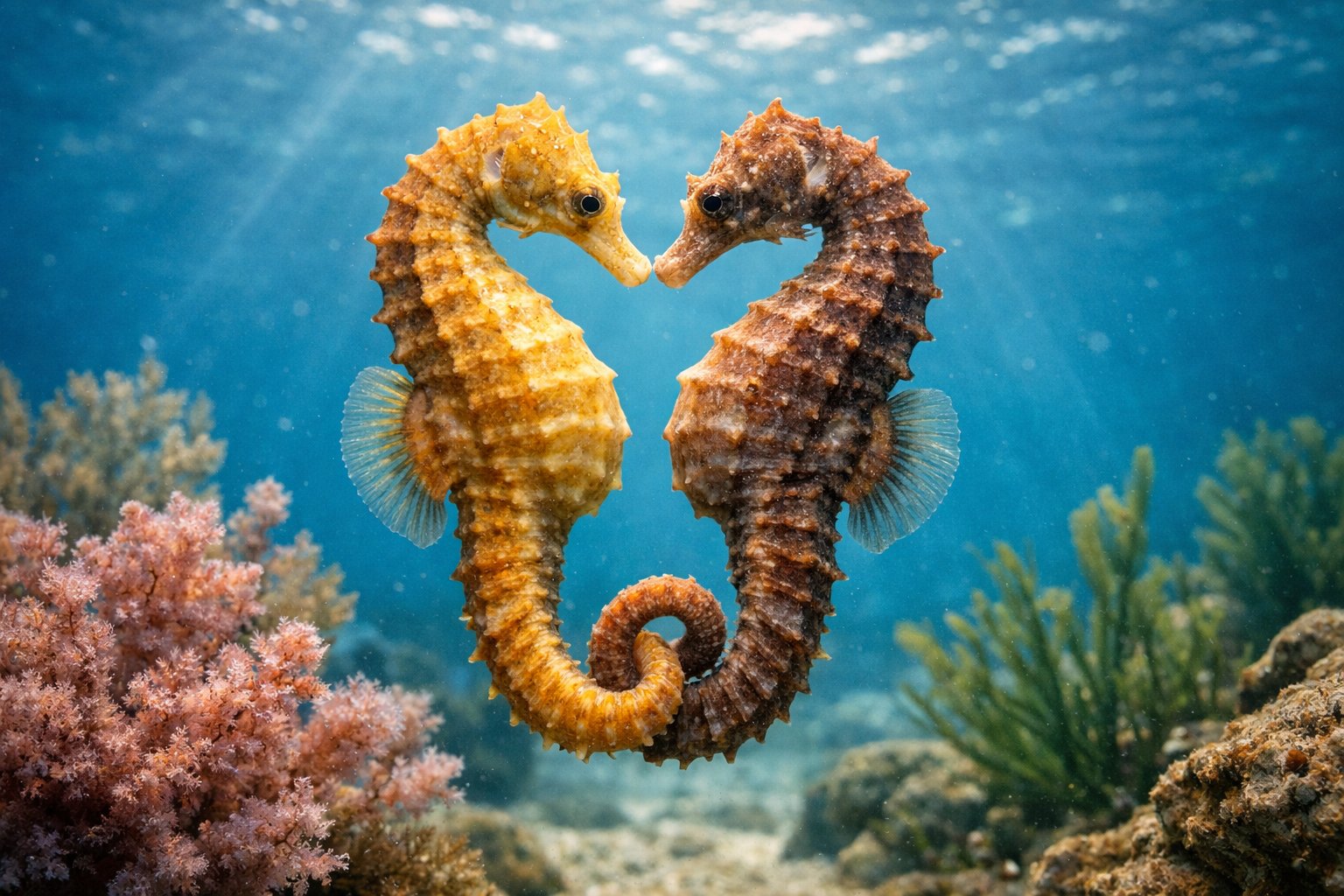
Let’s look at how their wild courtship rituals, daily greeting dances, and that whole thing where the male gets pregnant all play into these bonds.
You’ll see when seahorses stay loyal, why they sometimes don’t, and what scientists are still scratching their heads about.
Do Seahorses Really Mate for Life?

Seahorses often pick a partner and stick with them for a while. The males carry the eggs, which is pretty unusual in the animal kingdom.
Whether they stay together across seasons depends on the species, how strong their bond is, and what’s happening in their habitat.
Pair Bonding and Lifelong Partnerships
Many seahorse species form obvious pair bonds during the breeding season. You’ll notice partners doing their daily greeting dances, changing colors together, and hanging out close by to sync up for mating.
These little rituals help them time the egg transfer so the male can get the eggs into his brood pouch.
A bond might last just one season or stretch across a few years. It really varies by species and what’s going on in their environment.
Some pairs meet up every day and mate over and over, which makes things easier since they’re already in sync.
But let’s be real—“lifelong” in the wild rarely means forever. If one partner disappears or the habitat changes, the bond usually breaks.
Species Variations in Mating Habits
Different Hippocampus species do things their own way. Lined seahorses and a few others usually stick with one mate for the season.
Other species don’t mind swapping partners between broods or if they get separated.
Marine biologists and groups like Project Seahorse have seen some species keep the same partner year after year, while others don’t bother.
It often comes down to which species you’re looking at, how many seahorses are around, and whether mates are easy to find.
Environmental Impacts on Pair Bonds
Habitat quality really shapes how stable seahorse pairs are. When seagrass beds or reefs fall apart, seahorses scatter and bonds tend to break.
Pollution, fishing, and the aquarium trade make it harder for seahorses to find or keep partners. Sometimes they have to find someone new or skip breeding altogether.
If a mate dies or gets taken away, the one left usually finds a new partner fast so they can keep reproducing.
If you’re watching seahorses, you’ll notice that healthy habitats support stronger, longer pairings. Messed-up environments? Not so much—short-term flings are more common there.
Unique Seahorse Mating Behavior
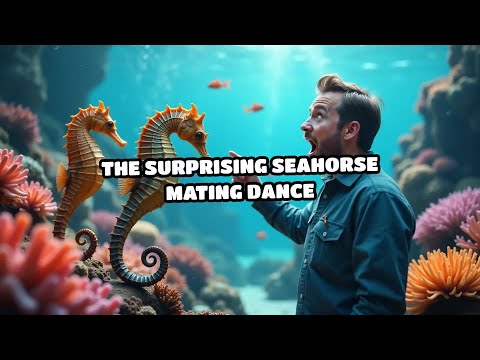
Seahorse pairs bond tightly, dance together every morning, and use a pretty wild method to transfer eggs—the female puts them right into the male’s pouch.
Here’s what stands out: how they greet each other, how males handle the pregnancy, how the ovipositor works, and honestly, how human activity gets in the way.
Daily Greetings and Courtship Dances
Paired seahorses usually start their day with a dance. You’ll see them rising and falling, changing colors, and wrapping their tails around the same bit of coral or seagrass.
These moves keep the bond strong and help them stay on the same page for mating.
The dance might go on for a few minutes or stretch to half an hour. In some species, this morning ritual keeps happening all season, even if they get separated by a wave or a hungry fish.
Researchers like those at Project Seahorse have watched these daily greetings in the wild. They really help pairs stay in sync for egg transfer and make switching partners less likely.
Male Pregnancy and the Brood Pouch
The male seahorse takes over when it comes to carrying babies. He holds the embryos in a pouch on his belly.
After the female transfers the eggs, he fertilizes them and manages things like oxygen, salt, and nutrients for the growing young.
Pregnancy time changes with species and water temperature—sometimes it’s about 10 days, sometimes a few weeks.
When it’s time, the male gives birth to anywhere from a handful to thousands of tiny seahorses, depending on the species.
It’s a total flip on the usual parenting roles and makes seahorse reproduction one of a kind.
Egg Transfer and the Role of the Ovipositor
The female uses a slim, tube-like ovipositor to place her eggs right into the male’s pouch.
Picture this: she lines up her ovipositor with the pouch opening, both partners holding steady, and then—quick as can be—the eggs go in.
They usually do this after their dance. The ovipositor keeps eggs from drifting away in the current and helps make sure fertilization happens inside the pouch.
Once the eggs are inside, they stick to the pouch lining and the male protects and nourishes them until they’re ready to hatch.
Conservation and Human Influences
People have a big impact on seahorse mating and their habitats. When fishing crews use nonselective methods like bottom trawling, they wreck seagrass and coral beds—these are the places where seahorses actually live and find their mates.
The demand for traditional medicine and souvenirs keeps putting pressure on wild seahorse populations. It’s honestly troubling how fast numbers can drop when collectors don’t think about sustainability.
You can make a difference. Pick sustainable seafood when you shop, and back marine protected areas if you get the chance.
If you ever spot a seahorse, let conservation groups like Project Seahorse know. When we protect habitats and cut back on destructive fishing, we help seahorses keep up their fascinating mating rituals.


