
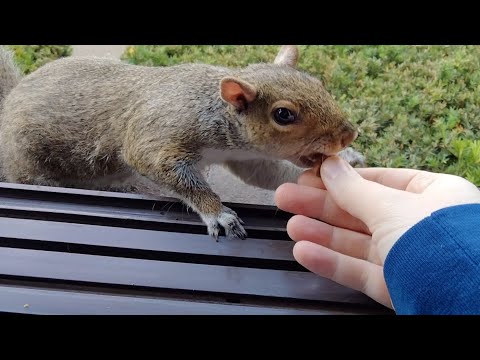
So, you might love the idea of a tiny squirrel grabbing a snack right from your hand. Honestly, it sounds adorable, but getting that close brings real risks for you and the animal.
Hand-feeding opens you up to bites, scratches, and germs. It also makes squirrels lose their healthy fear of people, which can cause problems down the road.

Curious about when feeding squirrels by hand gets risky? Or maybe you want safer ways to enjoy wildlife up close? Let’s break down what you can do to protect yourself and the squirrels—while still having a little fun watching them.
Is It Safe to Feed Squirrels by Hand?

Hand-feeding squirrels might seem fun, but it brings some real risks. You need to think about bites, scratches, and infections, plus how feeding changes their behavior.
Risks of Squirrel Bites and Scratches
Squirrels have sharp teeth and claws. They can cut your skin fast.
If a squirrel gets startled or grabs at food too quickly, it might nip or scratch your hand. Even a tiny wound can get infected or, in some cases, need stitches.
If you get bitten and the skin breaks, wash the wound with soap and water for several minutes. After that, see a doctor. Sometimes you’ll need a tetanus shot or antibiotics, depending on the injury.
Kids and people with weaker immune systems face higher risks from bites or scratches.
To lower your risk, keep food on a flat palm and avoid sudden movements. Never let squirrels climb onto your face or bare arms.
Try using a feeder or set out a small platform instead of letting them take food right from your hand.
Diseases Transmitted from Squirrels
Squirrels can carry bacteria, viruses, and fungi. These germs spread through bites, scratches, saliva, or even their droppings.
Some reported illnesses linked to squirrels include salmonellosis and leptospirosis. These can cause fever, diarrhea, or skin infections.
You can lower your risk by not touching your face when handling food. Always wash your hands with soap for at least 20 seconds afterward.
If you don’t have soap, use hand sanitizer. If a squirrel bites you, tell your doctor and describe what happened.
Skip feeding if you see a sick or strangely friendly squirrel. Sick animals can carry more germs.
Instead, use a feeder that keeps some distance between you and the squirrels.
Behavioral Changes in Squirrels Due to Hand Feeding
Hand-feeding teaches squirrels to expect food from people. Over time, they lose their fear of humans and might start approaching strangers for snacks.
This makes aggressive behavior more likely when they don’t get what they want.
Squirrels that get used to handouts might stop foraging on their own. That hurts their health and survival skills.
Young squirrels watch and learn from adults, so this behavior can spread.
To protect wildlife, try limiting or stopping hand-feeding. Offer food in fixed feeders or plant native trees that provide nuts and seeds.
That way, squirrels keep their natural foraging habits and you avoid unwanted close encounters.
Safer Ways to Interact with Squirrels
You can enjoy watching squirrels without feeding them by hand. Tools, distance, and safe foods help keep everyone safe.
Alternatives to Hand Feeding
Skip hand-feeding if you want to avoid bites, scratches, and the risk of disease. Put food on a flat feeder or a low platform instead of your palm.
Use a squirrel feeder that holds whole nuts or seed mixes. This keeps food off your hands and lets squirrels eat in peace.
Stick with safe foods: unsalted hazelnuts, unshelled peanuts (still in the shell), and black oil sunflower seeds. Don’t give them bread, candy, or any processed snacks.
Offer just a little at a time to prevent crowding or fighting. If a squirrel gets too bold, back away and stop feeding for a few days to encourage better behavior.
Wear gloves when filling feeders and wash your hands after. Place feeders away from busy areas so squirrels stay wild and a bit wary.
Creating a Squirrel-Friendly Environment
Plant trees and shrubs that offer natural food and shelter. Oaks, walnuts, and fruit trees give nuts and cover.
Add native berry bushes and leave fallen nuts when you can. This helps squirrels forage naturally.
Set up a few feeders spaced apart to cut down on fighting. Pick sturdy, chew-proof feeders and put them near trees so squirrels can escape if startled.
Keep food dry and clean because moldy food can make squirrels sick.
Set out a shallow dish of water and clean it often. Try to avoid using rodent poisons or pesticides in your yard.
These steps help create a real squirrel-friendly space and support healthy wild behavior.
Supporting Squirrels Responsibly
If you spot an injured or orphaned squirrel, reach out to a licensed wildlife rehabilitator or your local wildlife rehab center right away.
Don’t try to hand-raise baby squirrels on your own unless you actually know what you’re doing—they really need special formula and warmth to make it.
You can support local wildlife by donating to rehab groups or jumping in as a volunteer at habitat projects in your community.
If you’re hoping to attract squirrels, stick to local park rules, and skip feeding them in public areas where it’s not allowed.
When you notice sick or aggressive animals, call animal control so trained folks can handle the situation.
Try using feeders at home, plant some native food sources, and work with rehab pros if you need help.
That way, you’ll keep both yourself and the squirrels safe while still getting to enjoy a bit of wildlife nearby.


