
You’ll see squirrels just about everywhere in Florida—from bustling city parks to quiet pine forests, and even tucked away in some island groves.
Absolutely—Florida’s got several squirrel species. You’ll find the usual tree squirrels, a tiny nocturnal glider, plus a few local subspecies and even some newcomers.

As you scroll through this post, you’ll find out which squirrels call Florida home, how to tell them apart, and a bit about why some seem to love city life while others stick to wild, swampy spots.
You’ll get some handy ID tips, quick notes about where they hang out, and maybe even a few fun facts about their quirks. It should help you spot them with a little more confidence.
Florida’s Squirrel Species
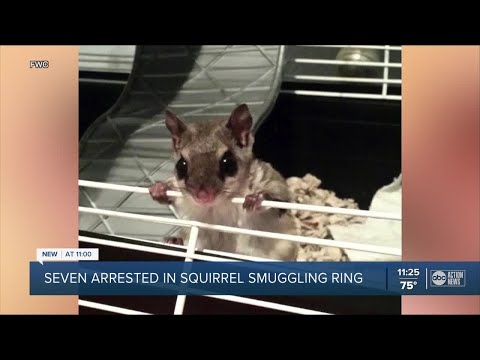
Florida’s home to a handful of squirrel types. You’ll see some in your backyard or local park, while others keep to certain places like pine flatwoods or mangroves.
Some thrive in the city, but a few stick to wilder corners.
Eastern Gray Squirrel
You can spot the eastern gray squirrel (Sciurus carolinensis) almost anywhere in Florida, especially around oaks and hickories.
They have grayish-brown fur, pale bellies, and those classic bushy tails with a silvery shimmer. Adults measure about 17–20 inches long, tail included.
They live both in trees and down on the ground. You’ll catch them snacking on acorns, seeds, nuts, berries, or even nibbling on bark.
Watch for them burying nuts—they actually remember a surprising number of hiding spots. They breed up to twice a year, usually raising one to four babies at a time.
You can read more about them on the Florida Fish and Wildlife page about squirrels in Florida.
Fox Squirrel Varieties
Fox squirrels (Sciurus niger) are a bit of a mixed bag in Florida. The state has several kinds, including the big Florida fox squirrel and local types like the Big Cypress fox squirrel and Sherman’s fox squirrel (sometimes called Sciurus niger avicennia).
Their colors? All over the map—from orange-brown to almost black.
Fox squirrels prefer open pine and scrubby places. You won’t see them as much in crowded neighborhoods.
They’re bigger than gray squirrels and usually munch on seeds, pine cones, and acorns. Some subspecies have pretty limited ranges and face trouble from habitat loss, so you’ll mostly spot them in conservation lands or big tracts of native habitat.
Southern Flying Squirrel
The southern flying squirrel (Glaucomys volans) is tiny, nocturnal, and honestly, you probably won’t see one during the day.
It’s got a skin flap between its legs that lets it glide between trees. The fur’s soft, gray-brown on top, and pale underneath.
They stick to older forests where tree cavities are easy to find. Their diet includes nuts, seeds, insects, and sometimes bird eggs.
Flying squirrels breed once or twice a year and nest in tree holes or nest boxes. If you want to attract them, try leaving native nut trees and maybe put up a nest box.
Other Squirrels and Chipmunks
Florida’s got a few less common squirrels and some introduced species too. The Mexican gray squirrel and Mexican red-bellied squirrel (Sciurus aureogaster) have shown up in some southern cities.
These non-natives hang around palms and gardens.
Chipmunks are rare here. The eastern chipmunk (Tamias striatus) barely makes it into the far north of the state, and sometimes not at all.
In coastal mangroves and some unique habitats, you might find local squirrel populations that have adapted to salt-tolerant trees. For a bigger look at Florida’s squirrel scene, check out this guide to the types of squirrels in Florida.
Habitats, Behaviors, and Unique Adaptations

You’ll find Florida’s squirrels in all sorts of places—from city parks to longleaf pine flatwoods.
They nest in tree holes or build leafy nests, eat nuts and seeds, and have picked up some clever habits for living near people and in wild forests.
Habitats and Nesting
In suburbs and cities, eastern gray squirrels often use tree cavities and build leaf nests (dreys) in oaks and hickories.
They pick high, sheltered branches and line their nests with leaves and moss.
In older pine flatwoods and big forests, fox squirrels and Sherman’s fox squirrels like large pines. They’ll use big tree cavities or dig ground dens when they can.
Flying squirrels stick to deep woods with plenty of hiding places because they’re nocturnal and need safe spots to sleep during the day.
You can spot their nests by looking for loose bark, leafy clumps high up, or gnawed holes in tree trunks.
Diet and Foraging Habits
Florida squirrels eat acorns, hickory nuts, pine seeds, and fruit. Eastern gray and fox squirrels scatter their nut stashes all over (that’s called scatter-hoarding).
This helps them get through lean times, and sometimes those forgotten nuts sprout into new trees.
In pine flatwoods, squirrels rely a lot on pine seeds and any nuts they can find. Flying squirrels grab seeds, insects, and bird eggs at night.
You might see squirrels digging little holes to bury nuts; they’ll cover them with leaves or dirt to keep them hidden from other critters.
Behavior and Social Patterns
You’ll notice that squirrels usually forage alone. When they feel threatened, they send out clear signals—tail flicks are the classic warning to other squirrels nearby.
Males and females come together during breeding season. The rest of the time, they stick to defending their own small territories, often around favorite trees or food stashes.
Tree squirrels climb and jump with impressive agility. Flying squirrels, on the other hand, use a patagium to glide from tree to tree. That nifty trick helps them avoid danger on the ground.
Sometimes, squirrel families share nests in the winter to stay warm. As the younger ones grow up, they head out to carve out their own space.


