
Training a reactive beagle can be a rewarding experience that helps you build a strong bond with your furry friend. To effectively train a reactive beagle, focus on positive reinforcement techniques and gradual exposure to their triggers. Understanding your dog’s specific health issues and behavior patterns is key to creating a successful training plan.

Reactive behaviors in dogs often stem from fear or anxiety, and this is common in beagles. Being proactive about addressing their reactions not only makes walks more enjoyable but also contributes to their overall well-being. Consistency is important, so patience and practice go a long way in achieving lasting results.
As you embark on this training journey, remember that every beagle is unique. By tailoring your approach to fit your beagle’s needs and triggers, you can help them become a calmer and more confident companion. With the right techniques, your beagle can learn to respond better to their environment and enjoy a happier, healthier life.
Understanding Your Reactive Beagle

Every beagle has unique triggers that can cause reactive behavior. Recognizing what these triggers are can help you manage your beagle better. Additionally, health issues may play a significant role in how your beagle reacts to different situations.
The Importance of Knowing the Triggers
Understanding your beagle’s triggers is crucial for effective training. Common triggers include loud noises, unfamiliar dogs, or even certain people. When you notice your dog reacting, try to identify what caused it.
Keep a record of these triggers. It can help you see patterns in their behavior. If your beagle gets anxious during walks, consider avoiding busy areas until they feel more comfortable.
Using positive reinforcement can help your beagle cope with these triggers. Reward calm behavior and slowly expose them to their triggers in a controlled way. This will build their confidence and reduce anxiety over time.
Health Issues and Reactivity
Sometimes, health issues can contribute to a beagle’s reactivity. Pain or discomfort can lead to irritability and anxiety. If your dog shows sudden changes in behavior, schedule a vet visit.
Conditions like allergies or arthritis can affect how your beagle responds to the world. Your vet can conduct tests to rule out any health problems. Treating these issues may reduce reactivity significantly.
Be observant of your dog’s body language. Signs of distress include panting, whining, or avoiding eye contact. When you notice these signs, it may indicate that your beagle is not feeling well. Addressing health concerns can help improve their overall behavior.
Fundamentals of Training a Reactive Beagle
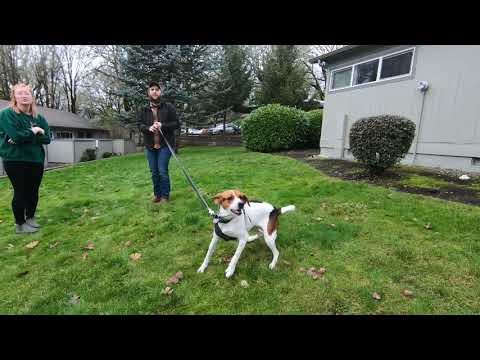
Training a reactive Beagle involves patience and understanding. Focusing on basic commands, socialization, and creating a positive environment is key to helping your pup feel secure and respond appropriately.
Establishing Basic Commands
Start by teaching your Beagle essential commands like “sit,” “stay,” and “come.” Use positive reinforcement methods, such as treats or praise, to encourage good behavior. This helps your Beagle learn what you expect from them.
Create short training sessions lasting around 5-10 minutes. Be consistent and use clear, simple commands. For example, when your Beagle sits, reward them immediately. This builds a strong foundation for more complex training later on.
Repetition is crucial. Practice commands daily to help your Beagle strengthen their understanding. As they improve, gradually introduce distractions to ensure they can focus even in challenging situations.
Importance of Socialization
Socialization is vital for a reactive Beagle. Expose your dog to various people, environments, and other animals to help them build confidence. Start with calm situations, gradually increasing complexity.
Consider arranging playdates with well-behaved dogs. This helps your Beagle learn appropriate responses and reduces anxiety around other pets. Take them on walks in different areas to experience new sights, sounds, and smells.
Always supervise your Beagle during socialization. If they show signs of stress or aggression, remove them from the situation immediately. Over time, with patience and positive experiences, your Beagle will likely become more comfortable and less reactive.
Creating a Positive Training Environment
Your training environment greatly impacts your Beagle’s progress. Choose a quiet area free from distractions, especially during initial training sessions. This allows your Beagle to focus better on commands.
Use a calm and friendly tone when giving commands. Your attitude can influence your dog’s behavior. If they feel secure and loved, they are more likely to respond positively.
Incorporate fun elements into training, like games or scavenger hunts. This keeps your Beagle engaged and makes learning enjoyable. Always end sessions on a positive note, ensuring your pup associates training with good feelings. This positive reinforcement builds a trusting bond between you and your Beagle.
Advanced Training Techniques

When training a reactive Beagle, using advanced techniques can make a significant difference. Specific methods such as crate training for anxiety, desensitization exercises, and engaging a professional dog trainer can help your Beagle become more confident and obedient.
Crate Training for Anxiety Management
Crate training is a helpful tool for managing your Beagle’s anxiety. It creates a safe space where they can retreat when feeling overwhelmed. Start by introducing the crate gradually. Place it in a quiet area with soft bedding and toys.
Encourage your Beagle to explore the crate by tossing treats inside. Never force them in, as this can create negative associations. Use the crate for short periods and gradually extend the time. This will help your Beagle learn to relax in their crate while reducing anxiety during stressful situations.
Desensitization Exercises
Desensitization exercises are essential for helping your Beagle deal with triggers that make them reactive. Begin by identifying what causes their anxiety or excitement, such as loud noises or other dogs. Start with mild versions of the trigger, allowing your Beagle to calmly observe.
When they remain calm, reward them with treats and praise. Gradually increase the intensity of the trigger while continuing to reward calm behavior. This step-by-step process teaches your Beagle that they can handle the situation. Be patient, as desensitization can take time, but it helps build their confidence.
Professional Obedience Training
Engaging a professional dog trainer can be incredibly beneficial for training a reactive Beagle. These trainers are experienced in handling behavioral issues and can provide tailored techniques to suit your dog’s needs.
Look for trainers who specialize in positive reinforcement methods. They can help you work on commands and socialization in a controlled environment. Group classes can also expose your Beagle to other dogs, allowing for supervised socialization.
Investing in professional training can lead to lasting improvements in your Beagle’s behavior and overall well-being.
Day-to-Day Management and Care

Caring for your reactive Beagle involves keeping their mind active, using reinforcement techniques during training, and preventing reactivity in daily situations. Here’s how to achieve these goals effectively.
Providing Mental Stimulation
Beagles are intelligent dogs that thrive on mental challenges. To keep your Beagle engaged, consider activities like puzzle toys, scent games, and obedience exercises. These activities can help reduce boredom, which may lead to reactive behavior.
You can create a simple scent trail with treats hidden around your home or yard. Let your Beagle use their nose to find the surprise. You could also teach them new tricks throughout the day. Keep sessions short, around 5-10 minutes each, and make it fun!
Consistent Reinforcement Techniques
Using consistent reinforcement techniques is vital for training your Beagle. Positive reinforcement involves rewarding desired behaviors with food rewards, praise, or play. Always have treats handy during training sessions.
When your Beagle responds well to a command, immediately give them a treat or affectionate praise. This will help them associate following commands with positive outcomes. Regularly practice commands like “sit,” “stay,” and “come” in various situations to reinforce their training.
Ensure that everyone in your household uses the same commands and rewards to prevent confusion.
Preventing Reactivity in Everyday Situations
To prevent reactivity, you must manage your Beagle’s environment. Start with controlled walks in less crowded areas. This allows your dog to acclimate to various stimuli. Use a well-fitted harness and leash for better control.
If you notice your Beagle becoming reactive, redirect their attention with a treat or toy before they react. Training them to focus on you can help. Practice this technique in different situations to build their confidence.
Establish a routine that includes regular walks, playtime, and quiet moments. A predictable schedule can help reduce anxiety in your Beagle and keep them calm.
By focusing on these aspects of day-to-day management, you’ll create a happier, more balanced life for both you and your Beagle.


