
If you know how to spot a bee in distress, you can actually make a difference for these crucial pollinators. You’ll usually notice a distressed bee moving slowly or acting a bit off, maybe twitching or curling up, and sometimes struggling to fly or keep active. Watch how the bee moves—sometimes that’s all you need to figure out if it’s in trouble.
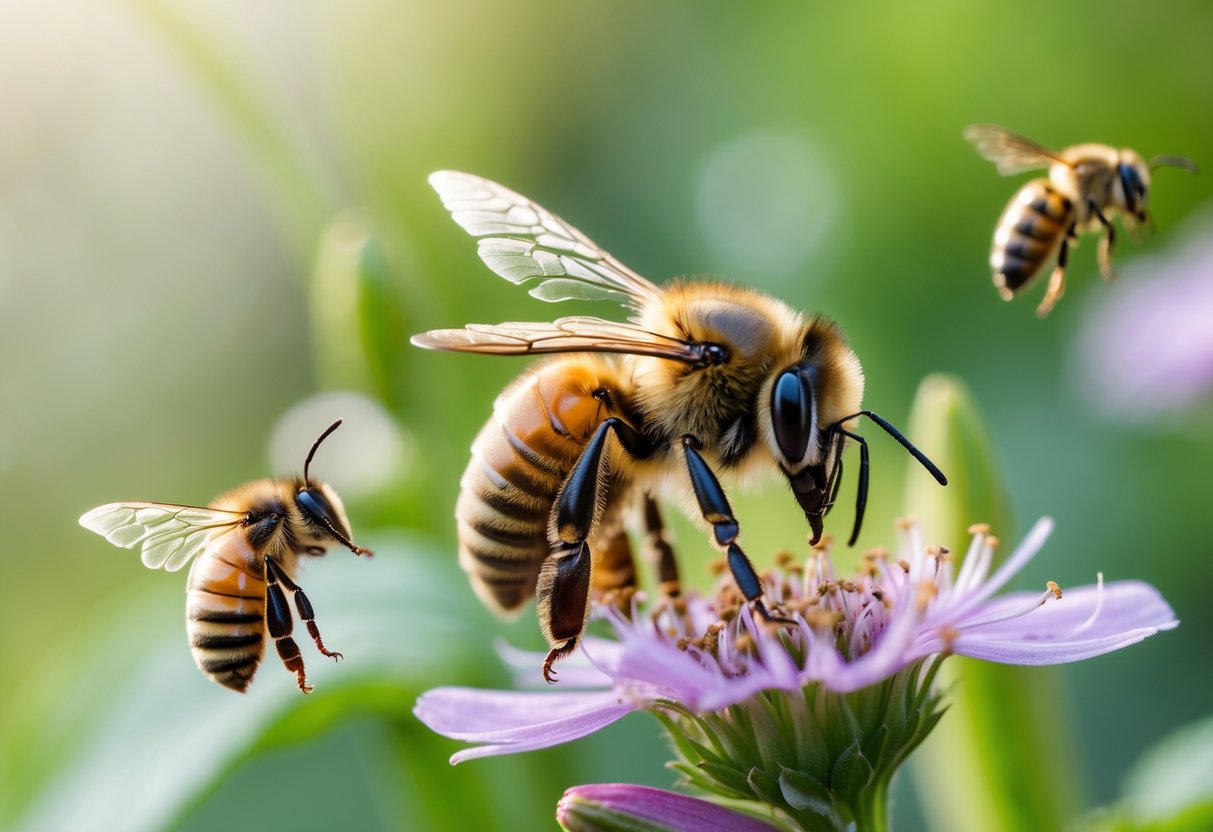
You might see a sluggish bee crawling around or notice one with tattered wings or a darker body. Paying attention to these details can help you decide if the bee just needs a break or if it’s actually in trouble.
It’s surprising how much of a difference a little observation can make for bees in your area.
Recognizing Signs of Bee Distress

You can spot a struggling bee if you pay close attention to how it acts and looks. Certain behaviors and physical details tell you if the bee feels tired, sick, or is near the end.
When you know what to look for, you can help keep local bees healthy.
Key Differences Between Tired and Dying Bees
Tired bees might look weak but still try to crawl or move. Sometimes they rest in the sun or on flowers, moving slowly or a little shakily.
You might see them struggle, but they’ll usually react if you touch them.
Dying bees, though, pretty much stop moving. They may cling tightly to a flower or the ground, and their wings often look ragged or torn.
Their bodies can turn darker, and their movements get stiff or jerky. If you notice a bee with its tongue hanging out, that can be a sign of poisoning.
Quick comparison:
| Sign | Tired Bee | Dying Bee |
|---|---|---|
| Movement | Slow but responsive | Minimal or no movement, unresponsive |
| Wing condition | Usually normal | Ragged or damaged |
| Body color | Normal or slightly dull | Darker, dull appearance |
| Reaction to touch | May respond | Often unresponsive |
Behavioral Indicators of Distress
Watch how bees fly or move around. Healthy bees usually fly straight and with purpose, heading back to the hive quickly.
If a bee flies in circles, twitches, or can’t control its movement, that’s a red flag.
An exhausted bee might not get off the ground or stay airborne for long. Sometimes you’ll see a curled abdomen or trembling legs.
Bees sometimes release special pheromones when they’re stressed, which can make other bees act differently too.
If you try to gently touch or move a bee and it doesn’t react, it’s probably in real trouble.
Visual Clues in Physical Appearance
Take a close look at a bee’s body. Healthy bees look clean and shiny, and their wings are whole.
Bees in distress might have dull or dark bodies, or wings that look torn up.
You might even spot mites or other pests on a struggling bee. Cloudy eyes or legs that don’t work right are other warning signs.
These physical problems can really hurt the whole local bee community if nobody steps in.
Keeping an eye out for these clues gives you a chance to help your bees and keep the hive in good shape. If you want more details, check out this guide on recognizing bee distress signals.
Helping Bees in Trouble and Creating a Bee-Friendly Environment

You can help bees a lot by giving tired ones a safe spot to recover and making your outdoor areas more inviting for them.
If you pick the right plants and design your space with bees in mind, you’ll protect them from risks like pesticides and give them a better chance to thrive.
Safe Ways to Revive Tired Bees
When you find a slow or weak bee, it might just need some food or a rest. Try offering a tiny drop of sugar water (mix one part sugar with two parts water) on a spoon or leaf.
Skip the honey—it can spread diseases that bees can’t handle. Be gentle and don’t mess with the bee too much.
Put the bee somewhere warm and out of the wind while it recovers. If you know a beekeeper, maybe ask them for advice.
You can also give the bee water in a shallow dish with pebbles so it doesn’t drown.
Building a Supportive Bee Habitat
If you want to help bees stick around, give them safe food, water, and shelter. Avoid pesticides, since those chemicals can really mess up bee colonies.
You could build little bee homes or “bee hotels” for solitary bees. These bees like to nest in holes or crevices.
Leaving logs or bare patches of soil helps ground-nesting bees too. Make sure your garden has sunny spots and isn’t too windy—bees seem to love warmth and calm.
Choosing Bee-Friendly Flowers
If you want to keep bees happy, plant flowers that bloom at different times. That way, they’ll always have something to eat.
Coneflowers are a go-to for lots of bee species. I’d also suggest native wildflowers—local bees know them well since they’ve grown up together.
Go for flowers with open shapes. Bees need to get to the nectar without a struggle.
Skip those fancy hybrids that barely offer any pollen or nectar. When you plant flowers in clusters, bees won’t have to waste energy flying all over the place.
Try to spread out your bloom times from spring through fall. That helps keep bees well-fed throughout the year.
Want more tips? Check out this bee-friendly environment guide.


