
Ever spot a bee just sitting there, barely moving? You might wonder—tired or dying? Look at its wings and body: usually, a tired bee has wings that look fine and just moves slowly, while a dying bee’s wings look ragged, its body might be darker, and it won’t react much if you nudge it.
Understanding these signs can help you figure out if the bee just needs a break or if there’s nothing you can do.
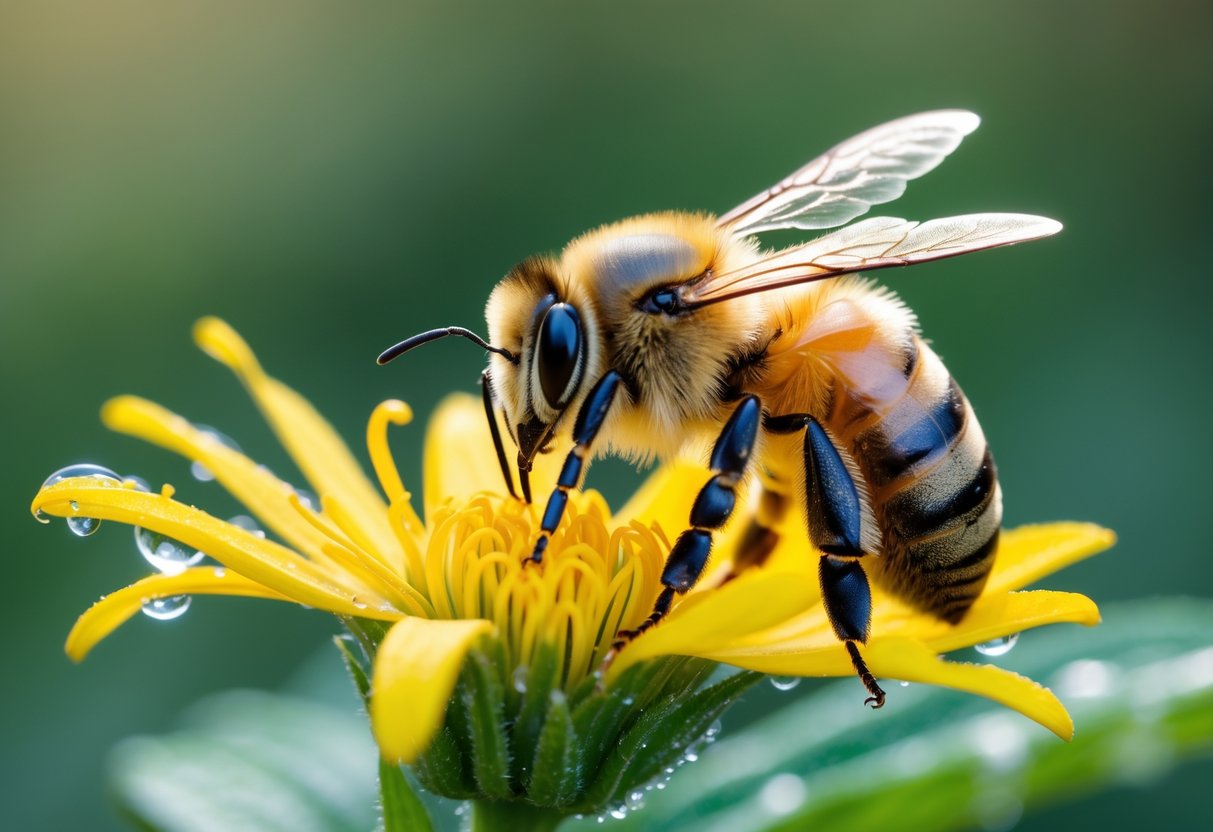
Sometimes, you can learn a lot just by watching how the bee acts and where it’s hanging out. Tired bees crawl or rest quietly, but dying bees might cling to flowers or just lie there, looking worn out.
If you want to know how to spot these signs and maybe help a tired bee bounce back, this guide’s for you.
How to Identify if a Bee Is Dying or Just Tired

You can usually tell if a bee’s dying or just tired by watching how it moves and checking its body. If you pay attention, you’ll know whether it needs help or just a moment to rest.
Here are some signs to look for.
Key Differences in Bee Behavior
Tired bees move slowly but still react if you touch them or gently nudge them. They might crawl or shuffle, but they don’t just freeze.
You’ll often find them resting in the shade or on a flower, maybe grabbing a quick break.
Dying bees act differently. Their movements are weak or all over the place, or sometimes they don’t move at all.
They might try to hang onto flowers but have trouble holding on. If you see one flailing around or twitching, it’s probably very close to the end.
A tired bee will usually try to move if you nudge it, but a dying bee just stays still.
Physical Signs of a Dying Bee
Take a closer look at the wings and body. Dying bees tend to have wings that look shredded or worn out.
Their bodies might seem darker or even a bit shriveled compared to healthy ones.
Sometimes, you’ll notice their tongue sticking out, which could mean they’ve been poisoned or are sick. Their legs and antennae might look limp, and they often just sit on the ground.
These are signs that the bee’s in real trouble and probably won’t bounce back. If you see this, it’s usually best to let nature do its thing or maybe call a local beekeeper.
Common Signs of a Tired Bee
Tired bees have wings that look whole and undamaged. Their bodies seem normal, but they just move slowly.
You might see them resting quietly or reaching into flowers for nectar.
If you want to help, you can give a tired bee a little sugar water—just a drop or two. That’s usually enough to perk it up.
After a short rest, the bee will often fly away once it regains its strength.
If you want more details about spotting tired versus dying bees, check out How to Tell If a Bee Is Dying or Tired.
What to Do When You Find a Struggling Bee

If you spot a bee that looks tired or weak, there are a few simple things you can do to help it recover. Even small actions—like offering food or making your garden bee-friendly—can really help.
Helping Tired Bees Safely
When you find a bee on the ground, try gently moving it to a sunny spot on a flower or leaf. The warmth helps it get moving again.
Don’t touch it with your bare hands—use a leaf or a piece of paper if you can.
Mix up a little sugar water (one part sugar, two parts water) and put a drop near the bee. Just be careful not to drown it.
Keep an eye on the bee. If it flies off, great! If it’s still weak or has damaged wings, it might not recover, but at least you gave it a shot.
Creating a Bee-Friendly Environment
Try planting bee-friendly flowers like lavender, sunflowers, and clover. These blooms give bees a natural food source right when they need it.
They’ll find plenty of nectar and pollen in these plants, which helps keep their energy up during long flights.
Let some parts of your garden stay a bit wild, and skip the pesticides if you can. Bees are always looking for safe spots to rest and feed.
You might want to set up a shallow water station too. Just add some stones so bees can land and drink without trouble.
When you give bees both food and safe places to rest, you’re making a real difference. They get the chance to recover and keep doing their important work.
If you want more tips, check out this guide on how to revive tired bees.


