
Squirrels steal seed, chew parts, and scare away the birds you actually want. But you can outsmart them with a few clever moves: put feeders where squirrels can’t jump, add baffles or weight-sensitive feeders, and choose seeds they don’t care for. These tricks usually keep most squirrels at bay, giving birds a chance to enjoy your feeders.

This post covers straightforward, affordable ways to protect your feeders. I’ll walk you through real steps for placement, barriers, and feeder types that actually cut down on squirrel visits.
Essential Strategies for Squirrel Proofing Bird Feeders
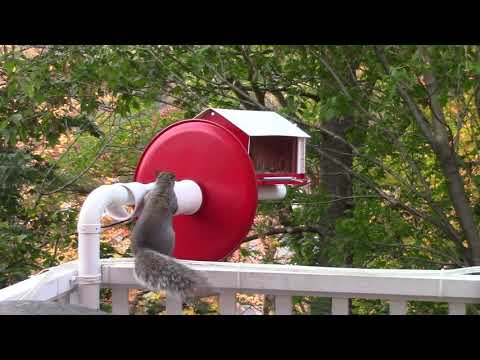
Just follow a few steps to keep your seed safe, reduce feeder damage, and keep birds coming back. Focus on feeder placement, the right baffle or feeder, and seed or deterrents that don’t bother birds.
Optimal Feeder Placement and the 5-7-9 Rule
Put your feeder where squirrels can’t reach it from trees, fences, or rooftops. Mount pole feeders at least 5 feet up.
Keep feeders at least 7 feet away from any launch spot like a tree trunk or railing. Make sure there’s no branch or structure within 9 feet above the feeder so squirrels can’t drop down.
If you hang a feeder, use a wire stretched between two posts—not a branch. In smaller yards, combine smart placement with other tricks—sometimes moving a feeder just a few feet makes a difference.
Red squirrels are sneakier and more agile, so give extra space and add barriers if you can.
Installing Effective Squirrel Baffles
Pick the right baffle for your setup: torpedo baffles work for poles, dome baffles for hanging feeders. Put a torpedo baffle below your feeder so it spins or slides when a squirrel climbs, blocking their grip.
Hang dome baffles above the feeder, making sure they’re at least 7–9 feet from anything a squirrel could use as a bridge. Go for smooth metal or powder-coated baffles—plastic ones just don’t hold up.
Position baffles so squirrels can’t reach around them from above or below. Try adding a PVC sleeve on the pole to stop them from clinging.
Check bolts and spacing at least once a year—loose parts or a gap can let a stubborn squirrel sneak past.
Choosing Squirrel-Proof and Caged Feeders
Go for feeders made from heavy-duty metal or thick polycarbonate that squirrels can’t chew through. Weight-activated feeders close up when something heavy lands, so small birds can eat, but squirrels get blocked.
Look for adjustable tension and sturdy metal mechanisms, not flimsy plastic. Caged feeders use a metal mesh that lets small birds in but keeps squirrels out.
Tube feeders with tiny port openings and metal caps help too. Skip wooden or cheap plastic feeders—they’re squirrel magnets.
If you want both small and bigger birds, pick a cage size that lets cardinals and jays eat, or set up a separate station for larger birds.
Seed Selection and Natural Squirrel Deterrents
Offer seeds squirrels don’t like, like safflower or white millet mixes. Safflower tastes bitter to most squirrels but cardinals and finches don’t mind it.
Avoid plain sunflower if squirrels are your main headache. Try capsaicin-treated seed—birds don’t notice the spice, but squirrels sure do.
You’ll need to reapply after rain. Scatter coffee grounds around the pole or put peppermint oil on cotton balls near the feeder for a little scent barrier.
Some people use predator urine, but it needs careful placement and frequent reapplication. No single deterrent works every time, so combine seed, placement, and baffles.
If you want more on placement and barriers, check out this 5-7-9 guide.
Top Squirrel-Proof Bird Feeders and Tools

You’ll want feeders and tools that block squirrels but let songbirds eat. Look for weight-triggered designs, sturdy baffles, and maybe a couple of DIY fixes using PVC or mesh.
Weight-Activated Feeders and Perches
Weight-activated feeders use springs or levers to close ports when something heavy lands. Adjustable tension lets small birds like chickadees eat while heavier squirrels trigger the closure.
Metal mechanisms hold up longer than plastic, and you’ll want to make sure the ports close completely. Weight-activated perches work on tube and hopper feeders.
Some feeders use a sliding cage or perch that drops under heavier weight. These work best with a baffle because squirrels will always try another route.
If red squirrels are around, set the tension tighter or use a cage with smaller openings. Put these on a smooth pole, at least 5 feet up and 7 feet from anything a squirrel could jump from.
Test the mechanism every month and clear out debris that might jam the springs.
Best Commercial Squirrel-Proof Models
Some models really do blend weight activation, chew-resistant materials, and cages. The Brome Squirrel Buster series (Standard and Plus) uses adjustable weight settings and tough polycarbonate to block squirrels but let birds through.
The Squirrel Buster Plus adds extra features for the most persistent squirrels. Droll Yankees and Yankee Flipper-style feeders have strong metal parts and spinning mechanisms that toss heavier animals off.
Caged bird feeders work for aggressive squirrels; they let small birds reach the seed but block bigger paws and beaks. Add a torpedo baffle on a pole or a dome baffle above a hanging feeder to stop climbers and jumpers.
For tube feeders, go with metal mesh and powder-coated parts—they’re much harder for squirrels to chew. Check product specs for adjustable weight settings, warranty info, and materials before you buy.
DIY Squirrel-Proof Feeder Solutions
You can try a basic DIY method by slipping a PVC pipe over a pole. This creates a smooth, tough surface that squirrels just can’t grip or chew through.
Go for schedule 40 PVC, and make sure it’s wide enough so squirrels can’t get their legs around it. If you want even more protection, toss a torpedo baffle underneath your feeder.
Want to build a cage feeder? Wrap welded wire mesh around a tube or suet feeder. Space the mesh so small birds can come and go, but squirrels get blocked.
If you love cardinals, you might want to add a cardinal ring or a bigger access spot so larger songbirds can still visit. That way, you don’t end up keeping out your favorite birds along with the squirrels.
Use stainless hardware to fasten every joint. Keep your feeder far from branches or railings—squirrels are sneaky and will leap from just about anywhere.
DIY setups need a little maintenance. Check them regularly, swap out any chewed parts, tighten loose fittings, and adjust the height if squirrels figure out a new way to jump on.


