
You don’t need a dog to hunt squirrels successfully. If you learn where squirrels hang out, pay attention to their habits, and move quietly and patiently through the woods, you can fill your game bag just fine. Get good at simple stuff like still hunting, stand hunting, and listening for squirrel sounds—you’ll probably get more shots than you’d expect without a dog.

Spotting feeding signs, picking solid locations, and timing your hunts right will keep you focused on the action instead of wandering aimlessly. I’ll run through practical tips and easy habits that make solo squirrel hunting both fun and effective.
Fundamentals of Squirrel Hunting Without Dogs

Let’s talk about how to find squirrels, pick the right gear, and follow laws and ethics that keep you safe and legal. These basics focus on solo techniques, smart gear choices, and the main rules you need to know for squirrel season.
Key Differences Between Hunting With and Without Dogs
When you hunt squirrels without dogs, you rely on your own eyes, ears, and patience instead of a dog’s nose and treeing skills. Still hunting and stand hunting become your main strategies.
Move slow, pause often, and keep your eyes on the crowns of trees and hedgerows. Watch for a flicker of fur or a tail. Listen for barks, chewing, or the snap of a twig—those sounds usually give away a squirrel’s spot.
Your tactics should shift with the terrain. In thick woods, sit near big mast trees like oaks or hickories and wait them out. If you’re in open edges, try stalking slowly with the sun at your back. Dogs tend to flush and tree squirrels fast, but without them, you’ll trade speed for patience and careful watching.
Shooting matters more when you’re solo. A .22 rifle or a shotgun with the right choke both work well. Practice hitting small targets and know your gun’s range so you only take clean, ethical shots.
Essential Gear for a Successful Squirrel Hunt
Pack light but smart. Bring a .22 rifle or a small shotgun, extra shells, a comfy seat or pad, a pruning saw or knife, gloves, and a small game bag. Toss in compact binoculars (8x or 10x), hearing protection, and a field guide or phone app for local critters.
Wear muted or camo clothes and add a bit of orange if the law says so. Go with a full choke only if you’re shooting really close—otherwise, a modified or improved cylinder gives you a better spread. Toss in a flashlight for finding squirrels at dusk and a GPS or paper map to mark where they drop.
Keep your pack light so you can sneak around quietly. Double-check your firearm, cleaning kit, and tags before you leave. Don’t forget a basic first-aid kit and water.
Legal and Ethical Considerations for Squirrel Hunting
Check the season dates, bag limits, and legal hunting methods in your state before you head out. Always carry your hunting license and any stamps you need.
Some spots have rules about caliber, magazine size, or blaze orange during certain times. Only take shots you know you can make cleanly. If there’s a risk of wounding a squirrel or shooting across a trail, just let it go.
Recover every animal you shoot. Use a safe backstop and stay aware of other hunters, houses, and roads nearby.
Respect private land and posted signs. Follow local rules for hunting near homes, roads, or water. If dogs are allowed in your area, remember that could change the rules or require extra permits.
Techniques and Strategies to Hunt Squirrels Solo
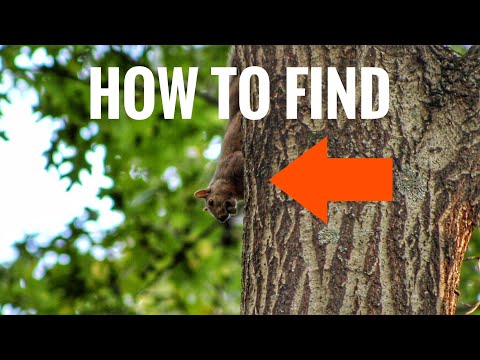
You’ll need to rely on quiet movement, good scouting, and patience more than fancy gear. Stick to tree lines with nut trees, move slow, and use calls or ambushes to bring squirrels into view.
Locating Productive Squirrel Habitat
Look for ridges, edges, and old hardwood stands where gray and fox squirrels love to feed. Red oaks, hickory, walnut, and oak flats with plenty of nuts are hotspots.
Walk ridgelines and creek bottoms; squirrels like areas that mix cover and food. Keep an eye out for chewed nutshells under trees, stripped bark, and dreys tucked in forks. Binoculars help you scan the canopy for movement and feeding.
Notice tracks and droppings along trails and fence lines. Mark good spots with GPS or flagging tape so you can return later without stirring things up too much.
Public wildlife areas and private woodlots often hold squirrels around nut trees. Focus on places with a mix of tree species and open shooting lanes. If you spot fresh feeding sign and noisy birds like jays, you’re probably in the right place.
Stalking and Still Hunting Tactics
Move slow—really slow. Stop every 10 or 20 steps to listen and look around. Squirrels usually freeze when they sense danger, so give them a minute to relax after you stop.
Use trees, brush, and shadows to hide your outline as you close the distance. If you see a squirrel, plan a slow, careful approach using trunks as cover. Keep your gun slung low until you’re ready.
Steady shooting counts, especially with .17 HMR or .22 rifles. Sit or kneel if you need to steady your aim on a trunk or branch.
Still hunting works best near food sources at dawn and late afternoon. Stay downwind if you can and wear camo that matches the brush. If you decide to climb a tree for a better angle, move slow and make sure you’re safe—nobody wants to drop their gear or break a branch.
Using Squirrel Calls and Ambush Methods
Try short, natural calls to mimic chip notes or squirrel chatter. Hand calls or small reed callers can get a curious squirrel to poke its head out. Don’t overdo it—too much calling just makes them suspicious.
Set up your ambush near nut trees or along the routes squirrels travel. Sit 10 to 30 yards from the trunk with a clear shot. Use a small blind, a low stool, or just lean against a tree for support.
If it’s legal, try a decoy on a visible branch. Mix calls with visual cover. After a quick call, stay still and watch the branches. If a squirrel comes out, let it get close before you move your gun.
Practice quick, ethical shots on small targets and know your range for each gun you use. That’s how you make every hunt count.
Best Time and Season to Hunt Squirrels
Squirrels get especially active at dawn and again in the late afternoon. If you head out within an hour or two after sunrise, or just before sunset, you’ll probably see the most movement.
During fall and early winter, squirrels scramble to gather acorns, hickory nuts, and walnuts. That frantic foraging really boosts your odds.
Late summer into early fall, you might notice them following pretty predictable patterns around mast trees. In spring, try focusing on nesting spots or watching for males as they defend their territory.
Always check your local season dates on wildlife management area pages. Bag limits vary, so make sure you’re up to speed.
Hunting pressure and weather can shift things day by day. I’d suggest paying attention to cooler mornings and when nuts start dropping—those are the times squirrels seem busiest.


