
Ever watch a squirrel crack a nut in just a few seconds and wonder, “How do they pull that off so fast?” Squirrels rely on their sharp, ever-growing teeth and quick paws to bite, peel, and split shells. They eat the meat inside and sometimes stash extras for later. This quick guide covers their nut-eating moves, which nuts work best for them, and what these foods actually do for their bodies.

If you watch a squirrel up close, you’ll notice real problem-solving at work—it’s not just luck. You might spot their bite-and-twist technique, see how they pick between harder and softer nuts, and get a sense of which nuts pack the most energy or are best saved for winter.
How Squirrels Eat Nuts: Behavior and Techniques
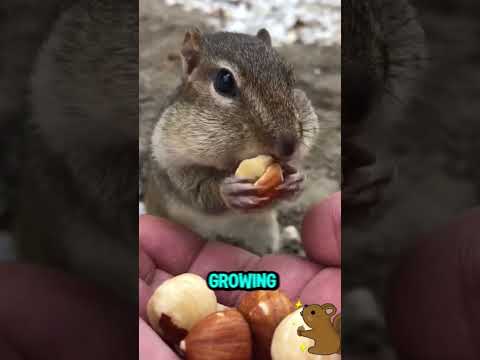
You can see how squirrels find, open, and store nuts, plus how they help spread tree seeds around. Here are the basics, the common trees, and some simple terms for spotting these behaviors.
Nut Foraging and Storage Habits
Squirrels actively search trees and the ground for food. Grey and red squirrels use both smell and vision to find acorns under oaks, beech nuts, and fallen walnuts near walnut trees.
In cities, they often raid bird feeders and gardens too.
Squirrels stash nuts in two main ways: scatter-hoarding and larder-hoarding. Scatter-hoarding means they bury lots of nuts in separate, shallow spots. Larder-hoarding means they hide a big pile in one place, usually inside a tree cavity.
Scatter-hoarding actually helps cut down on losses if another animal finds a cache.
Watch a squirrel dig with its front paws, tamp the dirt with its nose, and cover the spot again. They remember many cache locations using spatial memory and smell, but they miss some nuts.
Cracking and Consuming Different Nut Types
Squirrels use different tricks for different shells. For soft shells like hazelnuts, they bite through the seam and eat fast.
When they get a hard shell like a walnut or pecan, they use sharp incisors to chip a groove, then pry the shell open with their paws.
With acorns, squirrels might shell and eat them whole or just pop off the cap first. Pine cones get different treatment: squirrels strip the scales to grab the seeds instead of cracking a hard shell.
If a nut’s too tough, a squirrel might haul it to a safer spot or just bury it for later.
Watch their posture: squirrels usually sit up on their back legs and hold nuts with both front paws. This lets them gnaw precisely and stay alert for predators at the same time.
Natural Role of Squirrels in Nut Distribution
Forgotten caches actually help trees grow. When squirrels don’t dig up all the nuts they bury, some sprout into new seedlings around oaks, walnuts, and pines.
This makes squirrels pretty important for spreading seeds in forests and city parks.
Grey squirrels often carry nuts farther from the parent tree than reds do, which changes where new trees pop up. By moving nuts in their mouths or burying them all over, they create mixed-age patches of trees over time.
If you want to help nature along, try leaving some fallen nuts in wooded spots. Squirrels will handle a lot of the planting for you.
Best Nuts for Squirrels and Their Nutritional Value

Nuts give squirrels energy, protein, healthy fats, and minerals. Aim for nuts that balance calcium and phosphorus, offer variety, and skip the overly salty or processed stuff.
Top Nuts Squirrels Prefer to Eat
Squirrels love acorns, walnuts, pecans, hazelnuts, almonds, and pistachios. Wild squirrels also go for chestnuts, hickory nuts, and black walnuts when they find them.
You’ll catch them burying acorns or hauling away whole walnuts to chew open later.
They prefer shelled nuts, but giving in-shell nuts slows them down and helps wear down their teeth. If you use a feeder, try larger holes for whole walnuts and smaller ones for hazelnuts or almonds to cut down on waste.
Skip the salted or honey-roasted nuts—those add sodium or sugar that squirrels really don’t need.
You can toss in seeds like unsalted peanuts, sunflower seeds, or pumpkin seeds as snacks. Keep macadamia nuts and cashews as rare treats since they’re high in fat and not great for calcium.
Nutritional Benefits of Nuts for Squirrels
Nuts pack dense calories from fats and give moderate protein—exactly what squirrels need for warmth and energy. Walnuts and pecans bring healthy fats and vitamin E, which help cells stay healthy.
Almonds and hazelnuts offer protein and fiber, which supports digestion.
Some nuts have magnesium and phosphorus, but most are a bit low on calcium. Feeding only nuts can throw things off. Roasted or blanched almonds have fewer oxalates, so they don’t block as much calcium.
Seeds like pumpkin and sunflower add a little zinc and vitamin B6.
Mix things up: pair higher-calcium foods (like acorns and some chestnuts) with fatty nuts (walnuts, pecans, or a few macadamias). This variety helps cover protein, vitamin E, fiber, and mineral needs.
Safe Feeding Practices and Foods to Avoid
Feed nuts in moderation. Stick to just a few pieces per squirrel each day.
Try to offer nuts in the shell when you can. This slows them down and helps prevent overeating.
Make sure you clean feeders often. Old nuts can leave rancid oils behind, and nobody wants that.
Skip pine nuts, big amounts of cashews, and dry roasted peanuts. They’re high in phosphorus or fats and can mess with a squirrel’s calcium balance.
Definitely avoid salted, flavored, or chocolate-covered nuts. Avocado, moldy or rancid nuts, and anything coated in sugar or salt are off the list too.
If you’re caring for a young or captive squirrel, reach out to a wildlife rehabilitator. They’ll have advice about calcium supplements and what a proper diet should look like.
Curious about nut safety? Check out this nut ranking guide for squirrels for more details.


