
As a bunny owner, you want to make sure your fluffy friend is happy and healthy. Your rabbit may be feeling lonely if it shows changes in behavior, like becoming less active or less interested in play. Rabbits are social creatures and thrive on interaction, so it’s important to recognize their emotional needs.
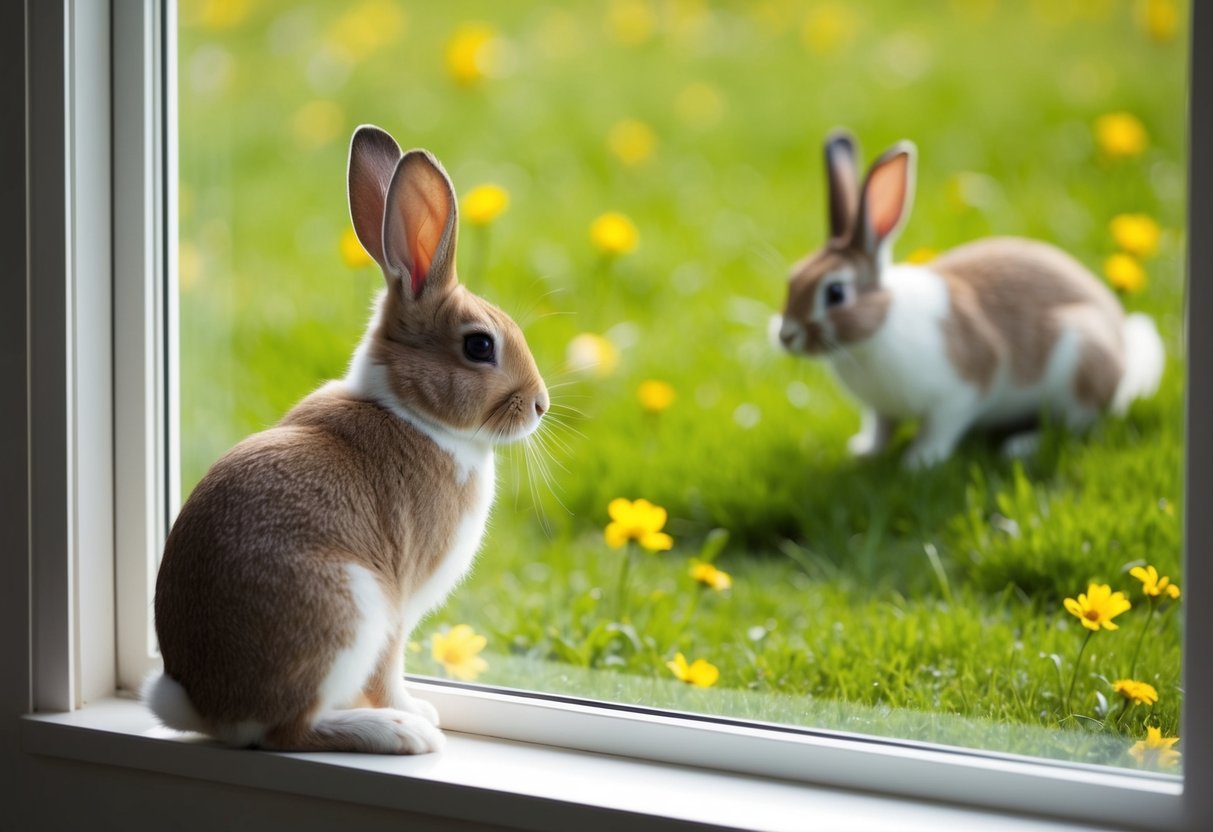
Pay close attention to how your rabbit interacts with you and its environment. If you notice signs like nudging for attention or destructive behavior, it could mean your bunny is seeking companionship.
Creating a stimulating and engaging space can help your pet feel more secure and connected.
By learning the signs of loneliness in rabbits, you can take steps to ensure your pet feels loved and cared for. Understanding these behaviors not only improves your rabbit’s well-being but also strengthens the bond you share.
Understanding Rabbit Behavior

To care for your rabbit, it’s important to understand their behavior. Recognizing signs of loneliness and their social needs can help you provide a happier environment for your pet.
Signs of Loneliness in Rabbits
Lonely rabbits can show distinct behaviors. Look for signs like thumping, which is a way they express distress. They may also engage in destructive actions like chewing furniture or digging excessively.
You might notice your rabbit becoming withdrawn or less active. A sudden lack of appetite can signal that they are not feeling right. Some rabbits might even resort to self-destructive behavior, like pulling their fur.
By staying alert to these changes, you can quickly address their emotional needs. If your rabbit displays these signs, they may benefit from more social interaction or companionship.
Social Dynamics of Rabbits
Rabbits are naturally social animals. In the wild, they live in groups, which helps them thrive. This instinct remains even in domesticated rabbits.
They often form strong bonds with other rabbits or their human caregivers. To help your bunny feel secure, consider having more than one rabbit. Just be careful with introductions, as rabbits can be territorial.
If a second rabbit isn’t an option, spend more time interacting with your pet. Simple activities like playtime or gentle petting can help them feel loved and less lonely. Understanding these dynamics will go a long way in nurturing their well-being.
Creating a Companionable Environment

Creating a loving environment for your rabbit can help prevent loneliness and promote happiness. It’s essential to understand why companionship matters and how to choose the right friend for your bunny.
The Importance of Companionship
Rabbits are sociable animals that thrive on interaction. A lonely rabbit may show signs of sadness, like reduced playfulness or destructive behavior.
Having a companion can help your rabbit feel safe and more engaged. This can lead to improved physical health and mental well-being.
Here are some key reasons why companionship is important:
- Emotional Support: A friend helps reduce stress and loneliness.
- Social Interaction: Rabbits can play and groom each other, which strengthens their bond.
- Health Benefits: Companion rabbits are often more active, leading to better overall health.
By understanding these factors, you can create a happier home for your pet.
Choosing the Right Friend for Your Rabbit
Selecting the right companion for your rabbit is crucial. Here are steps to help you find the best match:
- Consider Gender: Neutered males often get along well with females. Same-sex pairs can work, but watch for aggressive behaviors.
- Age and Size: Match rabbits of similar sizes and ages. Younger rabbits are energetic and may overwhelm older ones.
- Temperament: Look for a rabbit with a temperament that complements your pet. Calm rabbits might pair better with a shy bunny.
- Introduce Gradually: Allow the rabbits to meet in a neutral space. Monitor their interactions closely before bringing them home together.
By carefully choosing a companion, you give your rabbit the best chance for friendship and happiness.
Essential Rabbit Care for Well-Being

Caring for your rabbit is crucial to their happiness and health. Attention to diet and exercise plays a significant role in ensuring your bunny feels loved and engaged.
Diet and Nutrition
A proper diet is key to keeping your bunny healthy and happy. Fresh hay should make up most of their diet. Opt for high-quality grass hay like timothy or meadow hay. This helps with digestion and keeps their teeth healthy.
In addition to hay, provide fresh veggies daily. Leafy greens like romaine lettuce and cilantro are great options. Avoid starchy or sugary vegetables like carrots. Ensure you offer a little variety but in moderation.
Always provide fresh water to keep your rabbit hydrated. Clean their water bowl or bottle every day to prevent bacteria build-up. A balanced diet can reduce feelings of loneliness in a single rabbit and promote wellbeing.
Exercise and Play
Your rabbit needs regular exercise for its physical and mental health. Aim for at least 3-4 hours of playtime outside their cage each day. Create a safe space for supervision where they can hop and explore.
Toys are essential too! Use items like cardboard boxes, tunnels, and chew toys to keep them entertained. Avoid small toys that they can swallow. Rotate toys regularly to keep their environment stimulating.
Bunnies also enjoy social interaction. Spend time each day petting and playing with your rabbit. This connection can help reduce loneliness and boredom, especially for a single rabbit. Keeping your bunny active will promote happiness and health.


