
Dealing with a bunch of bees buzzing around your house or garden? You’re probably looking for a way to send them packing without causing harm. Honestly, the best way to get rid of bees is to nudge them out gently with natural repellents or call a pro who can move them safely. That way, you stay safe and the bees get to keep doing their thing.

Bees matter a lot for the environment, but when they set up shop too close to your home, they can be a problem—especially if someone’s allergic.
You can try natural stuff like smoke, certain plants, or even some household products to encourage bees to move along without hurting them.
Figuring out what kind of bees you’ve got helps you pick the right approach. Are they in your walls? Or maybe in the ground? There’s usually a way to handle it without wrecking your place or messing with nature.
Want some easy, safe ways to deal with bees? Let’s get into it.
Effective Ways to Get Rid of Bees

When you’re dealing with bees, knowing what species you’re up against and what’s attracting them makes a difference.
Natural repellents can keep bees away without causing harm. If you stumble on a hive, the safest move is to remove and relocate it—this helps the bees and solves your problem.
Identify the Bee Species
First up, figure out if you’re looking at honeybees, carpenter bees, ground bees, or something else.
Honeybees are golden and fuzzy, and they like to build hives in trees or walls. Carpenter bees are bigger, shiny, and black, and they drill into wood.
Ground bees are smaller and make their homes underground.
It’s worth knowing the difference. Honeybees help pollinate and really deserve protection. Carpenter bees can mess up wood but don’t usually bother people.
Ground bees rarely sting, but folks still get nervous around them.
If you’re not sure what you’re dealing with, snap a photo and ask a local expert or pest control. Once you know what you’ve got, you can pick the right method.
Remove Attractants from Your Property
Bees love food, water, and a good place to nest.
If you want fewer bees, clean up sweet drinks, open trash, and fallen fruit as soon as you can. Keep garbage cans closed and clean them out regularly.
Fix leaky faucets and dump out standing water like birdbaths—bees need water, too.
Trim back any flowering plants close to your house, especially in spring and summer when bees are everywhere.
Seal up cracks and holes in your walls, eaves, and decks. That’s how carpenter bees sneak in and start nesting.
These changes make your home less appealing to bees.
Natural Bee Repellents and Scents
Natural repellents are a gentle way to keep bees at bay. Mix vinegar with water and spray it where bees hang out—the smell usually sends them packing but won’t hurt your plants or the bees.
You can check out some tips on using vinegar sprays for bee control at Terminix.
Cinnamon works, too. Bees can’t stand the smell, so sprinkle it where they gather and they’ll think twice about sticking around.
Citronella and peppermint oils are also good for blocking bees. Use them in sprays or dab them around doors and windows.
Skip harsh chemicals if you want to help pollinators and avoid getting stung.
Safe Hive Removal and Relocation
If you find a hive on your property, it’s really safest to call in a pro for removal.
If you’re determined to do it yourself, you’ll have to open up walls or structures to get to the hive—just make sure you remove both the bees and the comb, or they’ll come back.
Some folks use special vacuums to collect bees for relocation.
Bee or wasp sprays kill bees but leave the hive behind, which means more bees might show up later.
For small nests, soapy water can work, but honestly, that should be your last resort.
If you want to save the bees, reach out to a local beekeeper or pest expert who does live removals.
Doing it right keeps you safe and helps the bees survive.
You can read more about safe removal on Southeast Bee Removal’s blog.
Natural Methods and Repellents to Deter Bees
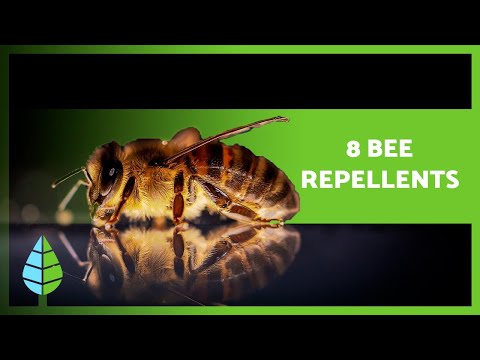
You’ve got a few natural options for keeping bees away from your place. These tricks work because bees just don’t like certain smells and tastes.
No need for harsh chemicals—just use what you’ve got or plant a few things.
Use Mint, Marigolds, and Eucalyptus
Mint, marigolds, and eucalyptus are awesome for keeping bees at a distance.
Bees avoid mint and marigolds since their strong scents throw them off and keep them from gathering nectar.
Plant mint or marigolds around your garden, near doors, or by windows to set up a natural barrier.
Eucalyptus works well, too. Fresh leaves or essential oil both do the trick.
Crush eucalyptus leaves and rub them on surfaces where you don’t want bees hanging out.
Plus, these plants look great and smell nice—bonus for your yard, not for the bees.
Employ Citronella, Lemongrass, and Cinnamon
Citronella is famous for driving off bugs, bees included.
Light citronella candles or use the oil outside to mask the scents that attract bees.
Lemongrass is similar. Grow it or use its oil near spots you want to keep bee-free.
Cinnamon’s spicy smell also pushes bees away. Sprinkle some around the hive area or mix it into a spray if you see bees starting to nest.
Try Garlic, Cloves, and Cayenne Pepper
Garlic, cloves, and cayenne pepper can all help repel bees if you use them right.
Crush garlic cloves and scatter them around your yard—the strong smell makes bees steer clear.
Tie up some cloves in little cloth bags and hang them by doors or spots where bees show up a lot.
Cayenne pepper works by irritating bees’ senses. Sprinkle it carefully near hives or entry points, but don’t overdo it—too much can bother other good bugs, too.
Hang Mothballs and Burn Citronella Candles
Try hanging mothballs near doors and windows. The strong smell tends to drive bees away since they really don’t like it.
Just pop some mothballs in small bags or containers where you usually spot bees sneaking in.
If you’re hanging out outside, light up a few citronella candles. The scent throws bees off and they’ll usually steer clear.
Spread a few candles around for better coverage. You might need more than one if you have a big area.
You can move these around as needed, which is honestly pretty convenient. Just a heads-up—mothballs work best outside, not indoors, because the smell is so intense.
These options help you keep bees away without harming them or reaching for harsh chemicals. It’s a simple, safe way to protect your space.


