
Having badgers in your garden can be a mixed bag. While these creatures are fascinating wildlife that contribute to the ecosystem, they can also cause damage to your plants and lawn.
To get rid of badgers in your garden legally, you need to focus on deterring them rather than attempting to remove them. This is because they are protected under the Protection of Badgers Act 1992.

You might notice signs like snuffle holes or droppings, which indicate their presence. It’s important to understand their behavior and reasons for visiting your garden, mostly in search of food.
By managing your garden to minimize their food sources, you can encourage them to find better alternatives elsewhere.
Keeping your lawn well-maintained and free of grubs can be effective. Additionally, there are various non-lethal strategies you can use to deter these animals. If you’re facing challenges with badgers, exploring these methods can help protect your garden while respecting their place in the wildlife community.
Identifying Badger Activity
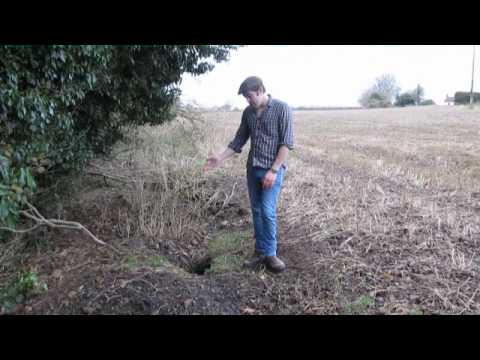
Knowing the signs of badger activity in your garden is essential. By observing specific indicators, you can determine if badgers are visiting your space. Look for tracks, diggings, and other evidence that confirm their presence.
Common Signs in Your Garden
Tracks are one of the easiest signs to notice. Badgers have distinctive paw prints, about 10 cm long, with five toes. You can find these prints in muddy or soft areas.
Another sign is digging. Badgers dig for food, especially earthworms. If you notice holes about 20-30 cm wide, they might be from badgers.
Look for setts, which are the badger homes. They are typically located in dense hedges or woodlands. A sett can have multiple entrances, often surrounded by freshly dug earth.
You may also find latrines, which are areas where badgers leave droppings. These can indicate regular visits to your garden. Keep an eye out for scratch marks on trees or fences, as these can show territories.
Understanding Badger Behaviors
Badgers are mainly nocturnal, so you might not see them during the day. They are social animals, often living in family groups. Their presence can be more noticeable at dusk and dawn.
They dig for earthworms and insects, which is part of their natural behavior. If you’re seeing holes or overturned soil, this could be their foraging efforts.
Badgers are known to use paths as they travel between different areas. These well-trodden paths can often lead you to evidence of their activity.
Be mindful of seasonal changes. During spring and summer, badgers are more likely to be active due to food availability. Recognizing these behaviors helps you understand how to manage badger presence in your garden.
Preventing Badger Damage

Keeping badgers away from your garden involves a few smart strategies. By modifying your garden, using natural repellents, and installing physical barriers, you can effectively protect your space from badger damage.
Garden Modifications
Start by making your garden less appealing to badgers. Clear away any fallen fruits and vegetables from your lawn and flower beds. Keep your garden tidy and ensure there are no hidden food sources.
You might also consider changing your planting. Choose bulbs and plants that are less attractive to badgers. Certain strong-smelling herbs, like mint or rosemary, can act as deterrents.
Raise the height of your vegetable beds to around 30 cm, as this may discourage digging. The less inviting your garden is, the better chance you have of keeping badgers away.
Natural Repellents
Using natural repellents can also help deter badgers from visiting your garden. Some gardeners have found success with substances like vinegar and predator urine. These strong scents can signal danger to badgers, prompting them to move on.
Another option is to sprinkle cayenne pepper or powdered garlic around your plants. Both of these options can create an unpleasant environment for badgers without harming them.
Combine these natural repellents with regular garden maintenance to maximize your protection methods. A strong barrier of scent can complement physical fences you might have.
Physical Barriers
Physical barriers are key to protecting your crops and flower beds from badgers. Installing sturdy fencing is highly effective. Use materials like wire mesh or chicken wire to create a solid barrier around your garden.
Make sure that the fence goes at least 0.5 meters deep into the ground to prevent badgers from digging underneath. An electric fence can provide added security, delivering a gentle zap if a badger tries to get through.
Regularly check your barriers for any damage or wear. Maintaining these defenses ensures that your garden stays safe and secure from badger damage.
Humane Deterrence Techniques

Using humane methods to deter badgers can help protect your garden while ensuring the safety of these animals. Here are some effective techniques you can try.
Using Smell as a Deterrent
Badgers have a keen sense of smell, which you can use to your advantage. Strong odors can make your garden less appealing to them.
You can use male urine from predators to help deter badgers. This natural repellent suggests the presence of a threat. Similarly, citronella oil can be effective, as its strong scent can keep many animals away.
Another option is to sprinkle chopped scotch bonnet chili peppers around your garden. The strong scent and taste can deter badgers without harming them.
It’s important to refresh these scents regularly, especially after rain, to maintain their effectiveness in your garden.
Auditory and Visual Devices
Sound and sight are effective deterrents for badgers. Ultrasonic devices emit high-frequency sounds that are uncomfortable for badgers but inaudible to humans. These devices can cover a large area and deter badgers effectively.
In addition to sound, you can use visual devices. Solar-powered lights that flicker or shine can scare badgers away at night. Reflective objects, such as old CDs or aluminum foil strips, can also create visual disturbances that may encourage badgers to move on.
Combining these auditory and visual methods with scent deterrents can create a multi-layered approach. This will help protect your garden while retaining a natural wildlife-friendly space.
Legal and Ethical Considerations

It is crucial to understand the legal and ethical aspects of dealing with badgers in your garden. Badgers are protected under law, and you must ensure that your actions comply with regulations. Moreover, respecting the ecosystem helps maintain a balanced environment.
Regulations and Wildlife Laws
In the UK, badgers are protected under the Protection of Badgers Act 1992. This law makes it illegal to disturb, harm, or kill badgers. If you suspect a badger is causing issues in your garden, you cannot take direct action without legal permission.
Before taking any steps, check with local wildlife authorities or the Badger Trust for guidance. They can help you understand your rights and responsibilities.
In some cases, you may need to apply for a license for specific control measures. Failure to comply can lead to fines or legal action. Always prioritize humane methods to manage badger-related problems.
Supporting Ecosystem Balance
Badgers play an important role in the ecosystem. They help control insect populations and aerate the soil through their digging. Removing them completely can disrupt this balance.
Instead of trying to eliminate badgers, focus on making your garden less appealing to them. You can remove food sources and block potential entry points.
Additionally, consider creating a more welcoming environment for other garden visitors that can benefit your space.
By taking these steps, you not only protect your garden but also support wildlife protection efforts. Learning to coexist with badgers can lead to a richer garden experience and help maintain the ecosystem.


