
If you’re interested in attracting barn owls to your property, there are several steps you can take to create a welcoming environment for these beautiful birds. Providing suitable nesting sites, such as custom-made owl boxes, is key to encouraging barn owls to settle in your area.
By making small changes to your yard or garden, you can support wildlife conservation and help maintain the natural ecosystem.

To further entice barn owls, ensure that your outdoor space includes open grassland and minimal disturbances. These owls thrive in areas where they can hunt small mammals, especially voles.
By allowing your garden to grow a bit wild and maintaining tall grass, you can provide excellent hunting grounds for these nocturnal creatures.
Engaging in barn owl conservation can be rewarding, knowing that your efforts contribute to the survival of this unique species. By learning how to encourage barn owls to nest, you not only enhance your backyard but also play a vital role in preserving wildlife.
Understanding Barn Owl Habitats

Maintaining suitable habitats for barn owls is essential for their nesting success. You’ll want to focus on their natural preferences and the environments that support their hunting and breeding activities.
Natural Habitats and Nesting Preferences
Barn owls thrive in a variety of habitats, but they prefer open areas where they can easily hunt. Look for locations like lowland farmland, grasslands, and open fields. They are not commonly found in dense woodlands or urban settings.
When it comes to nesting, barn owls often use abandoned buildings, tree hollows, or even old nests made by other birds. They don’t create their own nests. Instead, they lay eggs directly on available surfaces which can include old hay in barns or debris in tree cavities. Knowing their nesting preferences can help you create suitable spaces for them.
The Importance of Grasslands and Open Fields
Grasslands and open fields are vital for barn owls. These areas provide ample hunting grounds where they can easily spot prey like mice and voles.
Your open spaces need to be well maintained to support healthy wildlife populations.
To encourage barn owls, consider creating fields with tall grasses and minimal disturbances. These conditions help improve their hunting success and provide natural shelter.
Make sure to keep these areas free from pesticides, as toxic chemicals can harm both the owls and their food sources. Providing a safe and rich habitat can greatly increase the chances of barn owls nesting in your area.
Creating the Ideal Nesting Environment
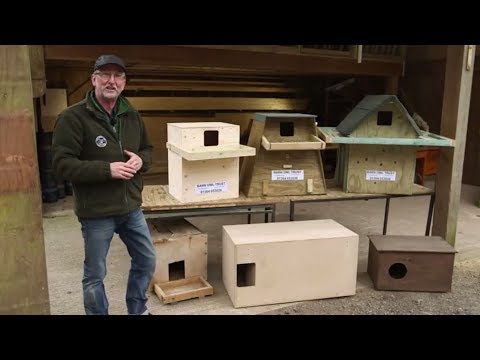
To encourage barn owls to nest in your area, you need to focus on two main aspects. First, choosing the right location for a nest site is crucial. Second, building or installing a suitable nest box can greatly improve your chances of attracting these owls.
Choosing the Right Location
Pick a high location to install your barn owl box. Ideally, you want it to be at least 10 to 15 feet off the ground. This height helps keep the nest safe from predators.
Look for open fields or farmlands nearby; barn owls prefer areas with plenty of hunting opportunities.
Make sure the area has natural cover, like nearby trees or shrubbery. This helps owls feel secure while they raise their young.
They’re more likely to nest where there are hay bales or other habitats that offer some protection. Avoid busy areas with lots of noise or human activity.
Building or Installing a Nest Box
When it comes to the nest box design, size matters. A barn owl box should be at least 1 meter (3 feet) deep, with a floor area of 1 meter x 1 meter. This spacious design allows the owls to nest comfortably.
Use materials like untreated wood for the box. Add soft bedding, such as pine needles or dry grass, to make it cozy.
Ensure that the entrance hole is big enough, about 3 to 5 inches, to allow easy access while keeping out larger predators.
Place the box securely to withstand wind and rain. You can also build a platform beneath it to protect the entrance from puddles. Providing a good nesting environment encourages barn owls to settle down and raise their young successfully.
Enhancing Barn Owl Survival and Breeding

To support barn owls in thriving within your area, focus on providing a steady food source and protecting both adults and owlets from various predators. These two key factors play a significant role in their survival and breeding success.
Providing a Steady Food Supply
Barn owls primarily hunt small mammals, especially voles, which are vital for their diet. To attract them, consider creating habitats that provide ample food sources.
You can manage grassy areas and fields, allowing rough grass to grow. This helps sustain rodent populations.
Controlling rodent numbers also benefits local wildlife. If you reduce overpopulation, barn owls will find more prey available.
Remember, a healthy population of voles leads to healthy barn owls!
Additionally, avoid using toxic rodenticides, as they can harm barn owls and other wildlife. Barn owls depend on a diet rich in these small mammals, making their survival directly linked to food availability.
Protecting Owlets and Adults from Predators
When raising young, barn owls face threats from great horned owls, domestic cats, and dogs. To help protect them, ensure the nest box is placed high and in a safe location. This reduces the chances of predators reaching the nest.
Within your property, removing potential predator hiding spots is essential. Keep areas around nesting sites clear of tall grass or brush where cats and dogs may hide.
Encouraging natural barriers, like dense vegetation, can also deter predators. By creating a safer environment, you enhance both owlet survival and adult breeding success.
Promoting a Barn Owl-Friendly Ecosystem

Creating a welcoming environment for barn owls involves careful management of the ecosystem around you. By focusing on rodent control and avoiding harmful pest management practices, you can enhance the habitat for these beautiful birds.
The Role of Rodent Control in Attracting Owls
Barn owls primarily hunt small mammals, especially rodents like voles and mice. To attract them, you need to ensure there is a healthy population of these prey animals in your area.
Consider maintaining meadow-like areas with tall grasses. These spots provide cover for rodents and hunting grounds for owls.
You can also install owl boxes near these habitats. Nest boxes should be placed at least 10 feet high and in areas where barn owls are known to hunt. This setup encourages them to roost and nest nearby.
Monitoring rodent populations helps you gauge how well your efforts are working. You’ll know if barn owls are close by when you find their pellets, which contain the remains of their prey.
Avoiding the Use of Poisons in Pest Management
Using pesticides and poisons can harm the barn owls you want to attract. Rodents become toxic when they consume these harmful substances. When owls eat these poisoned rodents, it can lead to illness or death.
Instead, opt for natural methods of pest control. Encouraging biodiversity helps create a balanced ecosystem. You can plant native trees and shrubs that attract insects, which provide a natural food source for small mammals.
Also, focus on habitat management. Allow some areas to grow wild, where rodents can thrive without pesticides. This way, you build a healthier environment for barn owls.
Promoting a barn owl-friendly ecosystem enhances your chances of having these magnificent birds nest in your area.


