
If you’ve ever considered keeping a barn owl as a pet, you might wonder about the challenges involved. Barn owls can be both rewarding and demanding pets. These beautiful creatures have unique needs that can make ownership tricky for some people.
Understanding their behavior, diet, and living environment is essential for anyone thinking about adding one to their home.

Barn owls are nocturnal animals, meaning they are active at night and prefer a quiet place to rest during the day. You’ll need to create a comfortable and safe space for them, as well as learn how to handle them properly. While these owls can bond with their owners, they require a significant commitment to care for them correctly.
Many people dream of having owls as pets because of their graceful appearance and fascinating behavior. However, it’s important to consider if you can meet the needs of a barn owl. By learning more about what it takes to keep these birds happy and healthy, you can make an informed decision about whether a barn owl is the right pet for you.
Barn Owl Basics

Barn owls, known scientifically as Tyto alba, are fascinating birds with unique traits and habits. Understanding their needs and characteristics is essential for anyone considering keeping them or appreciating them in the wild. Here’s a closer look at their species, habitat, diet, and reproduction.
Species Overview
Barn owls are a type of owl recognized for their striking heart-shaped face and beautiful plumage. They are widely distributed across the globe, often found in rural areas. These owls play a crucial role in controlling rodent populations, which includes animals such as mice, voles, and rats. Their silent flight makes them effective hunters.
Natural Habitat
Barn owls prefer open habitats, including farmlands, grasslands, and even urban areas with sufficient space. They often nest in barns, tree cavities, or abandoned buildings, which provide shelter and a vantage point for hunting. Conservation efforts are vital for maintaining these habitats, ensuring barn owls have the right spaces to thrive while also keeping rodent populations in check.
Diet and Prey
These owls primarily feed on small mammals, with rodents being their main prey. They have excellent hearing and sight, allowing them to locate their meals effectively at night. A typical diet consists of:
- Mice
- Voles
- Rats
This diet makes them beneficial for farmers, as they help control pests naturally, reducing the need for chemical interventions.
Reproduction and Lifecycle
Barn owls typically breed once or twice a year, depending on food availability. A female can lay between 2 to 18 eggs. The eggs are usually white and incubated for about 30 days. After hatching, the chicks rely on their parents for food and protection.
Nesting sites are crucial for raising young, and efforts to provide safe nesting areas are important for their conservation. The young owls fledge about 12 weeks after hatching, ready to begin their lives as independent hunters.
Owls as Pets
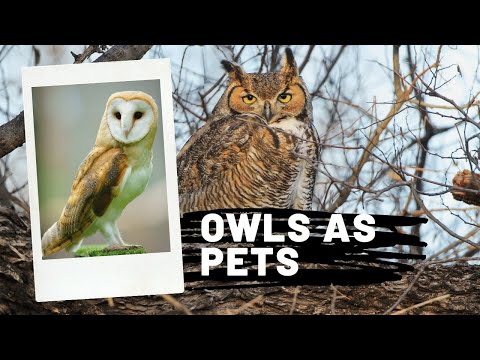
Keeping owls as pets can be a fascinating experience, but it comes with specific responsibilities. You need to understand the legal requirements, proper care, dietary needs, and appropriate housing for these birds.
Legal Considerations
Before bringing an owl into your home, check the laws in your area. Under the Migratory Bird Treaty Act, many owls cannot be kept as pets without a special permit. Some states have strict regulations or outright bans on owning owls.
It is crucial to research your local laws to avoid fines or legal issues. You may be required to obtain a license or register with wildlife authorities. Take the time to understand these requirements to make sure you act within the law.
Care and Commitment
Owls demand a high level of care and commitment. Unlike cats and dogs, they are not domesticated. Owls can become stressed and frightened in a home environment.
You need to be prepared for proper handling and the behavior of these birds. Daily care includes maintaining cleanliness in their space and providing mental stimulation. Be ready to dedicate time to learn about owl behavior and care to ensure a healthy, happy pet.
Feeding Your Pet Owl
Owls have specific dietary needs. Most owls are carnivorous and require a diet of whole prey. This can include rodents, birds, and other small animals.
You should always source fresh food from reliable suppliers. It’s important to avoid feeding your owl processed foods. Owls may also need a varied diet, including different types of prey for balanced nutrition. Make sure to research what specific type of owl you have to meet their unique dietary requirements.
Housing and Environment
Creating a suitable environment is essential for your pet owl. A large, secure aviary or cage is necessary to allow enough space for movement.
Owls need enrichment items like perches and toys to keep them engaged. Nest boxes can also be beneficial for their comfort. Ensure the area is quiet and dark during the day since owls are nocturnal.
Regularly clean their housing to prevent disease and ensure a healthy living space. Be attentive to temperature, humidity, and stress factors in their environment. Providing the right habitat will help your owl thrive.
Health and Welfare Considerations

Maintaining the health and welfare of a barn owl is crucial for its well-being. This involves regular veterinary care, being vigilant about signs of distress, and understanding the role of wildlife rehabilitation. Let’s explore these important areas further.
Veterinary Care
Regular veterinary check-ups are essential for your barn owl’s health. Finding a vet who specializes in avian medicine is best. They can monitor for common issues, like infections or nutritional deficiencies.
Your owl may require vaccinations and parasite control. Discuss the right diet with your vet, as barn owls need a balanced mix of nutrients. Providing a proper diet helps to ward off health problems. Remember, regular health assessments can catch issues early, ensuring your pet stays healthy and happy.
Signs of Distress
Being aware of signs of distress is vital for your barn owl’s welfare. Watch for changes in behavior, such as increased aggression, lethargy, or loss of appetite.
Physical signs like feather plucking, breathing difficulties, or abnormal droppings can indicate health issues. If your owl appears stressed or sick, consult your vet immediately.
Creating a calm, safe environment is important to reduce stress. Avoid loud noises and sudden changes in their surroundings. Regular interaction and socialization can also help them feel secure.
Wildlife Rehabilitation
If you come across an injured or orphaned barn owl, wildlife rehabilitation is a key resource. These facilities are equipped to care for wild birds and can offer the necessary medical attention that captive birds may not receive otherwise.
They can help with injuries and provide rehabilitation to prepare the owl for a return to the wild. Always contact a licensed rehabilitator if you find a distressed owl. Remember, handling wild birds can be risky and requires specific training.
Getting professional help ensures the best chance for recovery and a safe return to their natural habitat.
Conservation and Ethical Perspectives
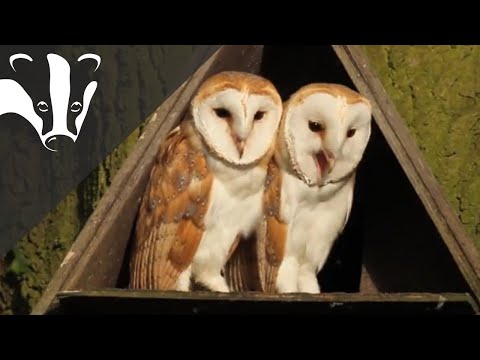
When considering barn owls, it’s crucial to explore conservation efforts and the ethics surrounding keeping these beautiful birds. Understanding the impact of personal ownership on wild populations is essential. Here’s what you need to know about protecting wild species and the alternatives to private ownership.
Protecting Wild Populations
Conservation efforts for barn owls focus on habitat preservation and reducing threats like habitat loss and pesticide use. You can help by supporting organizations that work to create safe environments for these owls.
Barn owls benefit greatly from protected areas where they can hunt and nest freely. Initiatives that promote farmland biodiversity can also aid in providing healthy food sources.
Additionally, educating yourself and others about the importance of keeping the ecosystem balanced is vital. Great horned owls, for instance, can impact barn owl populations, so maintaining diverse species is essential for overall health.
Impact of Keeping Owls
Keeping a barn owl as a pet can raise ethical concerns. These birds are wild animals and have specific needs. Captive conditions can be stressful for them, leading to health issues.
Housing a barn owl requires a significant commitment to its care. They require a spacious enclosure, specialized diets, and mental stimulation. This can be quite challenging for many people.
Moreover, taking an owl from the wild can harm local populations. When you consider ownership, think about the potential consequences for these birds and their natural habitats.
Alternatives to Owning an Owl
If you love owls but aren’t ready for the responsibility of ownership, there are many alternatives. You can participate in local birdwatching groups or support owl rescue organizations.
Volunteering with wildlife rehab centers allows you to help owls without the need for personal ownership. You’ll learn more about their behavior and conservation efforts while making a positive impact.
Another option is to create an owl-friendly habitat in your backyard. You can install nesting boxes to encourage barn owls and other species to thrive naturally. This way, you’ll contribute to their conservation while enjoying their presence.


