
When you think of giraffes, maybe you picture gentle giants. But honestly, their legs pack some serious power. A giraffe’s kick can hit hard enough to injure—or even kill—a big predator like a lion. Those long, muscular limbs and a perfectly timed swing give giraffes a real shot at surviving out on the savanna.

Let’s dig into where that force comes from. Bones, tendons, muscles—it’s all in the mix. Giraffes use these kicks in real fights, and sometimes, it’s a matter of life or death.
You’ll get simple breakdowns and clear examples, showing both the mechanics and the high-stakes moments behind each stomp.
The Strength and Mechanics of a Giraffe Kick

Giraffe kicks hit with a ton of force. Those long, strong legs swing out and can strike in front or off to the side.
Let’s look at how much force they actually generate, what makes it possible, and how their kick compares to other animals.
How Much Force Does a Giraffe Kick Have?
Numbers vary, but a giraffe’s hind-leg kick can break skulls or crush bones in big predators. Some large ungulates have measured kicks in the thousands of newtons, and people have seen giraffes take down lions with just one good hit.
Where the kick lands really matters. A blow to the head or chest focuses all that impact on fragile bones and organs, making it way more dangerous. If the kick hits softer spots or limbs, it can still break bones or cause nasty internal injuries.
Speed and timing play a role too. Giraffes swing their long legs like levers, so even a small hip movement can whip the hoof pretty fast. Add in their body mass, and the impact gets even nastier.
Anatomy Behind the Powerful Kick
Take a closer look at a giraffe’s leg—you’ll notice three key things: long bones, big muscles, and a tough hoof. The femur and tibia act as long levers, making the hoof move faster with just a bit of hip rotation.
Muscles around the hip and thigh create the torque that drives those levers. Tendons store up elastic energy and then release it, making the swing more efficient.
Strong ligaments and joints keep the leg steady during those split-second, high-impact kicks.
The hoof is small and hard, so it focuses pressure right where it hits. With all that mass and speed behind it, the hoof can easily cause bone damage.
Comparing Giraffe Kicks to Other Animals
If you stack giraffe kicks up against horses or other big hoofed animals, you’ll notice giraffes use their leg length more than pure muscle. Horses kick hard and fast but at closer range. Giraffes go for reach and momentum, letting them defend from farther away.
When you compare them to big carnivores, giraffes aim to end things fast with a single, crushing blow. There’s plenty of footage and stories of giraffes killing lions—usually with a direct hit to the head or chest.
Smaller kickers, like kangaroos or cassowaries, do things differently. Kangaroos use quick, repeated kicks with sharp claws. Cassowaries have those wild dagger-like toes. Giraffes? They rely on one big, heavy strike with their hoof, using mass and leverage, not claws or rapid-fire kicks.
Giraffe Kicks in Action: Defense and Survival
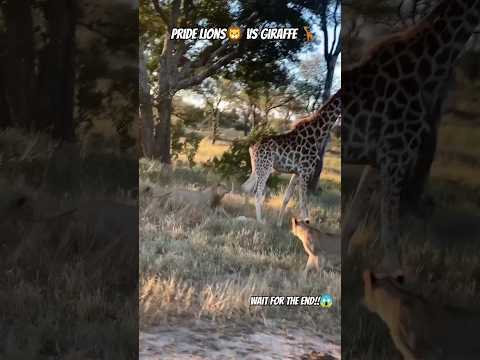
Giraffes use their powerful kicks and sharp senses to dodge or stop attacks. When they need to, they can kick with surprising speed and accuracy.
Lions as the Main Predators
Lions go after giraffe calves or adults that look weak. They’ll try to ambush from cover or strike at dusk when it’s harder to see. But a single adult giraffe can knock out or even kill a lion with a solid kick to the chest or head.
Giraffes can kick forward with a front leg or use their back legs for even more power. That means lions have to watch out for kicks coming from more than one direction while they try to get close. Even when lions team up, they still take a big risk—one good kick can break bones or send a lion flying.
Fatal Outcomes for Predators
Giraffe kicks can break bones, crack skulls, and cause deadly internal injuries. People have seen lions get killed or badly hurt after a giraffe lands a kick.
The mechanics are pretty brutal—a hard hoof, long legs, and all that force focused on a small spot. If the kick hits the ribs or skull, it can crush bones or damage vital organs. Predators figure out pretty quickly that giraffes aren’t easy targets, and after a few failed hunts, they often change tactics.
Risks to Humans and Other Animals
Giraffes are wild animals, and honestly, they can hurt you pretty badly if they feel threatened or cornered. Zoo keepers and researchers stick to strict safety rules because a defensive kick from a giraffe can seriously injure anyone who gets too close.
Giraffes sometimes kick other large animals during fights over territory or mates. These kicks might not always be fatal, but they can easily cause fractures, deep bruises, or long-term mobility issues.
So, if you’re watching giraffes in the wild, keep your distance. Always follow park or reserve guidelines.
- Bold protective features: long legs, hard hooves, strong muscles.
- Practical tip: stay several body lengths away; use binoculars instead of getting close.


