
You watch a lion and wonder—how sharp is its mind, really? Lions clearly show smarts in social life and hunting. They use teamwork, memory, and tricks they’ve picked up to solve problems and stay alive.

Let’s dig into how their group life shapes their thinking. Tests even compare them with other big cats. You’ll see simple examples of hunting strategy, social learning, and what scientists actually look for when they measure animal intelligence.
Understanding Lion Intelligence
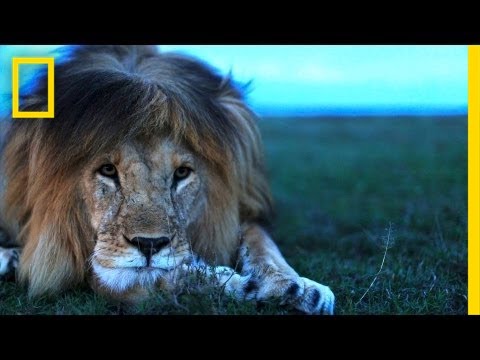
Lions show different smarts tied to living in groups, hunting together, and learning from experience. Their pride life, teamwork, and signals shape the choices they make.
Males, females, and cubs all show their own styles.
Social Intelligence and Pride Dynamics
You can spot social intelligence in the way lions manage pride life. A pride usually has related lionesses, their cubs, and one or more males.
Lionesses make up the stable core. They track relatives, help raise each other’s cubs, and coordinate food sharing.
You’ll notice hierarchy in the little things: who eats first, who greets whom, and who leads when the pride moves. These patterns need memory and recognition of individuals.
That social memory helps avoid fights and keeps alliances ready if rival coalitions show up.
Pride membership also drives choices about territory defense or when to leave a carcass. These decisions reflect social negotiation, not just instinct.
Cooperative Hunting and Teamwork
You see real teamwork when lionesses hunt. They pick roles—some flank, some drive prey, and others wait in ambush.
This role-taking cuts down chase distance and boosts kill success, especially for big prey like buffalo.
Hunting plans shift with prey type and landscape. On open plains, lions rely on stealth and timing.
In thick cover, they use coordinated bursts. Lions learn which partners work best and stick with successful teams.
Cooperation needs good timing, attention to others’ moves, and flexibility to switch roles mid-hunt. These skills show planning and shared problem-solving, not just chasing on reflex.
Adaptability and Learning from Experience
Lions adapt when food gets scarce, weather shifts, or people show up. When prey runs low, they try new things—maybe hunt at night or scavenge more.
You’ll see individuals test new methods, and others copy what works.
Studies in the wild and in captivity show lions remember how to solve puzzles or get food months later. They change tactics after failed hunts and get better over time.
Learning happens alone and by watching others. Those traits help prides survive when landscapes or prey change.
Communication: Vocalizations and Body Language
Lions talk with roars, grunts, chuffs, and growls. Roars warn rivals from kilometers away and mark territory.
Close sounds and purr-like noises help adults bond and soothe cubs.
Body language matters too. Tail flicks mean irritation, ear position shows attention, and rubbing marks both cooperation and scent-based identity.
You can read mood and intent from posture, especially during hunts or fights.
Lions need to notice and remember these signals. They react differently depending on who made the sound or gesture, showing they get more than just a basic cue.
Intelligence in Male Lions, Lionesses, and Cubs
Lionesses lead most hunts and social care. They usually score higher on cooperative problem-solving since their roles demand coordination and memory.
Males focus more on patrol, territory defense, and mating. Male intelligence shows in tactics—coalition males coordinate patrols and use deception in fights to hold control over a pride.
Cubs learn fast through play. Play fights build timing, stalking skills, and social rules.
Young lions watch and copy adults. Play helps them judge strength and learn cooperation.
Each age and sex develops skills tied to what they need every day.
Comparisons to Other Big Cats and Dogs
Lions rely more on group-based strategies than tigers or leopards. Studies show lions solve some puzzles better, probably because social life means tracking allies and rivals.
Solitary cats focus more on stealth and solo problem-solving.
When you compare lions to dogs, lifestyle differences stand out. Dogs evolved alongside humans and show strong cooperative skills with people.
Lions show complex social thinking within their species but don’t match dogs’ knack for reading human cues.
Both big cats and dogs show intelligence shaped by social needs and their environments. Lions’ strengths center on group memory, joint action, and reading other pride members.
Links for further reading: check out Scientific American’s summary of lion cognition experiments and how social pressure shapes big-cat intelligence at Science / AAAS.
Key Factors Influencing Lion Intelligence

Lions rely on memory, teamwork, and flexible behavior to survive. The savanna’s seasons, the need to hunt big prey, and human threats all shape how they think and act.
Role of Environment and the African Savanna
The African savanna gives lions a wide, changing stage that tests their learning and memory. Dry and wet seasons shift where prey goes, so lions need to remember water holes, migration routes, and where grazing herds gather.
You’ll see prides move and hunt near rivers, kopjes, and tall grass to match prey patterns.
Open plains force lions to plan hunts and time ambushes. They choose cover, wait for the right light, and coordinate roles between adults and subadults.
These landscape pressures reward problem-solving and spatial memory, not just brute strength.
Impact of Carnivore Lifestyle
As big carnivores, lions depend on teamwork and careful energy use. You see coordinated hunts for buffalo or zebra that need role division, timing, and patience.
Those tasks require learning from experience and reading other pride members’ behavior.
Being social lets younger lions learn by watching adults. You can see social learning in play, stalking practice, and copying successful hunting moves.
Conserving energy between kills also teaches decision-making—when to chase, when to rest, and when to join other hunters.
Challenges: Poaching and Environmental Threats
Poaching and habitat loss push you to adapt fast. Behaviors that used to work just don’t cut it anymore.
With fewer prey and broken migration routes, hunting gets a lot tougher. Prides end up shifting hunting grounds or even going after different species.
Sometimes you’ll see more risky daytime hunts or even scavenging. When traditional prey vanish, what else can you do?
Human presence just adds to the stress. Roads, fences, and settlements chop up habitats and shrink your pride’s range.
These threats force lions to figure out new routes and avoid people. Sometimes they might even steal livestock—a choice that brings more conflict and the real risk of retaliation.


