
Seeing a cheetah in the wild can be a breathtaking experience, but you might be wondering just how rare it truly is. Currently, cheetahs are listed as vulnerable, which means their population is declining and sightings can be quite limited. Factors like habitat loss and poaching have made these magnificent animals harder to find in their natural landscapes.
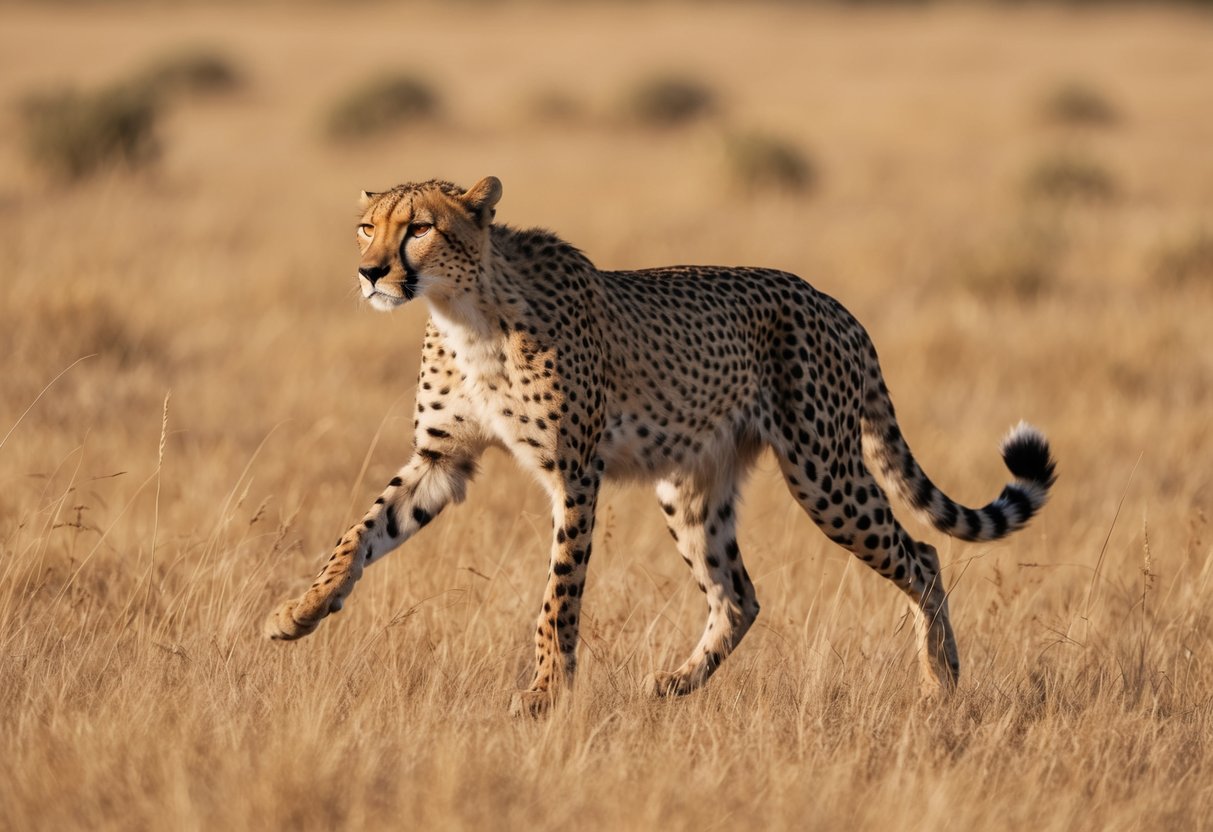
If you do get the chance to see a cheetah, consider yourself lucky. Conservation efforts are ongoing to help protect these swift hunters, but many challenges remain. You might need to visit specific wildlife reserves, particularly in regions like Africa, to increase your chances of spotting one.
In this article, you will learn more about the factors that affect cheetah sightings and what you can do to support their conservation. Knowing more about their status and the threats they face will help you appreciate these incredible animals even more when you finally spot one!
Understanding Cheetah Habitats
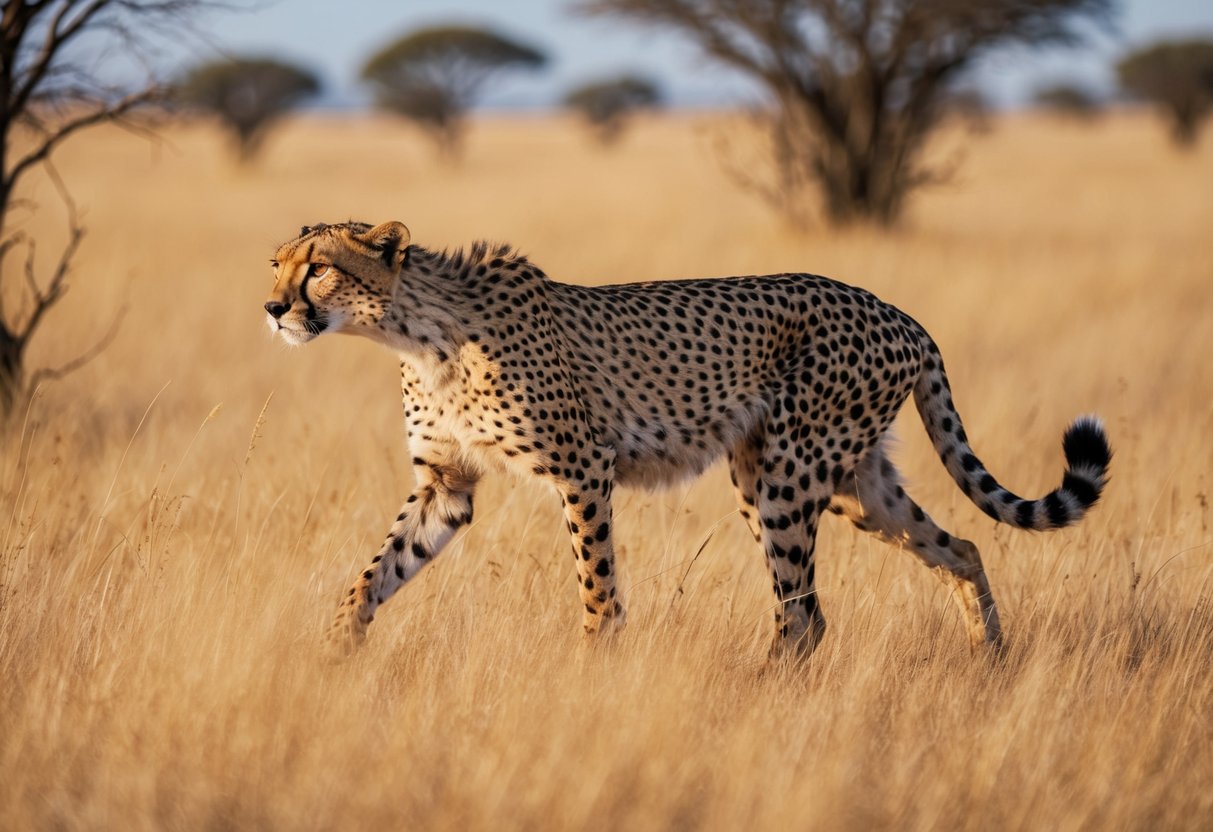
Cheetahs thrive in unique environments that shape their behavior and survival. Understanding where these magnificent animals live and the challenges they face is essential for their conservation.
Cheetah Populations Across the Globe
Cheetahs primarily inhabit sub-Saharan Africa, where they roam across open savannas, grasslands, and some desert areas. South Africa and Kenya are key regions for cheetah populations. In South Africa, you can find them in protected areas like the Kruger National Park.
Meanwhile, Kenya hosts a significant number of cheetahs in places like the Maasai Mara. These regions provide ample prey and space for the cheetahs to hunt and raise their young.
Cheetah populations are affected by various factors, including their habitat and prey availability. As their preferred habitats change, it impacts their numbers and distribution.
Habitat Loss and Its Impact
Habitat loss is one of the biggest threats to cheetahs. As human activities expand, more land is converted for agriculture and urban development. This reduces the places where cheetahs can hunt and live.
In sub-Saharan Africa, areas that were once rich in wildlife are now increasingly fragmented. When cheetahs lose their natural habitat, it leads to increased human-wildlife conflict. Farmers may see cheetahs as threats to their livestock, leading to more retaliation against them.
Conservation efforts are crucial in addressing these issues. Governments and organizations work together to protect habitats and establish wildlife corridors. These efforts help ensure that cheetah populations can thrive despite the challenges they face.
Cheetah Biology and Behavior
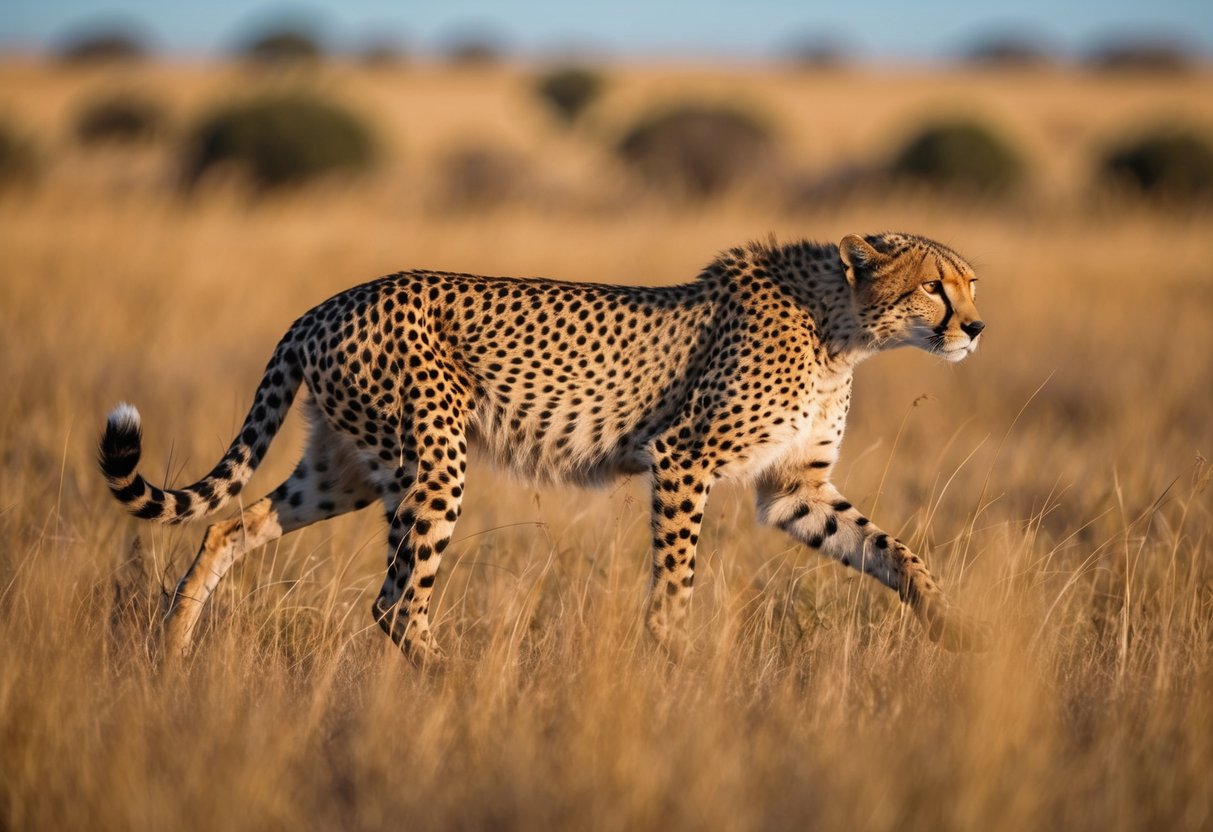
Cheetahs have fascinating biology and behaviors that make them unique among big cats. Their specialized traits help them thrive as the fastest land animals. You’ll find remarkable details about their appearance, hunting, and reproduction.
The Uniqueness of King Cheetahs
The king cheetah is an extraordinary variant of the common cheetah. This unique appearance comes from a recessive gene that causes a different coat pattern. King cheetahs display large spots and stripes, giving them a striking look.
This distinct coloration serves as camouflage in their natural habitat. Although they are rarely seen, their rarity adds to their charm. Many people may see regular cheetahs, but spotting a king cheetah is quite special.
Hunting Strategies and Diet
Cheetahs are agile and speedy hunters, mainly preying on animals like gazelles and antelopes. They can accelerate from 0 to 60 miles per hour in just a few seconds. This astonishing speed allows them to chase their prey effectively over short distances.
They use a strategy of stealth and bursts of speed. Cheetahs often stalk their prey, getting as close as possible before launching a swift sprint. This hunting technique is crucial since they tire quickly and rely on their quickness to catch food.
Reproduction and Life Cycle
Cheetah reproduction involves a gestation period of about 93 days. During this time, a female typically gives birth to 1 to 6 cubs. At birth, these cubs weigh only about 8.5 to 15 ounces.
Cheetah cubs are vulnerable and face many threats in the wild. Up to 70% may not survive to independence. The mother plays a vital role in protecting her young and teaching them essential skills for survival. As they grow, cubs learn hunting techniques and social behaviors that shape their future as adults.
Threats to Cheetah Survival
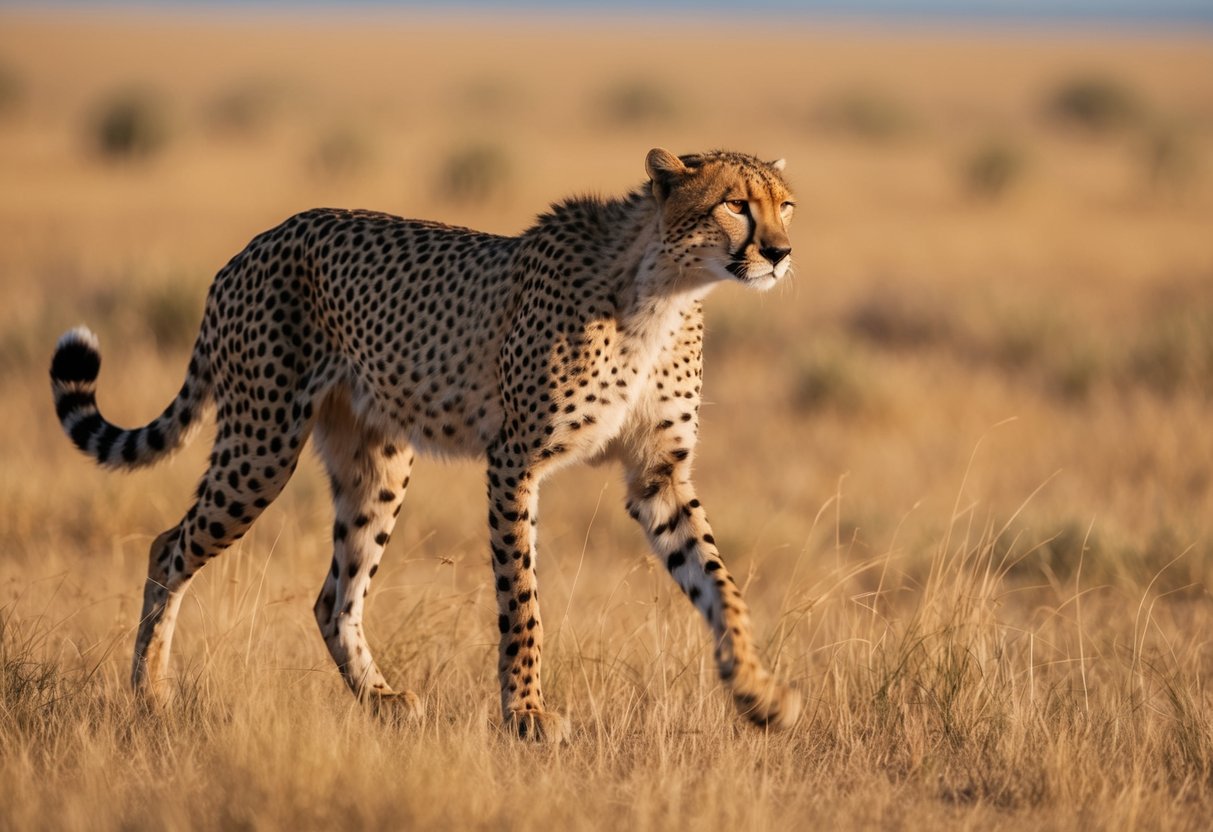
Cheetahs face several serious threats that put their population at risk. Understanding these factors is crucial for the survival of these magnificent cats. Here’s an overview of the main challenges they encounter in the wild.
The Reality of Poaching
Poaching is a major threat to wild cheetahs. Unfortunately, these beautiful animals are hunted for their pelts and sometimes captured for the illegal pet trade. The demand for cheetah skins is driven by high prices in some markets.
This illegal activity has profound effects on the cheetah population, leading to a decline in numbers. According to the IUCN Red List, the cheetah is listed as a vulnerable species. Conservation efforts are necessary to reduce poaching and protect these animals.
Human-Wildlife Conflict
Human-wildlife conflict poses another serious threat to cheetahs. When cheetahs prey on livestock, farmers may retaliate by killing them. This reaction helps protect their livelihoods but significantly decreases cheetah numbers.
Negative perceptions of cheetahs among local communities complicate conservation efforts. Building awareness and promoting coexistence can help reduce these conflicts. Solutions may include using non-lethal deterrents, such as guard animals or fencing.
Diseases and Their Effects
Diseases also affect cheetah populations. Wild cheetahs are vulnerable to various illnesses that can spread quickly in the wild. Factors such as habitat changes and close contact with domestic animals increase the risk of disease transmission.
Infections can weaken a cheetah’s ability to hunt and thrive, leading to decreased survival rates. Monitoring wildlife health and implementing vaccination programs are crucial steps in protecting these endangered species. Understanding disease risks can aid in future conservation strategies.
Conservation and Research Initiatives
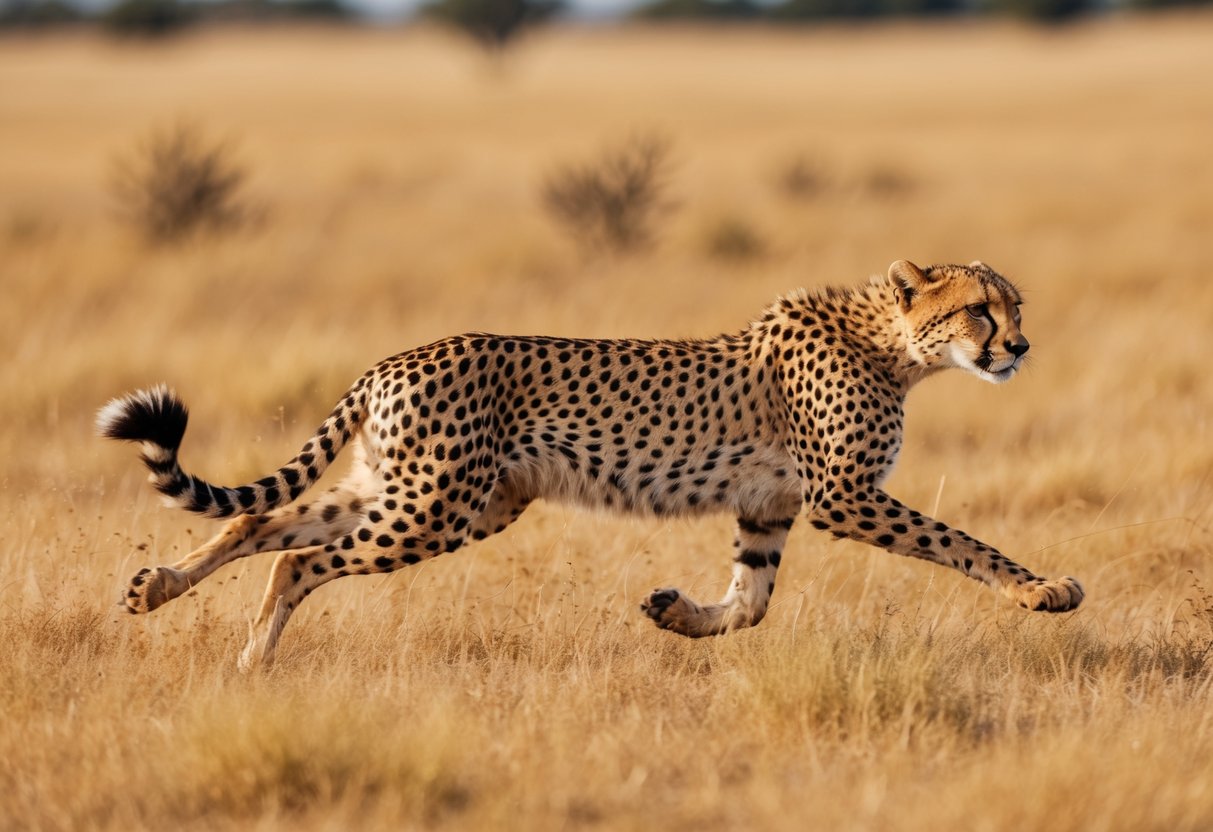
Cheetah conservation is crucial for protecting these magnificent animals and their habitats. Programs and research initiatives aim to enhance the cheetah population through various methods, including breeding and genetic studies.
Cheetah Conservation Fund and Other Programs
The Cheetah Conservation Fund (CCF) plays a key role in protecting cheetahs. They focus on research, education, and sustainable land use to help preserve these animals. Their educational efforts raise awareness about the threats cheetahs face, like habitat loss and human-wildlife conflict.
In addition to CCF, other organizations also contribute to conservation. The De Wildt Cheetah and Wildlife Centre is well-known for its breeding program. This center works to increase the genetic diversity of cheetahs. Supporting these initiatives is important for maintaining cheetah populations and ensuring their survival.
Advancements in Breeding and Genetics
Breeding programs are essential in conservation efforts. Modern cheetah breeding techniques help improve genetic diversity. Genetic mutations in cheetah populations limit their ability to adapt and survive.
Organizations study these genetic traits to develop better breeding practices. They understand genetic variations and create strategies to manage populations effectively. This ensures healthier cheetah populations with a better chance of survival in the wild.
Through these initiatives, you support the future of cheetahs and contribute to preserving global biodiversity.


