
Cheetahs are one of the fastest animals on the planet, captivating many with their incredible speed and grace. As you explore their world, it becomes clear that these magnificent creatures are facing severe challenges. These magnificent creatures are facing severe challenges, with only about 7,100 left in the wild.
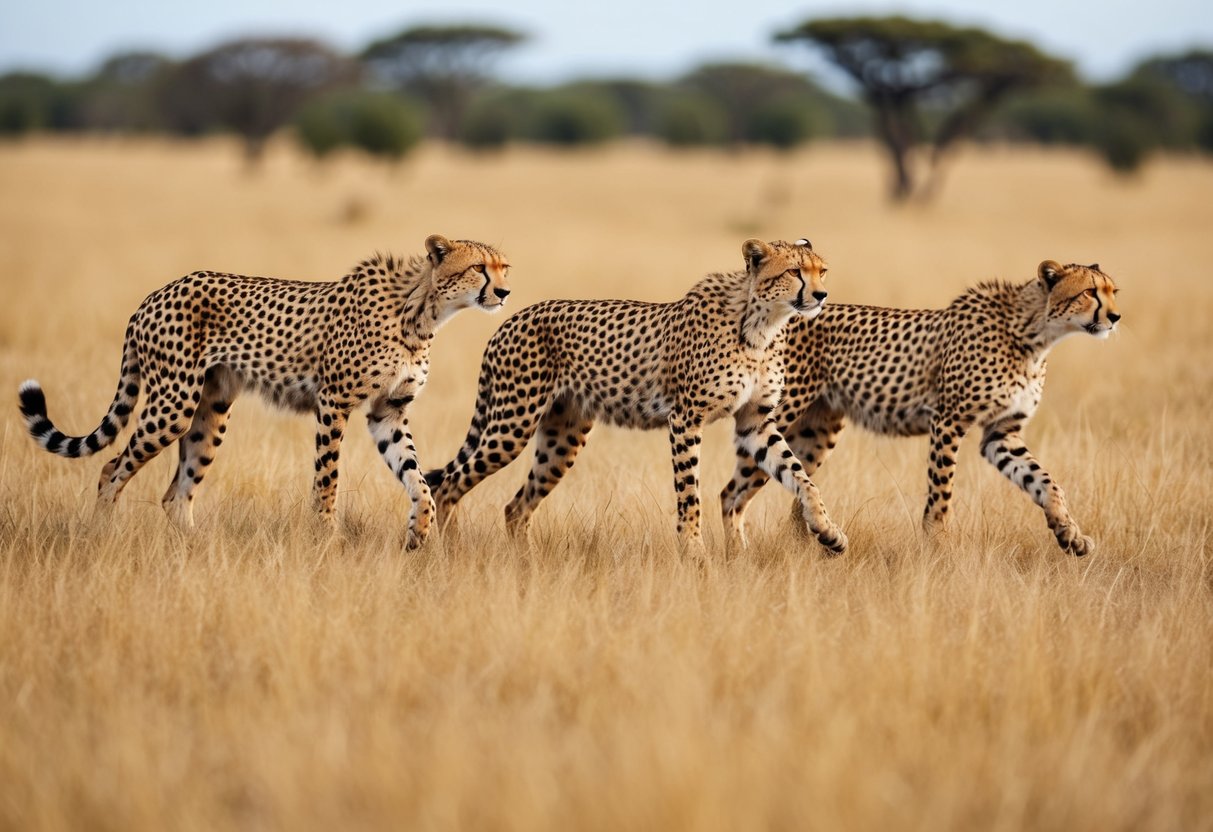
Most of the remaining cheetahs reside in Africa, where they encounter habitat loss and threats from climate change.
Conservation efforts are vital to protect these animals and their environment. Understanding what puts cheetahs at risk can help you appreciate the importance of taking action to save them.
By learning more about the struggles of cheetahs and how you can contribute to conservation efforts, you can be part of the solution. The future of these iconic big cats depends on our choices today.
The Cheetah’s Race Against Extinction

Cheetahs, known scientifically as Acinonyx jubatus, are facing serious challenges that threaten their survival. Their conservation status is critical, and understanding these issues is vital for wildlife conservation efforts.
Understanding the Cheetah’s Predicament
Cheetahs are currently listed as “vulnerable” on the IUCN Red List. This means their populations are declining and they could become endangered if action is not taken.
Factors like habitat loss, poaching, and reduced prey availability are contributing to their plight.
In the early 1900s, there were over 100,000 cheetahs in the wild. Today, that number has plummeted to about 7,100. This drastic decline is partly due to human expansion into their habitats and climate change.
Your awareness can play a role in the fight against extinction. By supporting awareness programs, you can help ensure a future for these incredible animals.
Conservation Status and International Efforts
Several organizations are working to improve the situation for cheetahs. The Cheetah Conservation Fund and the Wildlife Conservation Society are leading initiatives focused on habitat restoration and anti-poaching measures.
Efforts include establishing protected areas where cheetahs can roam safely. These conservationists work tirelessly to educate local communities about the importance of preserving wildlife.
International efforts are also crucial. The IUCN encourages nations to collaborate and share resources to protect endangered species. Your involvement can also help. Joining conservation programs or spreading awareness can make a difference in protecting cheetahs from extinction events.
Habitat and Distribution: Past and Present
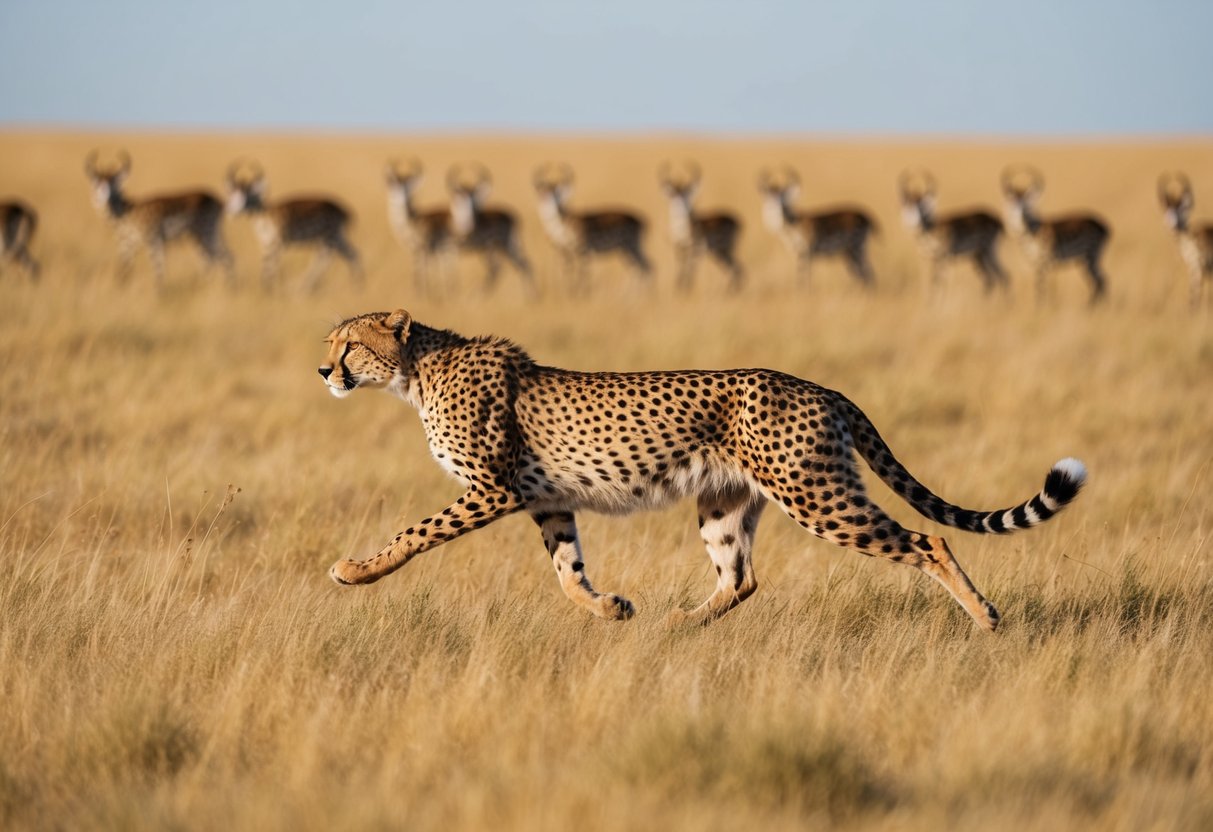
Understanding the habitat and distribution of cheetahs helps you see how their environment has changed over time. This section explores where cheetahs used to roam versus where they live today. The impact of human activities on their space is also a crucial part of their story.
Historic Range and Current Habitat
Historically, cheetahs thrived across vast areas of Africa and parts of Asia. They roamed open savannahs and grasslands, perfect for hunting. The African continent was full of diverse ecosystems that supported these big cats.
Currently, the situation has changed dramatically. Now, cheetahs occupy only about 9% of their historic range. They are mainly found in fragmented habitats across Africa, such as in protected areas like national parks. The Asiatic cheetah, once widespread in Asia, now has an even more limited range, mainly found in Iran.
Impact of Human Activities
Human activities play a significant role in cheetah habitat loss. Farming, urban development, and deforestation have all led to shrinking spaces for these animals.
As agriculture expands, it replaces the natural habitats that cheetahs need for hunting and raising cubs.
Additionally, poaching and conflicts with farmers further threaten cheetah populations.
The need for protected areas is crucial. These spaces can help maintain viable habitats and support healthy cheetah populations. Without them, the future of African cheetahs and the Asiatic cheetah remains uncertain.
Genetic Bottlenecks and Biodiversity Concerns
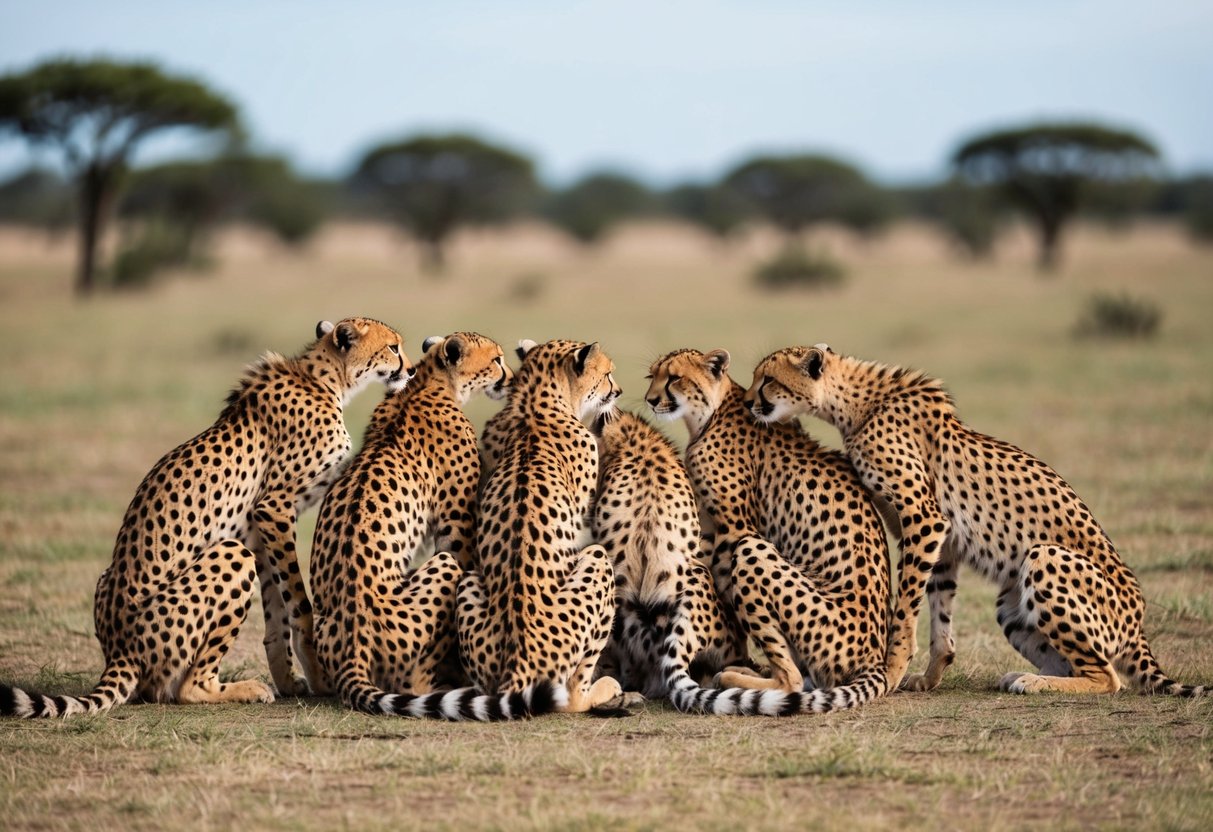
Cheetahs face significant challenges due to their low genetic diversity. This section explores how inbreeding affects their population and the efforts in place to preserve cheetah genetics.
Inbreeding and Genetic Variability
Inbreeding occurs when closely related animals mate. This practice reduces genetic diversity, leading to a limited gene pool.
For cheetahs, this results in higher levels of homozygosity, where individuals share identical alleles.
Low genetic variability makes cheetahs more susceptible to infectious diseases. The decreased ability to adapt to environmental changes further threatens their survival.
Genetic analysis shows that cheetah populations have experienced multiple bottleneck events over the past 100,000 years, severely diminishing their genetic makeup. These events cause rare mutations to become more common, often leading to health issues.
Efforts to Preserve Cheetah Genetics
Conservationists are taking action to enhance the genetic health of cheetah populations. Efforts include breeding programs that aim to increase genetic diversity. They introduce unrelated individuals into the gene pool to reduce the negative effects of inbreeding.
Researchers are also using genetic analysis to monitor the health of various populations. These studies help identify genetic variability and highlight potential areas for intervention.
Conservationists also work on habitat protection to ensure safer environments for cheetahs. Preserving their natural homes supports a healthy ecosystem and increases the chances that these remarkable animals will survive in the wild.


