
Red squirrels are truly a treasure of Britain’s wildlife, but their numbers are not what they used to be. Currently, red squirrels are considered rare in the UK, primarily due to competition from grey squirrels and habitat loss. You might be surprised to learn that about 120,000 red squirrels remain, mainly in specific areas like Scotland, while grey squirrels have flourished and taken over many regions.

Conservation efforts are underway to protect these charming creatures from further decline. Various organizations are working hard to preserve their habitats and promote awareness about their importance. By understanding the challenges red squirrels face, you can play a part in supporting their survival.
If you have ever spotted a red squirrel in the wild, consider yourself lucky. With their beautiful bushy tails and playful nature, they are a reminder of what makes British woodlands so special. Exploring the reasons behind their rarity can help you appreciate these animals even more and encourage efforts to keep them thriving for future generations.
Red Squirrels in the UK
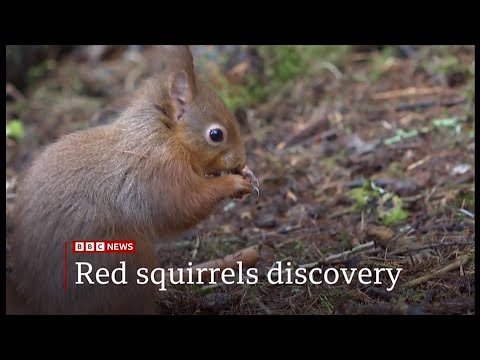
Red squirrels are unique to the UK and play an important role in British woodlands. Their populations are in serious decline, and understanding more about their status and the threats they face will help you appreciate these charming creatures.
Population and Distribution
The native red squirrel population is now primarily found in Scotland, Northern England, and parts of Wales, including the Isle of Wight. They once thrived across the UK but have experienced a significant decline due to habitat loss and competition from grey squirrels.
Current estimates suggest there are around 287,000 red squirrels in Britain, a stark contrast to the roughly 2.7 million grey squirrels. They prefer mature woodlands where they build nests called dreys. This allows them to stay protected and raise their young.
Threats to Red Squirrels
Several serious threats contribute to the decline of red squirrels. One major issue is habitat loss, as forests are cleared for agriculture or urban development.
The introduction of grey squirrels from North America has also caused trouble. They outcompete red squirrels for food and habitat. Additionally, grey squirrels carry the squirrelpox virus, which is deadly to red squirrels but harmless to themselves.
Predation by animals like the pine marten has been examined as both a risk and a potential aid to red squirrel populations. While it poses a direct threat, the presence of pine martens can control grey squirrel numbers, potentially benefiting red squirrels in the long run.
Conservation Efforts
Efforts to conserve red squirrels focus on habitat management and controlling grey squirrel populations. The Red Squirrel Survival Trust plays a significant role in these initiatives. They work on community-led projects to create safe spaces for red squirrels to thrive.
Organizations like Natural England monitor the conservation status of red squirrels, which is currently categorized as near threatened on the UK Red List. Habitat restoration and forest regeneration are essential for their recovery.
You can also help by supporting local conservation efforts or visiting areas where red squirrels are monitored. Promoting awareness of their plight is key to ensuring that this important part of the UK’s natural heritage remains for generations to come.
Understanding Red Squirrels

Red squirrels are unique and charming creatures that play an important role in our wildlife. They have specific habitat needs and diets that help them thrive, but they face challenges from competing species, particularly grey squirrels.
Red Squirrel Habitat and Diet
You can find native red squirrels mostly in coniferous woodlands, which provide the perfect environment for their nests, called dreys. These nests are often built high in the tree canopy, giving them safety from predators.
Their diet mainly consists of seeds, nuts, and fruits. Red squirrels love hazelnuts, pine seeds, and acorns. They rely on these food sources, especially in winter, when food is scarce due to deforestation and habitat loss. The decline in tree cover limits their resources and makes competition with grey squirrels even tougher.
Physical Characteristics and Behavior
Red squirrels, known scientifically as Sciurus vulgaris, are distinct with their reddish-brown coats and pale undersides. They have ear tufts that add to their appeal and a bushy tail that helps them balance while jumping between branches.
These squirrels are agile and quick, which helps them escape from predators. They are also solitary animals, often seen foraging alone. During breeding, they take extra care to protect their young in their dreys, showing their commitment to continuing their populations.


