
Cheetahs once roamed freely in India, but their numbers faced a steep decline over the years. Today, with the ongoing efforts to reintroduce them into the wild, you might wonder how many cheetahs are left in the country. As of early 2024, there are about 20 cheetahs in India, primarily located in Kuno National Park.
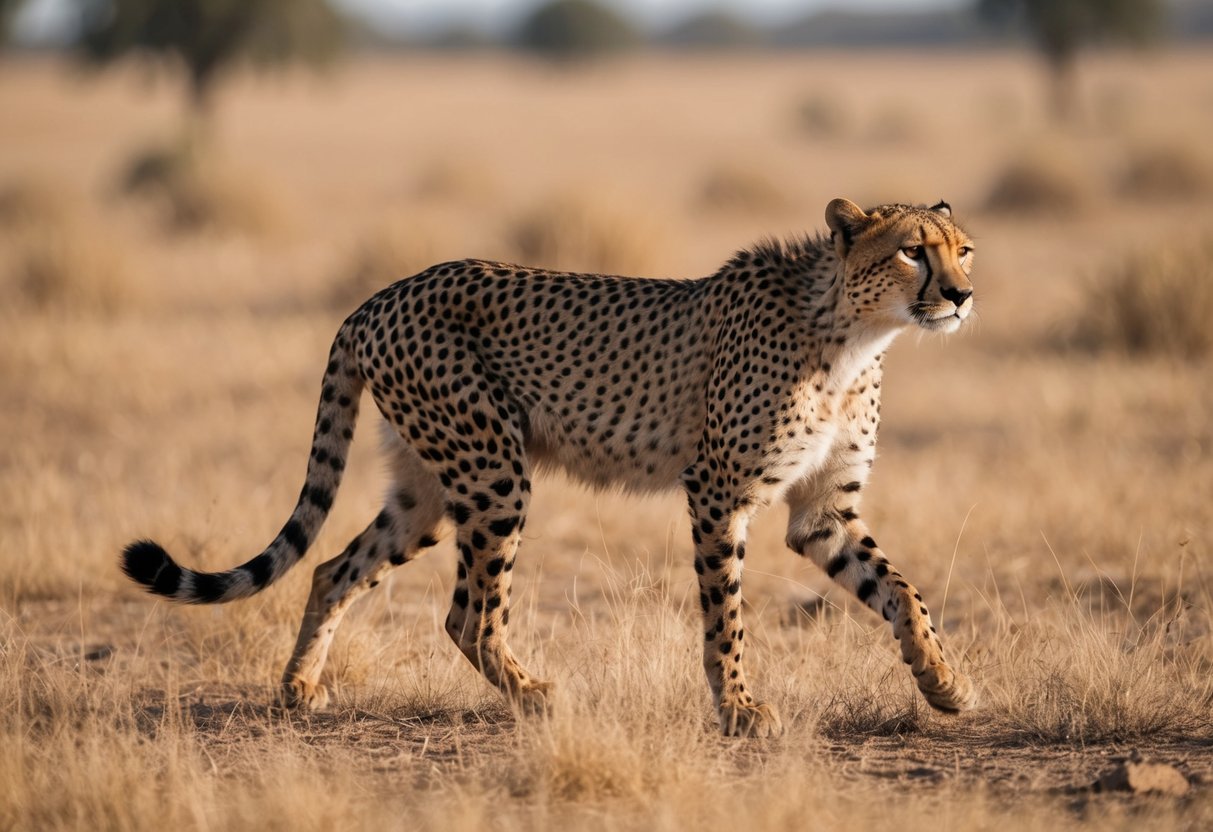
This reintroduction project has seen some ups and downs. While some cheetahs have successfully adapted to their new home, others have sadly succumbed to various challenges.
It’s essential to keep track of these majestic animals as conservationists work hard to ensure their survival in the wild.
Learning about the status of cheetahs in India can inspire you to support wildlife conservation efforts. Understanding the challenges they face and the successes of initiatives like Project Cheetah helps everyone appreciate these incredible creatures.
Overview of Cheetahs in India

Cheetahs have a unique history in India, marked by their extinction in the 1950s. Recent efforts have focused on reintroducing these magnificent animals to their native habitat. You will find significant developments in Kuno National Park, which is now a key area for their survival.
Historical Context and Recent Cheetah Reintroduction
In India, cheetahs once roamed freely but disappeared in the 1950s due to habitat loss and hunting. Their absence left a gap in the ecosystem. To revive their presence, India launched Project Cheetah in 2022.
This project aimed to reintroduce African cheetahs into India. The first batch included eight chitas from Namibia followed by twelve from South Africa. Their journey back to India is a significant step for wildlife conservation.
By early 2024, reports indicated mixed success in the reintroduction. Unfortunately, several cheetahs have died since their arrival, raising concerns among conservationists. Still, hope remains for the thriving populations as more cubs have been born in captivity.
Kuno National Park as a New Habitat
Kuno National Park in Madhya Pradesh has become the focal point for the reintroduction of cheetahs. This park offers a suitable habitat with open grasslands and forested areas, which are essential for cheetah survival.
Established as a wildlife sanctuary, Kuno has been improved to support the needs of these big cats. The park’s management focuses on creating a safe environment where cheetahs can hunt and thrive.
Additionally, Kuno presents challenges, such as managing prey populations and ensuring the safety of the cheetahs. Wildlife experts are continuously monitoring the situation to adapt practices and enhance the living conditions for the cheetahs.
Conservation Efforts and Challenges
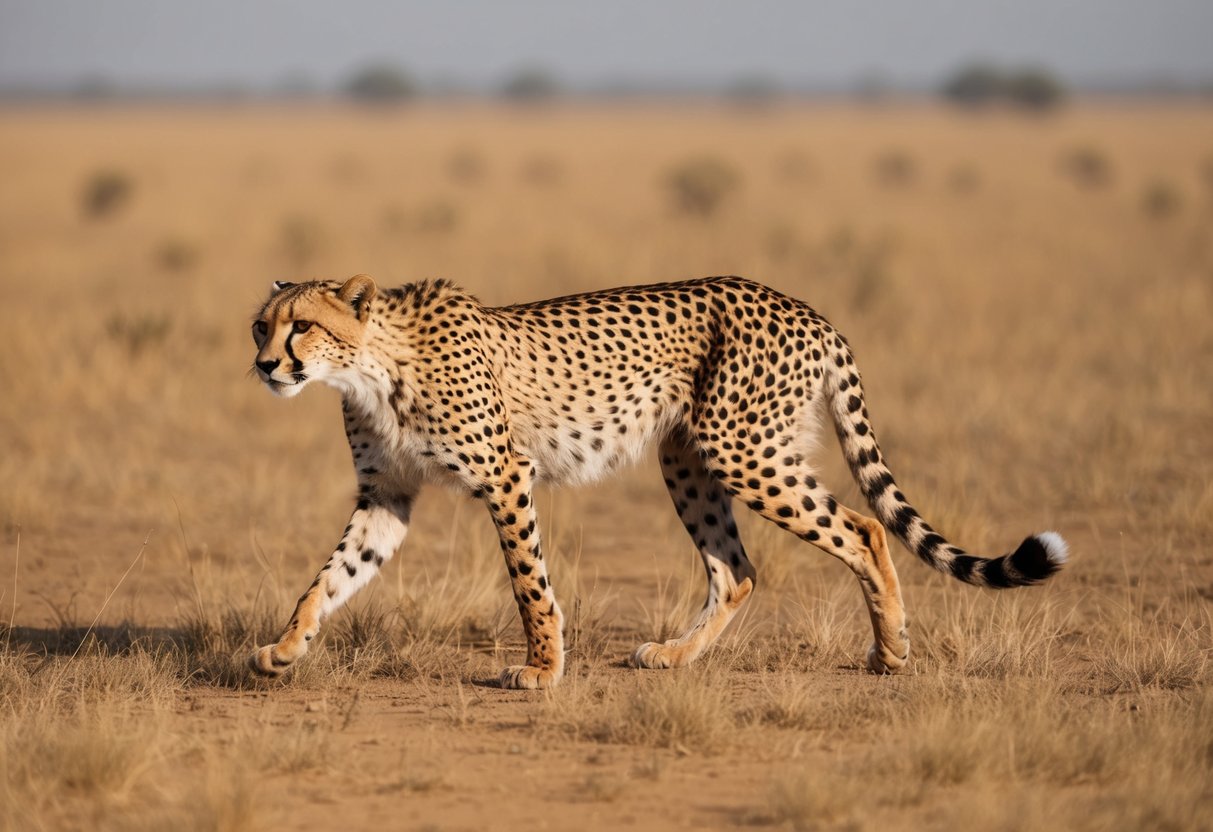
Efforts to save the cheetah in India have been focused on reintroduction and partnerships with various nations. There are several critical factors affecting their survival that need attention.
Project Cheetah and Partnerships
Project Cheetah aims to reintroduce cheetahs into the wild, bringing them from Namibia and South Africa. This ambitious project marks a historic effort to restore a species that has been absent for nearly 70 years in India.
In addition, partnerships with organizations from other countries are vital. For example, support from South Africa and Namibia helps provide expertise and resources. Collaborations extend to various wildlife conservation organizations, ensuring more effective management of the cheetah population.
Gandhi Sagar Wildlife Sanctuary and Kuno National Park have become key areas for cheetah conservation. These protected areas offer safe habitats for cheetahs, while also striving for ecological restoration.
Critical Factors in Cheetah Survival
Cheetahs face several challenges in their new habitat. One major issue is habitat loss due to human activities. As forests and grasslands diminish, cheetahs struggle to find space to roam and hunt.
Another concern is the decline in their prey base. The recent report shows a significant drop in the number of chital, which is a primary food source. This decline can affect their ability to thrive.
Additionally, it is crucial to focus on raising awareness about the cheetah as an endangered species. Involving local communities in conservation efforts can help protect their habitat while also addressing human-wildlife conflict.
Cheetah Population Dynamics
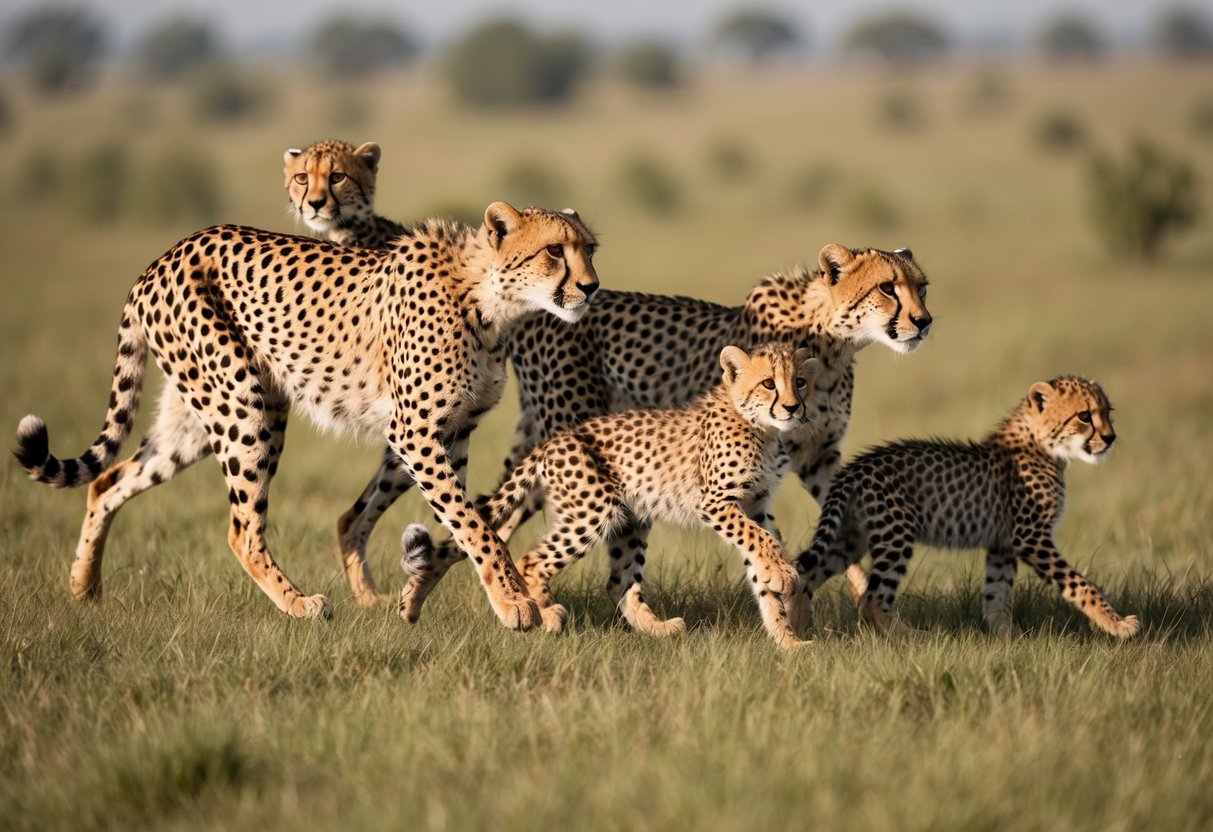
Understanding the dynamics of the cheetah population in India involves examining how they are monitored and managed, as well as the vital role of their prey base for survival.
Monitoring and Managing the Cheetah Population
Monitoring cheetah populations is crucial for their survival, especially in India. Conservation programs track both adult and cub numbers. This helps in identifying population trends and threats.
Technologies like GPS collars enable wildlife agencies to observe their movements. This data helps formulate strategies for habitat management.
Effective management also includes breeding programs. These encourage the growth of the cheetah population. Focus is placed on protecting cheetah cubs, as they face high mortality rates.
In India, the cheetah population consists mainly of the African cheetah (Acinonyx jubatus venaticus), which was reintroduced after being extinct for decades. Monitoring efforts can provide insights into the population’s health and growth.
The Role of Prey Base in Cheetah Survival
The prey base directly affects cheetah survival rates. Healthy populations of prey animals are essential for adult cheetahs and their cubs.
Cheetahs primarily hunt small to medium-sized ungulates, such as gazelles. If prey populations decline, cheetahs may struggle to find enough food. This can lead to higher rates of malnutrition and cheetah deaths.
In regions where African and South African cheetahs roam, prey availability determines their hunting success. Conservation strategies must consider preserving prey habitats to support the cheetah population.
You can see how intertwined the survival of cheetahs is with the health of their environment. Without a stable prey base, the chances of successful cheetah births and the overall cheetah population in India face challenges.


