
Let’s get right to it: most common tree squirrels stay pregnant for around six weeks, usually about 42–46 days.
Knowing this short timeline helps you figure out when nests are active and when it’s best to leave them alone.

If you’ve ever watched a squirrel hiding nuts and wondered what else goes on in its life, you’re not alone.
This post will walk you through the full timeline, from mating to when the babies leave the nest.
You’ll pick up clues that show a female is expecting, see what happens during birth and early care, and get why timing matters if you want to avoid causing problems for wildlife.
You’ll also find some tips on spotting nesting behavior, understanding the two breeding seasons, and knowing when young squirrels are ready to head out on their own.
How Long Is a Squirrel Pregnant?

Most tree squirrels carry their young for about six weeks.
The timing changes a bit depending on the species, but this short gestation means many females can have two litters each year.
Typical Pregnancy Duration by Species
Eastern Gray Squirrels usually stay pregnant for about 42 to 46 days.
That’s the same gray squirrel you see in parks and neighborhoods.
Fox Squirrels follow a similar schedule, often around 44 days.
Smaller tree squirrels may have a slightly shorter pregnancy, and ground squirrels can be a little different.
Most tree squirrels have 2–4 babies per litter.
Pregnancy ends quickly compared to bigger mammals, so if you spot nesting behavior in late winter or spring, you might see babies within six weeks.
For more details on gray squirrels, check out this gestation in gray squirrels.
Squirrel Gestation Explained
Gestation in squirrels starts right after mating, when the egg implants, and ends when the babies are born.
You’ll notice physical and behavioral changes as the due date gets closer.
Kits arrive blind, hairless, and totally dependent on their mom.
That’s why mothers work hard to build warm, cozy nests called dreys or find tree cavities for shelter.
Typical milestones:
- Conception to birth: about 42–46 days
- Babies: born blind and hairless
- Eyes open and they start exploring at 4–6 weeks
If you know these stages, you’ll know when to avoid disturbing a nest.
Disturbing too early can separate the mother from her helpless babies.
Factors Influencing Squirrel Pregnancy Length
Nutrition plays a small role in pregnancy length.
A well-fed female usually sticks to the normal schedule, but poor nutrition can delay things or lower the chances of the litter surviving.
Age also counts—yearling females often have fewer or smaller litters than older squirrels.
Weather and local food supply can change whether a female has one or two litters in a year.
Human activity matters too.
If a nest gets destroyed or disturbed, the female has to rebuild, which can shift the timing.
Disease or parasites might lower the number of surviving babies, but don’t usually change how long gestation lasts.
When you’re dealing with attic or yard nests, keep these factors in mind.
If you need to remove or exclude squirrels, check for nesting signs and try to estimate how long the nest has been there.
Squirrel Reproduction and Birth Cycle
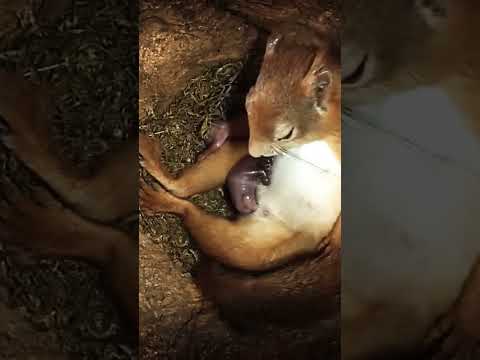
Here’s what you need to know about when squirrels breed, how to spot a pregnant female, what to expect for litter size, and where moms usually build their nests.
You’ll get the signs, timing, and nesting choices so you can recognize what’s going on and act responsibly.
Squirrel Breeding Season Overview
Most tree squirrels breed twice a year.
In temperate areas, mating happens in late winter and again in early summer.
The first breeding season usually runs from December to February, with babies showing up in March or April.
The second mating period goes from June to August, and those babies are born in August or September.
Gestation for tree squirrels is about 40–45 days.
Some ground squirrels only breed once a year after they come out of hibernation, and their pregnancies might be a bit shorter.
Timing shifts with geography—squirrels in the south breed earlier than those up north.
Recognizing Signs of a Pregnant Squirrel
Watch for a squirrel making repeated trips to the same nesting spot.
A pregnant female will carry leaves or twigs and head into an attic, tree cavity, or drey more often than usual.
You might hear more scratching or even soft chirping from inside walls or the roof.
Visually, a pregnant squirrel can look heavier and move a bit slower.
She often grooms less and stays closer to her nest, skipping long trips.
If you spot a nest, pay attention to how often the adult returns—frequent visits during the day probably mean babies are on the way.
Litter Size and Baby Squirrels
Most litters have 2–5 babies, though experienced moms usually have four.
First-time mothers tend to have fewer babies.
If a female has two litters in one year, she could end up raising 4–10 kits total.
Newborns arrive hairless, blind, and weighing less than an ounce.
Fur grows in after the first two weeks, and their eyes open at about 4–5 weeks.
Young squirrels leave the nest at around 10–12 weeks, once they can climb and find food on their own.
If you see a single baby squirrel on the ground, watch from a distance for a few hours—sometimes mothers leave their young alone while they forage.
Nesting Behaviors and Dreys
Squirrels look for warm, sheltered spots—think tree cavities, leaf nests called dreys, attics, or even wall voids. Dreys, those round bundles of leaves and twigs, usually measure about 6–12 inches across.
You’ll often spot them tucked into forked branches or hidden deep in thick foliage. When they can, mothers go for cavities since they offer a bit more protection.
A mother squirrel might use several nests while raising her young. She’ll sometimes move her kits between a drey and a cavity if something spooks her or the weather suddenly shifts.
If you think you’ve got a nest in your attic, don’t rush to seal up any entry points while the young are still inside. Trapping or blocking them out can separate mothers from their babies, which never ends well. Want to know more about when squirrels have babies and what to expect? Check out this guide: when squirrels have babies.


