
You can absolutely hunt squirrels in the rain and still have a solid day—if you pick the right conditions and bring the right gear. A light or steady drizzle usually keeps other hunters at home, quiets your footsteps, and leaves squirrels active near their nests.
Hunting in light rain gives you quieter woods and fewer people to compete with, so it’s worth a try.

You’ll want to think about wind, how hard it’s raining, and whether you can see or hear movement before you head out. Let’s dig into how weather changes squirrel behavior, what to watch for, and some gear and techniques that keep you dry, safe, and effective when it’s wet out.
Key Factors to Consider for Squirrel Hunting in the Rain

Think about how rain changes squirrel movement, your gear needs, shot opportunities, and safety before you go. Sometimes, the little choices—when you head out, what you wear, and how heavy the rain is—make the biggest difference.
How Rain Affects Squirrel Behavior
Rain tends to make squirrels quieter and keeps them closer to their nests. Fox squirrels and red squirrels usually shelter during heavy storms but will leave their dens if it’s just a drizzle or right before the rain starts.
Wet leaves and branches change how squirrels move. You’ll see them hop lower to the ground or stick to thicker limbs, which means your shooting angle changes. Since rain muffles squirrel sounds, you can’t just listen for rustling. Instead, look for recent droppings, chewed bark, or fresh nut piles to find the busy spots.
Timing is everything. Squirrels often get active an hour or two before it rains and again when the drizzle lets up. Keep an eye on the wind—gusts push squirrels into thicker cover and make it harder for you to see.
Pros and Cons of Hunting in Wet Conditions
Pros:
- Fewer hunters are out, so there’s less competition and the game stays calmer.
- Soft, soaked ground lets you move quietly without all the crunchy leaves underfoot.
- Light rain can make squirrels bolder, which means more close shots.
Cons:
- Heavy rain and wind drown out squirrel sounds and make it harder to see, so shots get tricky.
- Gear can fail—scopes fog up, rifle actions stick, and wet clothes chill you fast.
- Wet branches drop water when squirrels move, which can spook them if the rain picks up.
Consider what kind of squirrels you’re after. Fox squirrels hang out higher in the canopy and get tougher to spot in heavy rain. Red squirrels usually stick to dense cover and might not move much if it’s windy and wet.
Best Types of Rain for Hunting Success
Light drizzle or a steady, mild rain offer the best odds for a good hunt. Squirrels still forage in light rain, and the noise helps you sneak in closer. Early-morning mist or drizzle often draws squirrels out after they’ve eaten before the rain.
Skip the heavy downpours, thunderstorms, or winds over 10 mph. Those conditions send squirrels deep into cover and make it tough to shoot or track. If you get intermittent showers with clear breaks, wait for the rain to ease up before you move and take shots.
Match your gear to the weather: waterproof optics, a scope cover, and quiet, water-resistant clothing help a lot in light rain. Bring a small shelter or sit in dense cover so you can wait out heavier spells if you need to.
Ethical and Safety Considerations
Always put safe shots and humane kills first, especially in wet weather. Wet fur and thick branches can deflect or slow down your shot. Only pull the trigger if you’ve got a clear path and the squirrel is close enough—no one wants to wound an animal.
Take care of your gear and yourself. Wipe down your gun and give it a good cleaning after the hunt so it doesn’t rust. Wear layers and a waterproof shell to keep warm and dry. Use a non-slip stance on wet slopes and stay off exposed ridges during lightning.
Respect local rules and other hunters. Rain dampens sound, so announce yourself more often when moving around. If things get unsafe or there’s a risk of causing suffering, just call it and wait for better weather.
Essential Tips and Gear for Rainy Squirrel Hunts
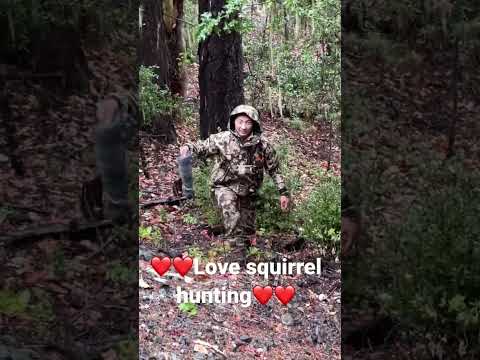
You really need dry feet, quiet movement, and gear that works when it’s wet. Focus on waterproof boots and a good pack, use calls sparingly, and take care of your firearm so it doesn’t jam after the hunt.
Choosing the Right Waterproof Equipment
Pick waterproof hunting boots with ankle support and a grippy sole. Rubber or fully seam-sealed boots keep your feet dry and help prevent blisters.
If it’s warm, roll down neoprene liners or pick breathable rubber hybrids to avoid sweating.
Use a waterproof backpack rated at least IPX6, or at least cover your pack with a seam-sealed rain cover. Stash your extra clothes and gear in dry bags inside your pack so things like your rangefinder, map, and spare ammo stay dry.
Wear quiet outer layers—soft nylon or quiet PU coatings are best for stealth. Skip those loud hardshells if it’s just a light shower; a quiet, hooded jacket with taped seams usually does the trick. Bring a small microfiber towel and some zip-top bags for your optics caps.
Effective Techniques for Tracking and Spotting Squirrels
Rain softens the ground and masks your footsteps, so you can move with more confidence on wet leaves and branches. Just keep an eye out for wind and heavy downpours—those will stop squirrel movement in a hurry.
Cover more ground in short bursts to find the spots where squirrels are still active. Watch for movement: wet leaves drip when a squirrel steps, so scan the canopy for falling drops or sudden leaf showers.
Try short-range squirrel calls or soft pishes to get their attention, but skip the loud yips—they don’t carry well in the rain.
Carry a compact spotting scope or a low-power waterproof binocular. Keep your optics capped when you’re not using them, and wipe the lenses with a microfiber cloth if they get wet. Wear muted, high-contrast clothing to help your eyes spot dark squirrels against all that wet greenery.
Maintaining Firearms and Gear After the Hunt
Wipe down metal surfaces as soon as you can. Grab a clean, lightly oiled cloth and get rid of any water.
Dry out jointed parts right away so rust doesn’t set in. If you’ve got a bolt or pump action, open up the action and wipe inside.
Rub a thin layer of protectant onto any moving parts. Don’t forget about the little spots that collect grime.
Clean scopes and iron sights with a microfiber cloth. Skip the harsh solvents—they’re rough on lens coatings.
If you use an air rifle or rimfire, mop up any extra moisture from the breech and stock. This helps prevent swelling or corrosion, which is never fun to deal with later.
Toss your ammo in a dry bag before you leave the field. It’s just not worth risking soggy cartridges.
Hang up packs and clothing so they dry out completely before you stash them away. Damp gear smells terrible and can ruin your next trip.
Treat leather or special fabrics with the right conditioner. That keeps seals in good shape for the long haul.
If you used an electronic call or GPS, pop out the batteries and dry off the contacts. Put everything back together once it’s good and dry.


