
Most squirrels can make it just a few days without water—adults usually last about 2–3 days, and the little ones even less. Dehydration sets in quickly and can do real damage, so water matters way more than missing a meal.

If you see a squirrel that looks thirsty or you’re worried about a trapped animal, this post will help you spot dehydration and know what to do. You’ll find out when things get urgent and how to help fast—without putting yourself or the animal in danger.
How Long Squirrels Live Without Water
Squirrels don’t last long without water. Usually, they make it just a few days.
Temperature, recent food, and the squirrel’s size all affect how quickly dehydration happens.
Factors Affecting Survival Time
Hot weather speeds up water loss. When it’s dry and warm, a squirrel can get dangerously dehydrated in just 24–48 hours.
Panting and being active make them lose even more water. If it’s cooler and humid, they might last closer to 3–5 days if they’re healthy adults.
What they eat changes things too. Squirrels that munch on juicy foods—like fruits, tomatoes, or fresh greens—get some water from their meals.
If they only eat dry nuts or seeds, they dry out faster. Even tiny puddles, birdbaths, or melting snow help a lot.
Stress and injuries push up their water needs. If a squirrel feels trapped, hurt, or scared, it’ll dry out faster.
Pregnant or nursing females need extra water and run into trouble sooner if they don’t get it.
Impact of Age and Health on Dehydration
Young squirrels dry out much quicker than adults. Babies that depend on milk can get dangerously dehydrated in just 24 hours without mom.
Juveniles last a little longer, but not as long as grown squirrels.
If a squirrel is sick, dehydration comes on fast. Infections, parasites, or injuries make them lose fluids quickly.
You might see sunken eyes, sluggish movement, or dry gums. Old squirrels with kidney problems or other health issues can’t hold onto water as well and don’t survive as long without it.
If you find a weak or very young squirrel, don’t give it cow’s milk. It’s best to reach out to a wildlife rehabber or animal control for advice.
Comparison to Survival Without Food
Squirrels last longer without food than water. Healthy adults might go about 8 days without eating, but water loss hurts them much faster.
Young squirrels might only make it 4–5 days without food, and babies need milk often. If a squirrel only has food but no water, it still risks quick dehydration.
If it has water but not much food, it can live longer by burning body fat or eating from its stash. If you’re helping a dehydrated squirrel, always offer water first.
For more details on how long squirrels can go without food and water, check out this page: how long squirrels can live without food and water.
Dehydration in Squirrels: Signs and Risks
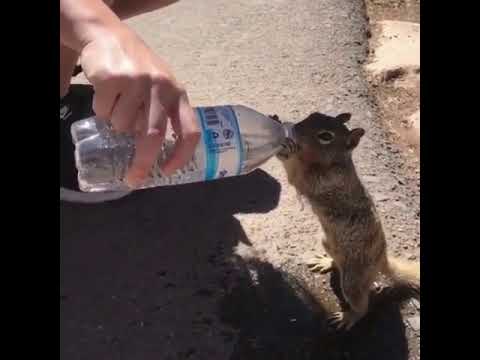
Squirrels lose water fast in heat, after getting hurt, or if they eat salty food. You should watch for changes in how they act, their body tone, and how they breathe.
Early action really helps.
Recognizing Signs of Dehydration in Squirrels
A dehydrated squirrel moves less and might just sit still, not climbing like usual. Their eyes can look sunken or dull.
Check their gums—they might feel dry or sticky, and their mouth won’t look moist.
You can test skin elasticity by gently pinching the loose skin at the shoulder. If the skin stays up or drops back slowly, that’s a sign of fluid loss.
Watch for fast, shallow breathing or panting. In young squirrels, you might see weakness or a wobbly walk.
If a squirrel’s dehydrated, it probably won’t eat much either.
If you spot these signs, move the squirrel to shade and offer some clean, shallow water. Don’t force big gulps; just give small drops every few minutes to keep it safe from choking.
Consequences of Severe Water Loss
If a squirrel loses more than about 10% of its body water, its organs start to fail. This kind of dehydration can set in surprisingly fast—sometimes within just 1 to 3 days. Age, temperature, and how active the squirrel is all play a role. Young squirrels and injured adults get into trouble even quicker.
Severe dehydration brings on collapse, confusion, and cold paws or tails. Blood pressure drops, and the heart tries to compensate, which can push the animal toward shock. Without quick rehydration, the kidneys can take a hit, and honestly, death isn’t far behind. If you notice a squirrel collapsing, not responding, or breathing heavily, it’s time to call a wildlife rehabilitator or animal control. Don’t wait.
Offering fluids at home might help with mild dehydration, but it’s not enough in serious cases. Professionals know how to provide the right fluids and warmth, which usually makes all the difference.


