
When you decide to have your male dog neutered, you may wonder how long it will take for him to settle down afterward. Typically, male dogs start to show calmer behavior between a few weeks to a few months after the procedure. This change is largely due to the decrease in hormones like testosterone, which often drive certain behaviors.

As a pet owner, understanding the timeline can help ease your concerns during this adjustment period. You may notice a significant drop in things like marking territory, roaming, or even aggressive tendencies toward other dogs. Every dog is unique, and factors such as age, breed, and personality can influence how quickly he calms down.
While waiting for your furry friend to adapt, it’s important to be patient and supportive. You are not only helping him transition physically but also emotionally. Knowing what to expect can make this journey smoother for both of you.
Understanding Neutering and Its Purpose

Neutering is an important procedure for male dogs that helps with behavior and health. This section explains what neutering involves and the medical benefits it provides.
What Is Neutering?
Neutering is a surgical procedure where a male dog’s testicles are removed. This procedure makes your dog sterile, meaning he can no longer reproduce. Veterinarians commonly perform it under anesthesia in a safe environment.
The surgery typically takes around 30 minutes to an hour. After neutering, your dog may need some time to recover at home. The removal of the testicles leads to changes in hormone levels, which can influence behavior and energy levels over time.
You may notice that your dog becomes calmer, and certain unwanted behaviors may decrease. This includes less aggression and roaming. Neutering is a responsible choice for pet owners who want to help control the pet population and improve their dog’s behavior.
Medical Benefits of Neutering Dogs
Neutering has several health benefits for your dog. It can significantly lower the risk of testicular cancer since the testicles are removed. This means your dog will be healthier and have a reduced chance of developing serious conditions.
Additionally, neutering helps prevent prostate problems, which are common in older dogs. Conditions like benign prostatic hyperplasia can affect comfort and quality of life. By neutering, you may reduce the likelihood of such medical issues.
Many studies support the idea that neutering contributes to a longer, healthier life for your pet. You’ll not only help improve his behavior but also protect his overall health and well-being as he ages.
The Neutering Procedure and Aftercare
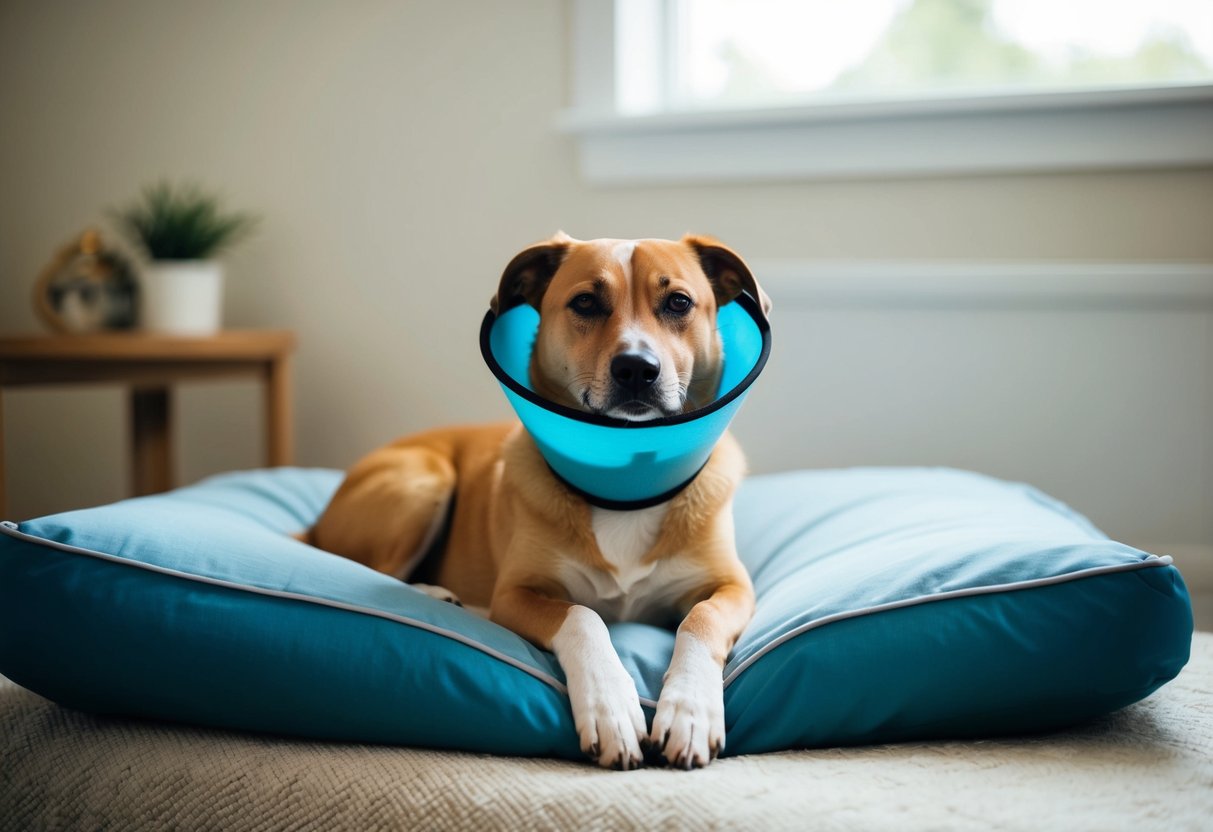
When considering neutering your male dog, it’s important to understand both the surgical process and the aftercare required for a smooth recovery. This helps to ensure your pet heals well and adjusts to any changes after surgery.
Preparation and the Surgical Process
Before the surgery, your veterinarian will conduct a thorough examination to ensure your dog is healthy enough for the procedure. This may include blood tests or other diagnostic tests. It’s also crucial that your dog is fasting for several hours prior to the neuter surgery.
During the surgical process, the veterinarian will administer anesthesia to keep your dog comfortable. The procedure usually lasts about 30 minutes to an hour. The vet will make a small incision in the scrotum to remove the testicles. After the surgery, the incision is closed with sutures that will dissolve over time.
Post-Operative Recovery and Pain Management
After surgery, your dog will need a quiet place to recover. It’s best to keep them indoors and limit their activity for the next few days. Watch for signs of distress, such as excessive whining or licking at the incision site.
Pain management is important in this recovery phase. Your vet will often prescribe pain relief medication to help minimize discomfort. It’s essential to give this medication as prescribed.
You should check the incision site daily for signs of infection, such as redness or swelling. An Elizabethan collar may be recommended to prevent your dog from licking the area. With proper care, your pup can recover comfortably and adjust to the hormonal changes from being neutered.
Behavioral and Physical Changes in Neutered Dogs

After neutering, many dogs experience notable changes in both behavior and physical activity. Understanding these changes can help you support your pet during their adjustment period.
Hormonal Changes and Aggression
Neutering significantly lowers your dog’s testosterone levels. This drop in hormones can lead to reduced aggression and territorial behavior. You might notice your dog becomes less likely to mark their territory and may not show as much interest in roaming.
Aggressive behaviors that may have previously been common can decline. While some dogs calm down soon after surgery, for others, it might take weeks or even months. For a smoother transition, provide positive reinforcement for calm behavior and be patient as your dog adjusts.
Impact on Activity Level and Weight
Activity levels often change post-neutering. With lower energy from reduced hormones, some dogs may seem less active. It’s important to encourage regular exercise to keep your dog healthy.
Be aware that a decrease in physical activity can lead to weight gain, resulting in obesity if not managed. Focus on maintaining a balanced diet along with daily walks or playtime. Monitoring your dog’s weight and adjusting their food intake might be necessary to prevent unwanted pounds as they settle down after neutering.
Best Practices and Considerations for Neutering

Neutering your male dog is an important decision. Knowing the best age to neuter and what to expect afterwards will help you prepare for this process.
Determining the Best Age to Neuter
The best age to neuter a male dog often varies depending on his breed and size. Traditionally, many veterinarians recommend neutering between 6 to 12 months.
Larger breeds may benefit from waiting until they are 12-18 months old. This allows for proper growth and hormone development.
If you’re unsure, consult your vet to determine the right time for your dog. Neutering too early can lead to complications like joint issues.
Remember, it’s also not too late to neuter a dog, even if he’s older. Dogs can still benefit at any age, but discuss potential risks with your vet.
Expectations and Common Concerns
After neutering, you may have concerns about your dog’s recovery. Most dogs will need several days to fully settle down.
Some behavior changes are normal, like reduced aggression or roaming. It can take a few weeks to months for hormones to balance.
Common complications include swelling, infection, or pain. Watch for signs like excessive licking at the incision site.
Ensure your dog gets plenty of rest and follows your vet’s care instructions closely. Pay attention to your dog’s appetite, as it may be off for 48 hours.


