
Ever wondered how long honey bees actually live? Well, it depends on which bee you’re talking about.
Queen bees usually stick around for three to five years, worker bees last just a few weeks, and drones die not long after mating with the queen. Each bee has a unique job in the hive, and that job shapes how long they get to buzz around.
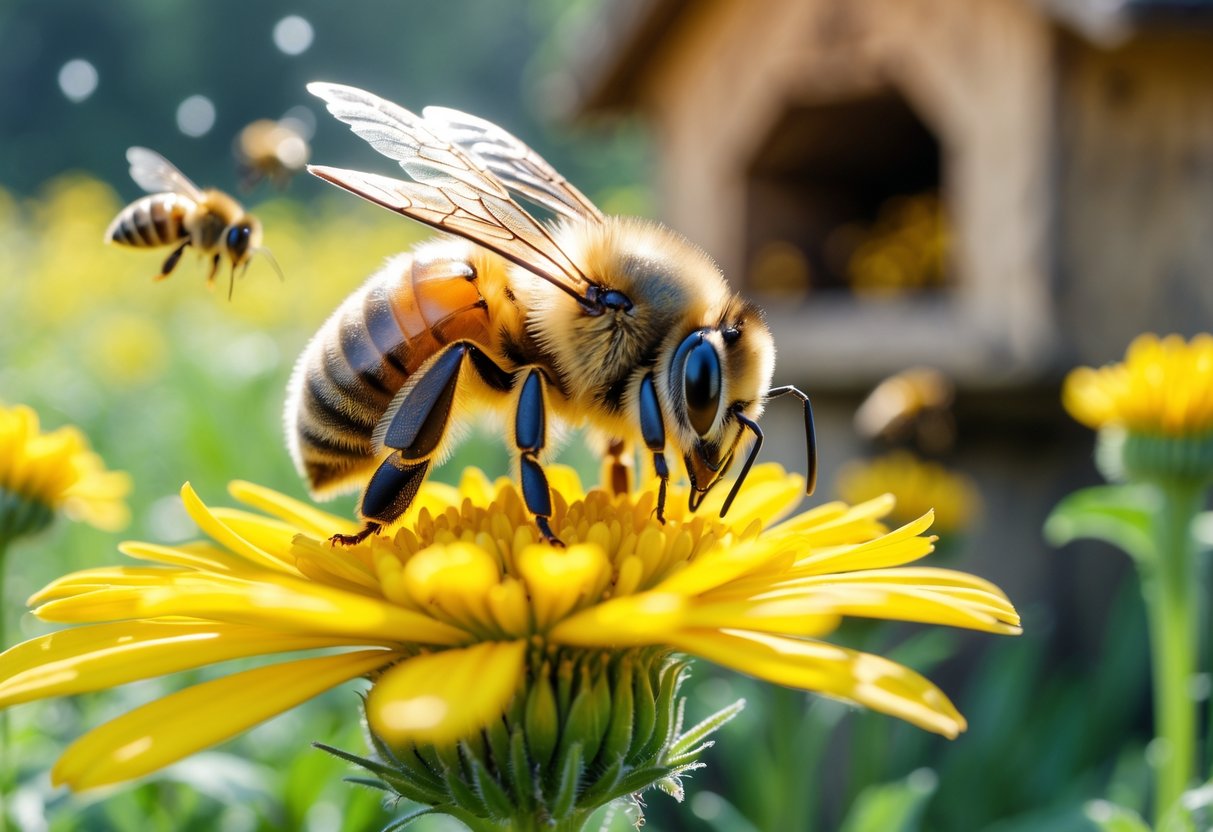
If you’re curious about honey bee lifespans, you might be surprised by how much it varies. Worker bees born in the summer work themselves out in about six weeks, but if they’re born during cooler months, they can last for several months.
These differences really highlight just how delicate and balanced life inside a beehive is. Every bee’s lifespan matters for the whole colony.
Honey Bee Lifespan by Caste

Honey bees don’t all live the same amount of time—it really comes down to their role. Queens can last for years, workers usually get weeks or months, and drones have a super short life that’s all about mating.
Queen Bee Longevity
The queen bee outlives everyone else in the hive. She can live 3 to 5 years if she stays healthy.
Her royal jelly diet keeps her growing and fertile. Unlike the others, she spends her days laying eggs and doesn’t do much else.
The queen’s ability to lay eggs keeps the whole hive going. If you’ve got a strong queen, your hive stands a much better chance of making it through the years.
Worker Bees: Summer and Winter Lifespans
Worker bees don’t all live the same amount of time. In summer, they last just 4 to 6 weeks because they work themselves ragged collecting nectar and pollen.
These summer workers wear out fast. In winter, though, worker bees can survive 3 to 6 months.
They stick close to the hive, keeping the queen warm and protecting everyone. Winter bees help the colony get through until spring, when a new batch of workers hatches.
Drone Bees Life Expectancy
Drone bees really draw the short straw. They live just 30 to 60 days, mostly during spring and summer.
Their only real job is to mate with a queen from another hive. After mating, they die right away.
If they don’t mate, the other bees usually kick them out before winter because the hive can’t afford any freeloaders when food gets tight. Their lives revolve around reproduction.
Want to dive deeper? Check out this page on the lifespan of honey bees.
Factors Impacting Honey Bee Lifespan
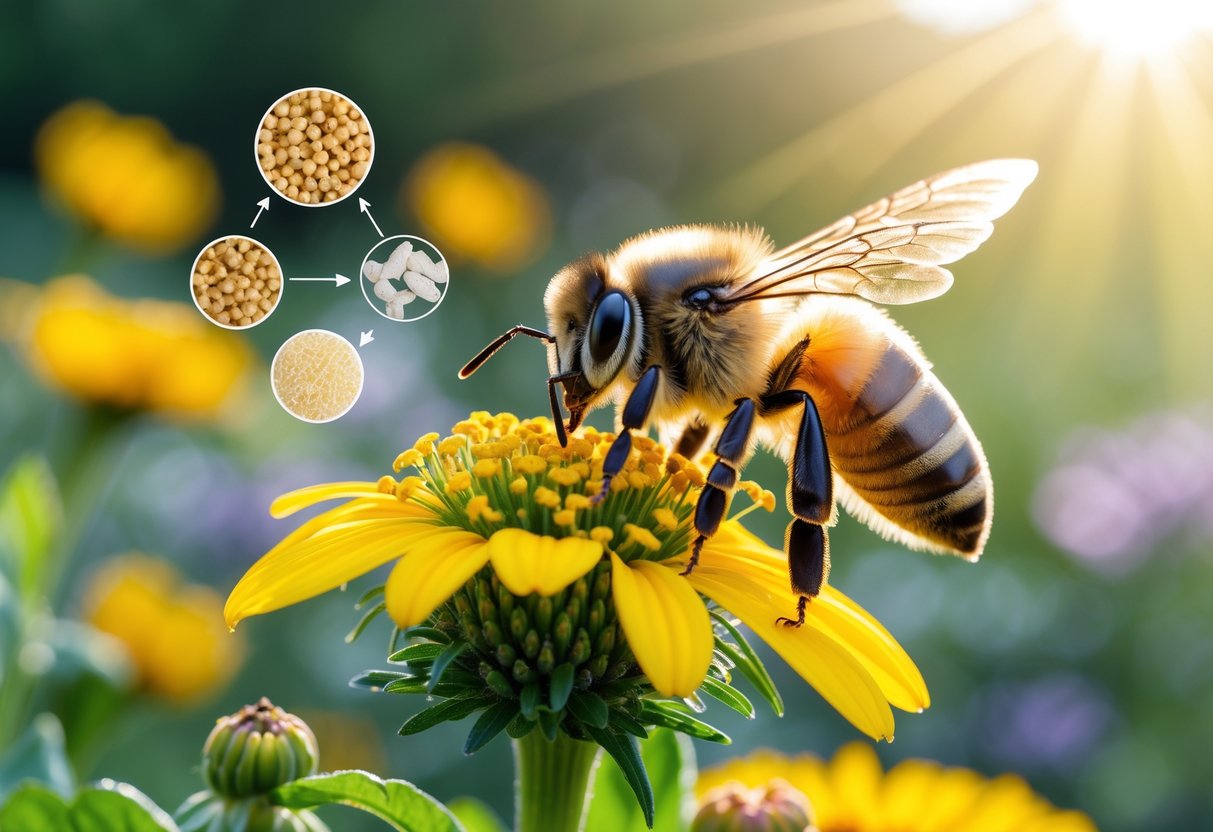
A bunch of things can affect how long honey bees stick around. Their food, health, outside conditions, and even how they stack up against other bee species all matter.
Nutrition and Food Sources
A bee’s diet makes a huge difference. Honey bees need nectar and pollen for energy and protein.
Nectar gives them sugars, while pollen adds protein, fats, and vitamins that help them grow and fight off sickness. If food runs low or isn’t great quality, worker bees just don’t last as long.
Good nutrition helps bees develop well and stay strong against diseases. Worker bees gather pollen and nectar, then bring it back to the bee colony for everyone to eat.
Seasons change how much food’s available. Bees living through winter eat stored honey and pollen, which helps some workers survive a lot longer.
Disease, Pests, and Bee Health
Bees have to deal with a lot of threats. One of the worst is the varroa mite, which latches onto bees and spreads nasty viruses.
Diseases like Nosema or American foulbrood can wreck a bee’s immune system and shorten their life. When pests and diseases hit hard, you might see colony collapse, where most bees die or just leave.
Managing hives well and controlling disease really helps bees live longer and keeps the colony buzzing.
Environmental and Seasonal Influences
The environment plays a big part in how long bees survive. Hot weather, pesticides, and pollution stress bees out or even poison them.
In summer, worker bees might only last 15 to 38 days since they’re out working and facing more risks. Cooler months mean bees can live 150 to 200 days because they mostly stay inside and rest.
Bad weather and pollution cut down food sources and expose bees to harmful stuff, which only makes their lives shorter.
Lifespan Comparison with Solitary Bees
Solitary bees like mason bees and leafcutter bees live in a way that’s honestly pretty different from honey bees.
Most solitary bees stick around for just a few weeks or maybe a couple of months. They don’t have a colony backing them up.
While honey bees split up the chores, solitary bees take on everything alone—nest building, food gathering, raising their young. That’s a lot for one little bee.
Because they don’t live as long, solitary bees depend on certain plants and just the right conditions. It’s kind of a delicate balance.
If you want to dig deeper, check out how honey bee lifespans vary by caste and environmental factors.


