
Ever spot a giraffe and wonder how long that ridiculously long neck will tower over the savanna? Most giraffes live about 20 to 25 years in the wild, but under human care, they often make it to 25 or even 30. That’s the short version, but there’s a lot more going on beneath the surface.

So, what actually shortens or extends a giraffe’s life? Predators, environment, and how much care they get in zoos or sanctuaries all play a part.
Let’s dig into how calves survive, what adults face, and why some giraffes beat the odds.
How Long Do Giraffes Typically Live?
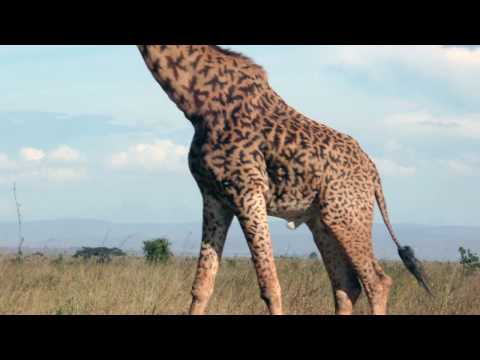
Wild giraffes often make it into their mid-20s, and some in zoos reach their 30s. A lot depends on species, where they live, what they eat, and what threatens them.
Average Lifespan in the Wild
Most wild giraffes live around 20 to 25 years. Calf survival makes a huge difference—many Masai giraffe calves don’t make it past the first year, which drags down average lifespan for that group.
Adults that dodge predators can stick around into their mid-20s. Predation, drought, and disease all cut lives short.
Lions sometimes take down adults, but hyenas, leopards, wild dogs, and crocodiles mostly go after calves. When food runs low during dry seasons, giraffes get weaker and mortality jumps.
Studies in different regions show some surprising results. Researchers in northwest Namibia have tracked Angolan giraffes that outlive the usual 25-year estimate, so local conditions really matter.
Lifespan Differences Between Wild and Captivity
Giraffes in captivity usually live longer. Zoos and sanctuaries with good management see giraffes hitting 25 to 30 years, and some even push into their mid-30s.
In captivity, they get regular meals, vet care, and don’t have to worry about predators. That means more calves survive and adults face fewer threats.
Of course, captivity isn’t perfect. Giraffes can develop joint problems or get stressed if their housing or social groups aren’t right.
Captivity removes natural dangers but sometimes introduces new health issues. If you’re curious about exact ages, check records from individual facilities.
Variation Among Giraffe Species
Different giraffe species and populations have their own lifespans. Masai, reticulated, northern, southern—each faces unique threats and lives in different habitats.
Masai giraffes in areas with lots of predators lose more calves than Angolan or southern giraffes in safer reserves. Reticulated giraffes have their own challenges, too.
If you’re following a certain group, local studies give the best info. Species averages don’t always show the big swings caused by poaching, habitat loss, or conservation successes.
What Influences How Long Giraffes Live?

A giraffe’s lifespan really depends on predators, how tough their first year is, and what kind of protection or food they get—especially in captivity.
Calf survival, adult defense, disease, and what humans do all shape how long a giraffe lives.
Threats and Predators Impacting Lifespan
Predators hit giraffes hardest when they’re young. In places like the Serengeti, tons of newborns don’t make it past a few months; about half of Masai calves die before six months.
Lions sometimes kill adults, but hyenas, leopards, wild dogs, and crocodiles mostly go after calves and subadults.
Adult giraffes can kick with enough force to injure or even kill lions. Still, when habitat shrinks, giraffes and predators cross paths more often.
Poaching and conflict with people cause deaths and raise stress, making giraffes more vulnerable to disease.
Life Cycle: From Calf to Adulthood
That first year is brutal. Newborn giraffes get separated or picked off by predators within weeks.
If a calf survives its first year, its odds of making it to adulthood jump way up. Young giraffes grow fast and hit sexual maturity around 3–5 years.
Males usually have it rougher later on—they fight more and wander farther looking for mates. Females tend to live longer since they stick with herds and avoid risky fights.
Role of Conservation in Giraffe Longevity
Conservation programs really help. Protected areas lower predator pressure and keep water and food available, so more calves and adults survive.
Groups like the Giraffe Conservation Foundation track wild Angolan giraffes and have found some living longer than anyone expected.
Zoos and sanctuaries help too by managing disease, feeding giraffes well, and treating injuries. But it’s crucial to manage captive conditions carefully—stress and hard flooring can cause joint problems if keepers aren’t careful.
Oldest Recorded Giraffes
Captive giraffes usually make it into their late 20s, sometimes even their early 30s. Some of the oldest giraffes in human care actually reached around 31 years.
Researchers studying Angolan giraffes in northwest Namibia have spotted individuals living much longer than people once thought possible. It’s kind of surprising, honestly.
If you want a giraffe to have a shot at a long life, you’ll need to give it solid protection, a steady food supply, and keep an eye on its health. That’s when you start seeing those record-breaking ages.


