
If you’re a beagle owner, you might wonder how long your furry friend can safely enjoy the outdoors. Beagles are curious dogs that love to explore, but their comfort in colder temperatures is not the same as breeds that thrive in harsh winters.
When the temperature is above 32 degrees Fahrenheit (0 degrees Celsius), a beagle can stay outside for about 45 minutes to 1 hour while being monitored.
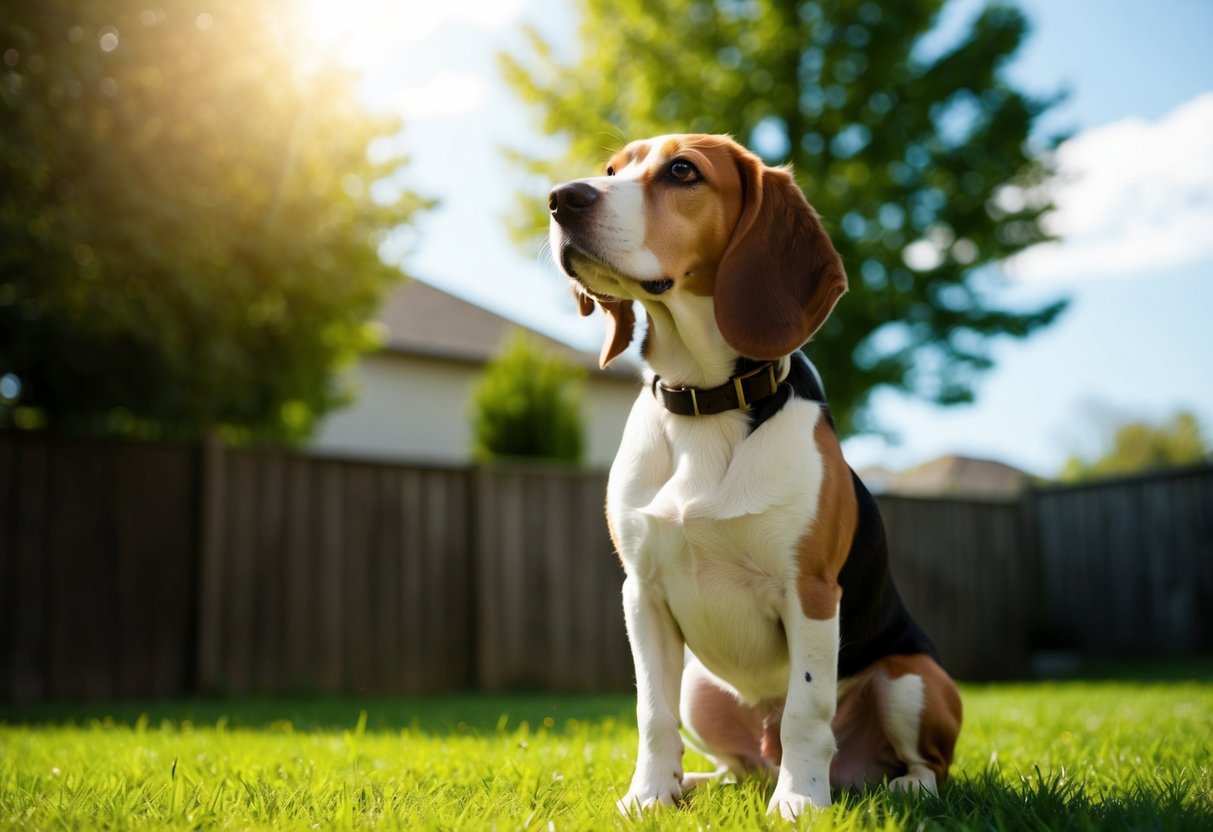
Understanding your beagle’s needs and limitations is important for their health and happiness. With their short coats, beagles can get chilly quickly, so it’s crucial to consider the weather conditions before letting them spend extended time outside.
Knowing how to keep them warm and safe will help you create a better experience for both you and your dog.
Stay tuned as we explore the optimal conditions for your beagle’s outdoor time and helpful tips for keeping them comfortable during those chilly months. Your beagle will thank you for it!
Understanding a Beagle’s Needs
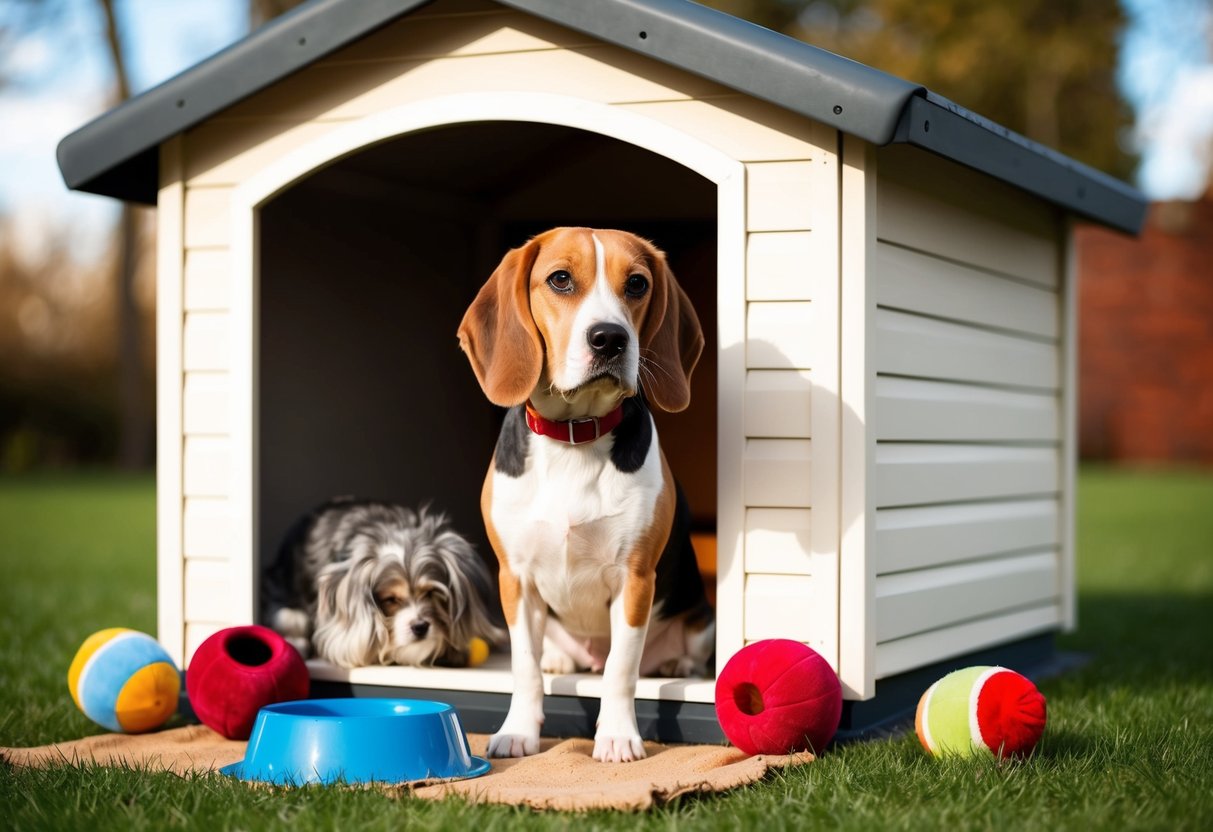
Beagles are active dogs that require specific care to thrive. They need both physical activity and mental stimulation, along with companionship to feel happy and healthy. It’s important to meet these needs to ensure your beagle stays content and engaged.
Physical Activity Requirements
Beagles need daily exercise to stay healthy. Aim for at least one hour of activity each day. This can include walks, runs, or playtime in a safe area. Beagles love to sniff and explore, so allow them time to engage their instincts.
Creating a routine helps, such as morning and evening walks. Engage in fetch or use toys that require running.
Keep in mind that beagles may run off if not monitored, so secure safe outdoor spaces are essential.
A few ideas for physical activities include:
- Walking: 45 minutes to an hour daily
- Playing fetch: A great way to burn off energy
- Agility training: Keeps them physically and mentally fit
Mental Stimulation and Companionship
Beagles are intelligent and curious dogs. They need mental challenges to prevent boredom. Activities like puzzle toys and obedience training can provide the stimulation they crave.
Social interaction is just as vital. Beagles are pack animals, meaning they thrive on companionship. Spend quality time with your beagle, whether it’s playing or just relaxing together.
Consider joining dog parks or training classes. This helps with social skills and provides exercise. You can also rotate toys to keep them interesting and encourage problem-solving.
Your attention and activities are key to helping your beagle stay happy and healthy.
The Impact of Weather on Beagles
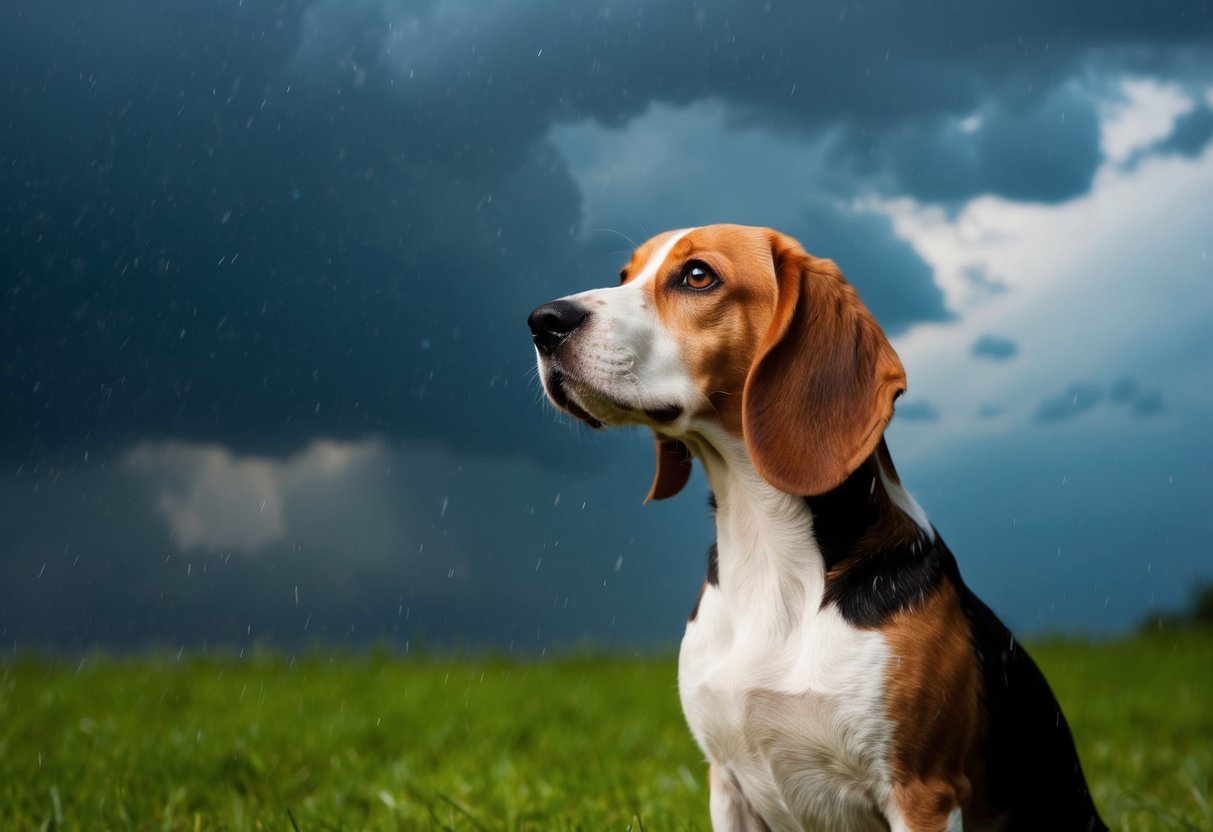
Weather plays a significant role in your beagle’s health and comfort. Understanding how to protect them in both cold and hot conditions is essential for their well-being, especially during extreme weather.
Protecting Your Beagle in Cold Weather
Your beagle’s short coat can make them sensitive to cold weather. When temperatures drop, it’s crucial to make sure they have a warm shelter. A well-insulated doghouse can help keep your beagle cozy.
You should also consider dog sweaters or jackets for added warmth. If you’re outside for a long time, ensure your beagle has a chance to come indoors to warm up.
Watch for signs of hypothermia, such as shivering and lethargy. If the temperature is below freezing, limit outdoor time to about 20 minutes. Always provide clean water, as freezing can cause dehydration.
Precautions During Hot Weather
In hot weather, beagles are at risk for heat stroke. As a responsible owner, you should never leave your beagle in a parked car, even for a short time. Always prioritize their comfort and safety.
During high temperatures, keep your beagle in shaded areas and provide plenty of clean water. You can offer frozen treats for added hydration and cooling relief.
Limit strenuous exercise to the early morning or late evening when it is cooler. Symptoms of heat-related issues can include excessive panting and drooling. Be alert to your beagle’s behavior and act quickly if you notice distress.
Extreme Weather Considerations
Extreme weather conditions can be hazardous for your beagle. Cold snaps and heatwaves pose serious risks. In such situations, keeping your beagle indoors may be the best choice.
If you must go outside, ensure you have a safe space for your beagle. This could include a secure area to prevent slips or falls in icy conditions.
For severe heat, consider using fans or air conditioning to keep your home cool. Monitor your beagle for any signs of discomfort during these extremes.
Health and Safety for Outdoor Beagles
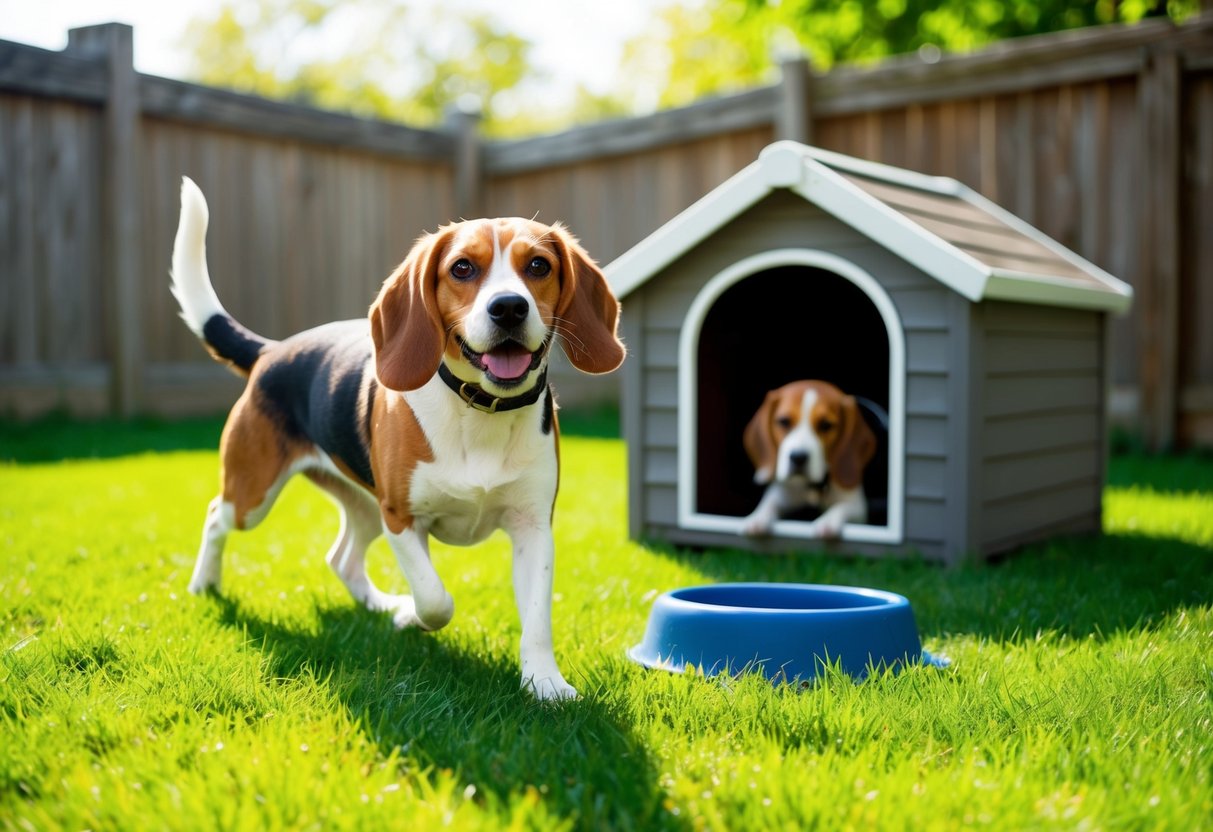
Taking care of a Beagle that stays outside involves serious attention to their health and safety needs. Ensuring your Beagle’s well-being means protecting them from health issues, outdoor elements, and potential interactions with wild animals. Here’s what you need to know.
Preventing Health Issues
Your Beagle can face several health concerns when living outside. Temperature extremes are a major factor. During cold months, Beagles are at risk for conditions like hypothermia and frostbite. Make sure to provide adequate shelter. Ideal dog houses have insulation and protection from wind and rain.
Regular vet check-ups play a vital role in keeping your Beagle healthy. Vaccinations, flea and tick prevention, and regular deworming are essential.
Keeping your Beagle’s ears, paws, and coat clean can also help prevent infections, especially when they spend a lot of time outdoors.
Safety from Outdoor Elements
Outdoor Beagles need protection from harsh weather conditions. Rain, snow, and extreme heat can affect their health. Ensure your Beagle has a shelter that is shaded and dry. During hot weather, provide plenty of water and the option to come inside to cool down.
You should also check your outdoor space for hazards. Remove toxic plants, sharp objects, or anything they might chew on. Fencing is crucial to keep your Beagle secure and prevent escape. Regularly inspect the area to ensure it’s safe for your curious friend.
Interaction with Wild Animals
Your Beagle’s outdoor life might lead to encounters with wild animals. This is important to consider for their safety. Beagles have a strong hunting instinct, which can lead them into dangerous situations.
Wildlife like raccoons, coyotes, or snakes can pose serious threats. Always supervise your Beagle while they’re outside. Consider building a sturdy, secure enclosure if you can’t be there to watch them.
Teach your Beagle to respond to calls. This training helps keep them safe if they spot wildlife and try to chase after it.
Managing a Beagle’s Behavior and Well-being

Keeping your Beagle happy and well-behaved requires understanding their unique needs. Addressing separation anxiety and managing behavioral issues are essential to ensuring your dog thrives.
Dealing with Separation Anxiety
Beagles are social animals and can suffer from separation anxiety when left alone. To help with this, start by gradually increasing the time you spend away from your dog. This helps them adjust to being alone.
While you’re away, provide engaging toys to keep them busy. Puzzle toys filled with treats can keep their minds occupied.
Consider using a crate to create a safe space, but make sure it’s comfortable and cozy.
You might also think about getting a second dog. Companionship can help ease feelings of loneliness and anxiety for your Beagle.
Addressing Behavioral Issues
Beagles can exhibit behavioral issues if they don’t get enough exercise or mental stimulation. Regular walks and playtime are crucial.
Aim for at least one hour of exercise each day. If your Beagle barks excessively or digs, it’s often a sign of boredom.
Incorporate training sessions to teach commands and reinforce good behavior. Interactive games like fetch or agility training can help channel their energy positively.
Providing structure and routine can also make a big difference in your Beagle’s behavior. Keep training sessions short and fun to maintain their interest.


