
Arctic foxes are more than just adorable creatures found in cold climates; they are also incredibly smart animals. They display remarkable intelligence through their problem-solving skills and adaptability, allowing them to thrive in harsh Arctic environments. Observing their behavior can reveal a lot about their cleverness and social skills.
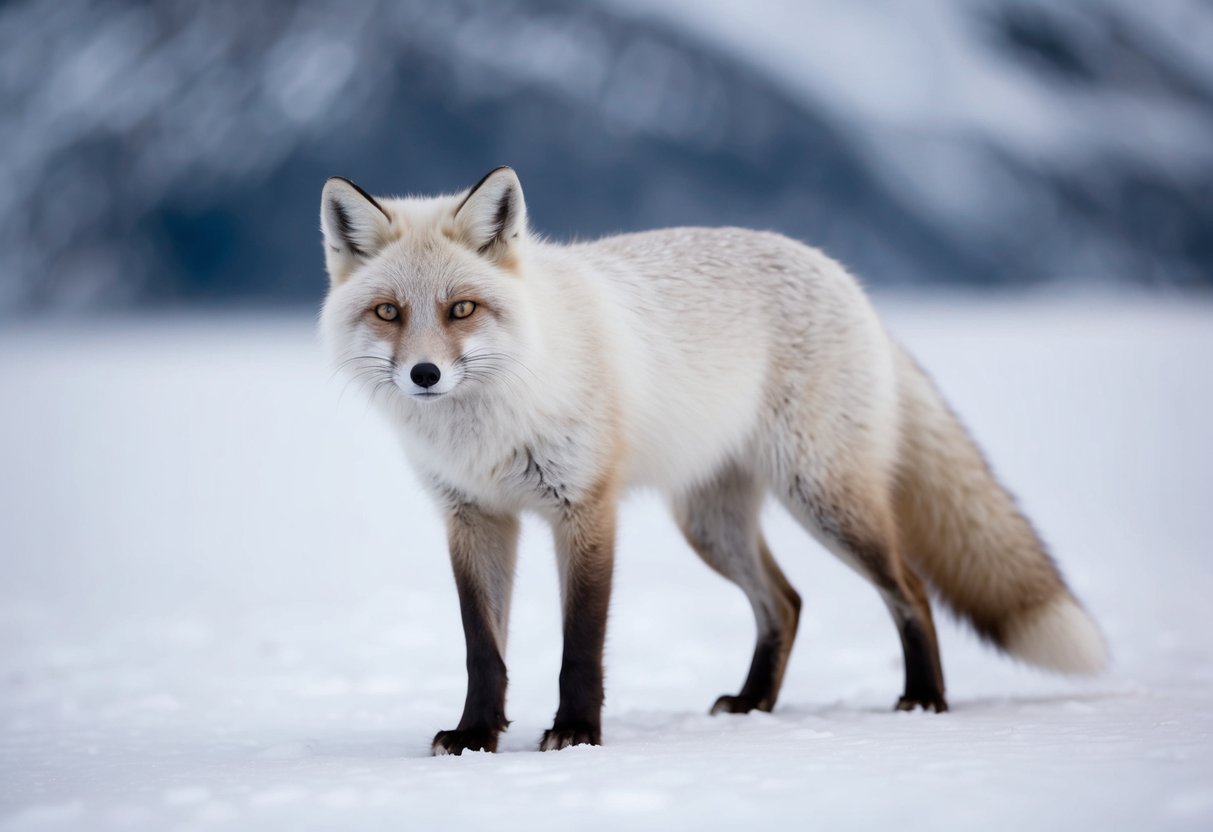
These foxes create complex dens that go deep into the snow. This behavior not only showcases their intelligence, but also highlights their ability to think ahead and prepare for the freezing temperatures. By learning how to adapt and survive, you can appreciate the unique traits that make these foxes stand out in the animal kingdom.
Curious about how Arctic foxes compare to other animals when it comes to intelligence? Exploring their behaviors might just change the way you see these clever creatures. Reading further will uncover more fascinating insights into their minds and lives in the wild.
Arctic Fox Biology and Habitat
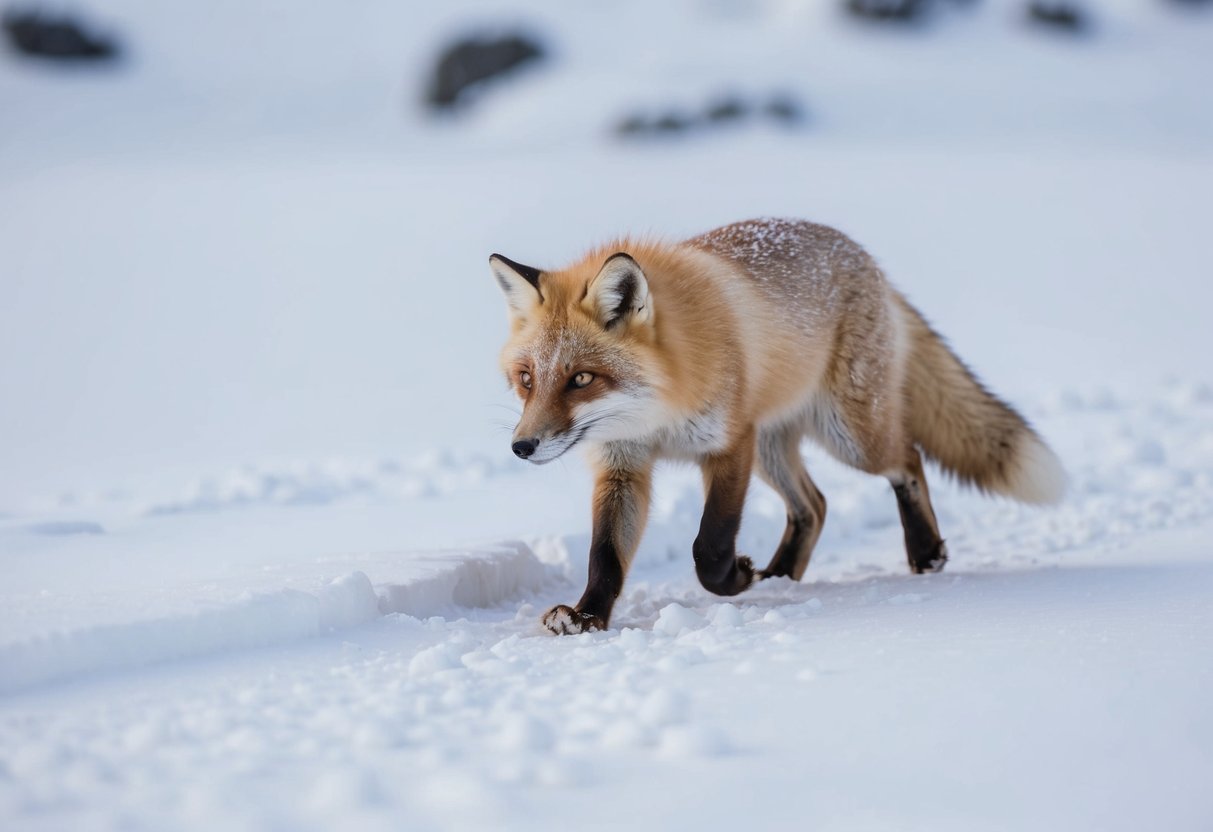
Arctic foxes are fascinating creatures with unique biology that help them survive in their extreme environments. Their adaptations to the cold tundra and their specific habitat range are crucial for understanding how they thrive in such challenging conditions.
Physical Adaptations
Arctic foxes have some amazing physical traits that help them live in the Arctic tundra. Their thick fur provides excellent insulation against extreme cold temperatures, keeping them warm even when it’s freezing outside. The foxes have a bright white coat in winter, which helps with camouflage against the snow.
As seasons change, their fur can turn brown or gray, allowing them to blend into the landscape during the warmer months. This color-changing ability is essential for avoiding predators and sneaking up on prey. They have short legs and a compact body that further help to minimize heat loss. These traits make them well-suited to life in harsh environments like Canada, Alaska, Greenland, and Russia.
Habitat Range
Arctic foxes live across the Arctic regions of the Northern Hemisphere, including parts of Canada, Alaska, Greenland, and Northern Europe. Their primary habitat is the tundra, where permafrost is common. This type of environment provides the foxes with necessary food sources, such as small mammals, birds, and carrion.
The tundra features a low, sparse vegetation that challenges many animals. However, the Arctic fox has adapted well to this habitat. They build dens in the tundra for shelter and to raise their young. These dens can be quite elaborate and may have been used by fox families for generations. In this rugged landscape, the Arctic foxes show how resilient they can be.
Social Behavior and Communication
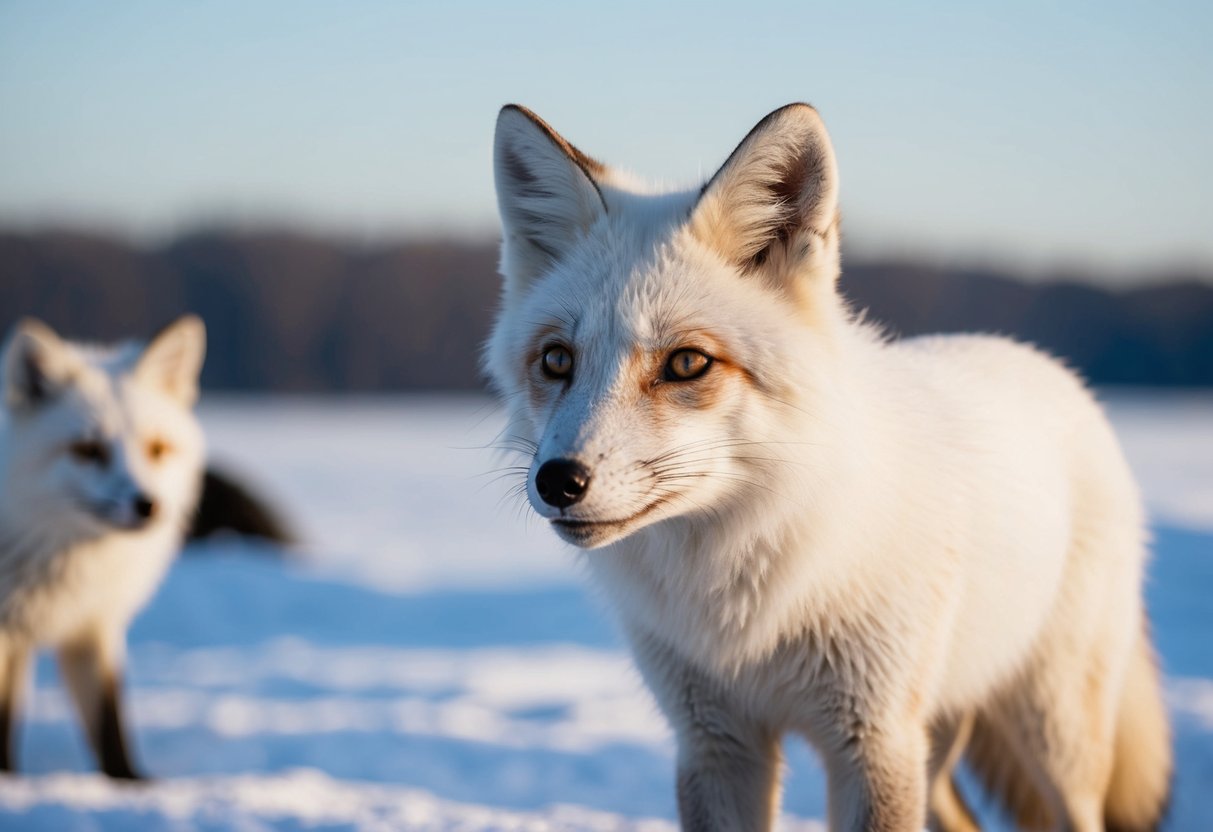
Arctic foxes have fascinating social structures and communication methods that help them thrive in their harsh environments. Their behavior reveals much about their social interactions, mating habits, and family dynamics.
Pack Dynamics
Arctic foxes live in family units, often consisting of a mated pair and their pups. These family groups can include up to 20 individuals, demonstrating strong social behaviors. They display a clear social hierarchy, with the parents leading the pack.
Each fox communicates through vocalizations and body language. Vocal sounds range from yips to howls, serving different purposes, like warning calls or playful interactions. Body language, such as tail position and ear movement, also plays a crucial role in expressing emotions and intentions among pack members.
When traveling long distances for food, foxes stay connected through these communication methods, ensuring they do not stray too far from the group. This strong social bond helps them survive in challenging Arctic conditions.
Mating and Reproduction
Arctic foxes are monogamous and typically mate for life, forming a strong bond with their partner. During the mating season, vocalizations increase as males attract females. Each pair establishes a territory, which they defend fiercely.
The gestation period lasts about 52 days, usually resulting in 5 to 10 pups. Both parents take part in caring for the young, teaching them essential survival skills. Pups are born blind and depend on their parents for food and protection until they are old enough to venture out.
As pups grow, they play within the territory, practicing social skills that aid their later survival. This nurturing environment contributes to their development, ensuring they are well-prepared for adult life in the wild.
Survival Strategies

Arctic foxes have developed clever survival strategies that help them thrive in harsh environments. Their skills in foraging and hunting, along with their ability to create shelters and adapt to seasonal changes, showcase their keen intelligence and resourcefulness.
Foraging and Hunting
When it comes to foraging and hunting, the Arctic fox is a master. They often rely on lemmings, small rodents, and hares as their primary food sources. Their keen sense of hearing allows them to spot prey hidden beneath the snow.
In winter, they can even detect the sound of lemmings burrowing under three feet of snow. Once they pinpoint the location, they pounce to catch their meal. This clever hunting strategy helps them make the most of scarce resources.
Apart from hunting, Arctic foxes also exhibit scavenger behavior. They often scavenge from larger predators, like polar bears. This behavior helps them get additional food, such as carrion, making sure they have enough to eat even when hunting is tough.
Shelter and Dens
Dens are crucial for Arctic foxes. They need these shelters for resting, raising young, and protection from extreme weather. Arctic foxes dig complex dens in the tundra, featuring multiple entrances and chambers, which help them avoid predators.
These dens provide safety and a cozy spot to escape the brutal cold. In summer, they also serve as a refuge from the heat. The adaptability of Arctic foxes extends to how they choose their den sites, often selecting locations with nearby vegetation for added protection.
Adapting to Seasonal Changes
As seasons change, Arctic foxes show remarkable adaptability. In winter, their thick fur and camouflage help them blend into the snowy landscape. This adaptation not only keeps them warm but also aids in hunting.
In contrast, during summer, their fur changes color to a brown or gray, helping them remain hidden among rocks and vegetation. This clever seasonal coloration is an excellent example of their problem-solving skills in effectively evading predators while hunting for seal pups or reindeer.
Conservation and Impact of Arctic Foxes
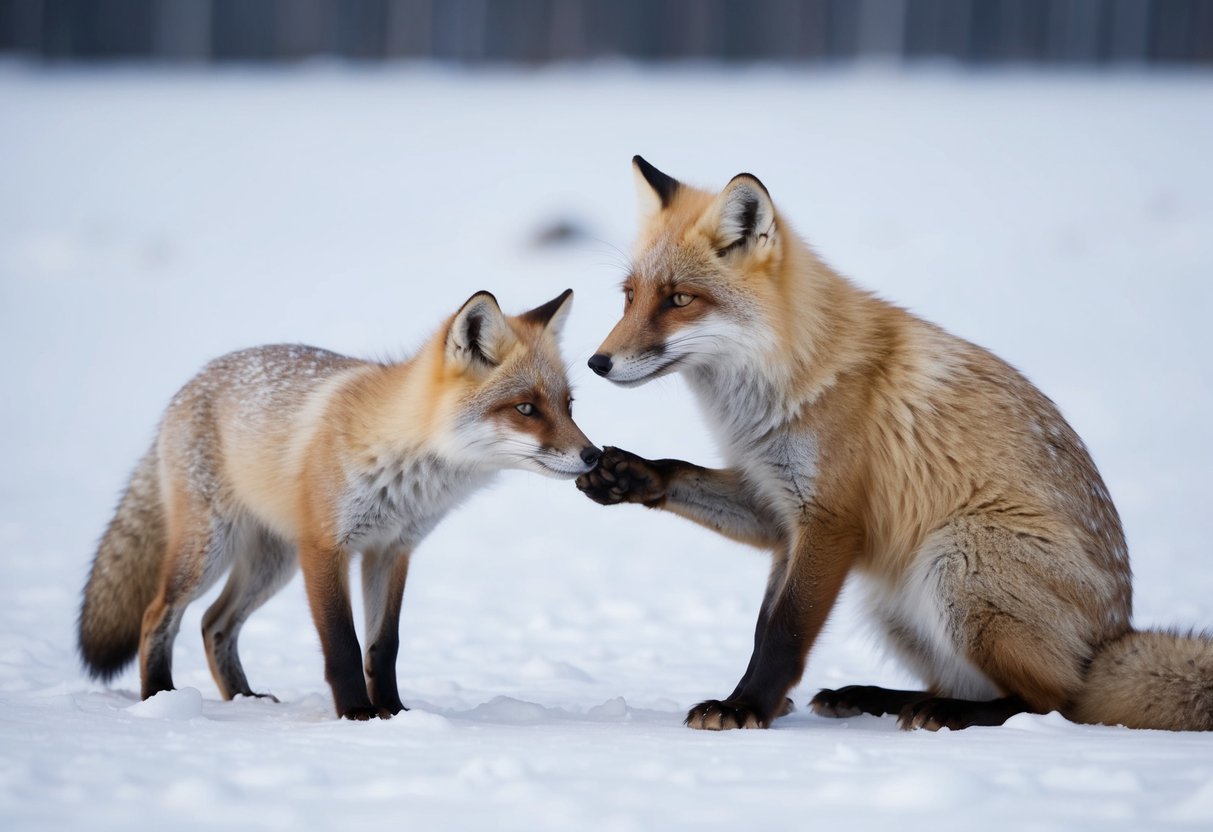
Understanding the conservation status and impacts of Arctic foxes helps you appreciate their role in the ecosystem and the effects of human interactions. These clever animals are crucial to their environment and face various challenges due to human activities.
Role in the Ecosystem
Arctic foxes play a vital role in their ecosystem. As members of the canidae family, these foxes help control the population of small rodents, such as lemmings. When rodent numbers increase, Arctic foxes thrive and produce many pups. Conversely, when rodents are scarce, their reproduction can be affected.
Their foraging habits also support other wildlife. They often scavenge on the remains of larger predators’ kills, which helps distribute nutrients in the tundra. Furthermore, their burrowing activities can aerate the soil, benefiting plant growth and the overall ecosystem health.
Despite being listed as least concern by the IUCN, climate change and habitat loss pose threats to their survival. As temperatures rise, Arctic foxes struggle to compete with red foxes that move north.
Human Interactions
Human influence greatly affects Arctic foxes. Fur trappers, once a significant threat, have reduced in number. This has allowed fox populations to stabilize in some areas. However, trapping still impacts certain populations, especially where regulations are lax.
Indigenous people have a unique relationship with Arctic foxes. These creatures are embedded in their cultures and traditional practices. Respectful hunting and sustainable practices are essential for maintaining balance.
Conservation efforts are needed to protect Arctic fox habitats. Strategies include managing human activities and understanding ecological changes. These steps can help secure the future of this charming fox species, ensuring they remain a part of the Arctic landscape.


