
You’ll hear barks, chirps, screams, and those soft “mup-mup” calls when squirrels talk. These sounds usually reveal what the squirrel feels or needs—alarm, anger, a mating call, or a baby asking for care.

Hang around trees, feeders, or even your yard, and you’ll pick up on the difference between a warning bark and a playful chirp. This article digs into the main squirrel sounds, what they probably mean, and how baby squirrels or different species put their own spin on things.
Keep your ears open and maybe grab your phone; you’ll start recognizing their voices after just a few close listens.
How Does Squirrel Sound: Main Vocalizations and Their Meanings

Squirrels stick to a small set of clear noises to share danger, claim territory, or attract mates. Listen for sharp barks, high screams, chattering, and those soft mating murmurs to figure out what a squirrel is saying.
Common Squirrel Sounds and What They Mean
You’ll hear barks and chattering a lot around yards and feeders. Barks come out short and sharp; squirrels use them to announce a threat or warn other squirrels nearby.
Chattering or chirping happens fast and usually means irritation, excitement, or a territorial challenge. Sometimes, it just sounds like they’re complaining about you.
You might notice those gentler “mup-mup” or purring sounds during close social moments, like between a mother and her young or two squirrels that get along. Baby squirrel squeaks are high and thin; they’re calling out for attention or food.
Noises can overlap. For example, a squawk might sound like a loud chirp, but it usually points to a heated dispute. If you pay attention to the tone and how often they repeat, you’ll start telling alarm calls from casual chatter.
Alarm Calls and Warning Signals
Alarm calls? They’re loud, urgent, and repeat fast. High-pitched screams or sharp barks warn about real danger—maybe a hawk, a cat, or even you if you get too close.
When a predator shows up, you’ll notice frantic, repeated calls. Squirrels don’t just make noise—they change their body language too. They might flatten against a tree and flick their tail while barking like crazy.
Ground squirrels sometimes use ultrasonic calls that humans can’t hear, but tree squirrels rely on barks, screams, and short chirps that you definitely can. If you hear a long, high scream, the animal might be cornered or hurt.
Short, repeated barks usually mean “watch out” to everyone nearby, not just a personal distress signal.
Mating Calls and Reproductive Noises
Mating calls come out softer and less urgent than alarm calls. Males often do a quiet “mup-mup” or soft, whispery whistles when they’re courting a female.
These sounds reassure the female and show he’s not a threat. Females sometimes answer with similar low calls if they’re interested.
You might also catch a series of click-like or trilling notes during chases, as males follow females closely. These noises mix with obvious courting moves: tails flicking slow, close following, that sort of thing.
During breeding season, you’ll hear more of these soft, repetitive calls near trees and nesting spots. They help you tell courtship apart from aggressive or warning calls.
Special Squirrel Sounds: Baby Squirrels and Species Differences
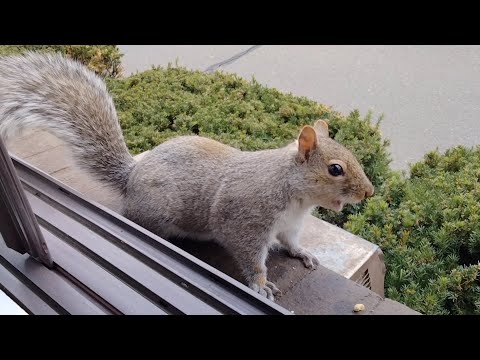
Baby squirrels make high, urgent noises when they need food or help. Different squirrel groups—tree, ground, and flying—use their own calls and tail signals to warn, attract, or scare others.
Baby Squirrel Sounds Explained
You’ll hear baby squirrels start with short squeaks and peeps. These sounds usually mean hunger, cold, or that they’re separated from the nest.
A hungry kit makes quick, short calls to get its mother’s attention. If a kit feels cold or scared, the pitch gets higher and the calls sound more desperate.
Kits also make softer chirps when they feel safe or content. As they grow up, those squeaks turn into the adult “kuk” barks or chittering you hear near feeders.
If you watch for timing, you’ll notice repeated calls after the mother leaves usually mean the kit wants food. When you find a fallen kit, listen for persistent, high-pitched crying—it almost always means distress.
Ground Squirrel, Flying Squirrel, and Tree Squirrel Variations
You’ll notice that size and lifestyle really shape the sounds these squirrels make. Ground squirrels bark loudly and trill, sending their calls across open spaces.
These calls usually sound like a series of chirps or rattles, and they warn the whole colony when a predator shows up. It’s kind of impressive how far their voices carry.
Tree squirrels, on the other hand, go for sharper “kuk” barks and those longer, drawn-out “quaa” calls. Sometimes you’ll even hear them moan.
They don’t just rely on their voices—they’ll flick their tails to signal danger, whether it’s coming from the sky or the ground. Males and females both use low buzzing or “muk-muk” noises during mating, and pups copy that same pattern.
Flying squirrels keep things a bit more mysterious. Since they’re mostly active at night, you won’t hear much from them during the day.
At night, though, you might catch some soft chirps, chatters, or those really high-pitched squeaks. If you’re lucky, you’ll spot them in the trees by following those sounds, but honestly, it’s tough to hear them from the ground.


