
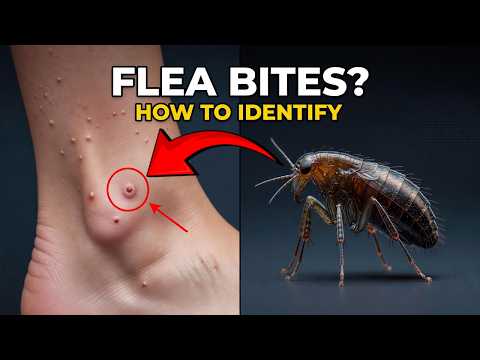
Waking up with itchy, red bumps and not sure what’s to blame? Figuring out if a bite is from a flea can save you a lot of trouble. Flea bites usually show up as small, red bumps in clusters or lines, mostly around your feet, ankles, and lower legs. You’ll often notice a tiny, discolored ring or halo around each one, which sets them apart from mosquito bites.

Bites tend to show up more on exposed skin or spots that come in contact with pets. Fleas love to hitch rides from animals. If your pets seem extra itchy or you spot tiny black specks—flea dirt—it’s pretty likely fleas are the problem.
Catching these signs early lets you act fast to calm the itch and start getting rid of fleas.
Recognizing flea bites helps you protect yourself and your home. You’ll find a few straightforward tips below on what these bites look like, where they show up, and how they differ from other bug bites.
How to Identify Flea Bites on Humans

You can spot flea bites by a few clear signs. They show up as small, red bumps and tend to pop up in certain spots.
Knowing where to look and what they feel like helps you handle them better.
Common Signs of Flea Bites
Flea bites look like small, red bumps that itch a lot. You’ll often see a faint halo or ring around each one.
They usually appear in clusters or straight lines. The bites start to sting or itch right after the flea bites you.
If you scratch too much, the bumps might get swollen or sore. Most bites heal in a few days, but scratching can leave marks.
You’ll notice bites suddenly after being near pets or animals that might have fleas.
Differences Between Flea Bites and Other Insect Bites
Flea bites are smaller than mosquito bites and usually show up in groups. Mosquito bites tend to be bigger, more raised, and swell more.
Bed bug bites can look similar, but they usually form a zigzag or cluster on exposed skin. Mosquito bites show up mostly on arms and face, while flea bites often appear on ankles or calves—places close to the ground and sometimes covered by clothes.
Spotting these differences can help you figure out what’s biting you, especially after spending time around animals.
Areas Most Affected on the Body
Flea bites show up most often on your feet, ankles, and lower legs. They usually appear below the knees, especially where the skin’s thinner.
If you sit or lie down on flea-infested surfaces, you might get bites higher up. Fleas can bite anywhere if you spend time on the floor or furniture.
Pets like cats and dogs carry fleas, so bites often show up where your pet hangs out.
Reactions and Health Risks
Most flea bites just itch and cause mild irritation. Some people get bigger lumps or a rash if they react more strongly.
Scratching too much can cause infection. Fleas sometimes carry diseases like typhus or tapeworms, but that’s pretty rare for people.
If you see red streaks, swelling, or more pain, go see a doctor. Cleaning flea bites and not scratching helps lower the risk of problems.
For more info on symptoms and treatment, check out how to identify flea bites on humans.
Recognizing and Handling Flea Infestations
Fleas multiply fast and bring itchy bites to both pets and people. You’ll want to spot fleas in your home early, check your pets, and protect everyone before things get out of hand.
Spotting Flea Infestations in the Home
Look for tiny dark specks—flea dirt—that are actually flea droppings. You’ll often find flea dirt on carpets, furniture, or pet bedding.
Flea eggs look like tiny white grains and hide in cracks or cushions. If your pets scratch more than usual or family members get red bumps, fleas might be around.
Fleas hide during the day and come out at night. Check for movement or jumping insects, mostly near where pets rest.
Regular cleaning and vacuuming carpets, plus washing pet bedding, can help get rid of fleas and eggs. Using an insect growth regulator (IGR) spray stops flea eggs and larvae from becoming adults.
Identifying Flea Activity on Pets
Fleas bite pets around the neck, base of the tail, and belly. You might notice small red bites or see your pet scratching or biting itself more.
Flea dirt on pets looks like tiny black dots. Place one on a wet paper towel—if it turns reddish-brown, it’s flea dirt because it contains dried blood.
Try flea shampoo or a flea collar to kill and repel fleas. Spot treatments work well too. Always follow your vet’s advice for the best flea treatment for your pet.
Preventing and Treating Flea Bites
Try to keep your pets on flea medication year-round if you can swing it. That way, fleas don’t even get a chance to start causing trouble.
Vacuum your place regularly. Toss your pet’s bedding in the wash every week—trust me, it helps. Some folks also use flea collars or sprays at home for a little extra backup.
If you or your pet end up with flea bites, it’s all about easing the itch. Grab some over-the-counter antihistamines or anti-itch creams—they usually calm swelling and make things less miserable.
Whatever you do, resist scratching those bites. That’s how you get infections, and nobody wants that. For pets, try using flea shampoos; they can soothe irritated skin and kill fleas right away.
Want to dig deeper? Check out more tips for flea treatment and prevention.


