
Housebreaking a beagle puppy can be a fun but challenging task. Beagles are known for their friendly nature and strong instincts, which can make them a bit stubborn during training. To successfully housebreak your beagle puppy, establish a consistent routine that includes regular bathroom breaks, feeding schedules, and positive reinforcement.
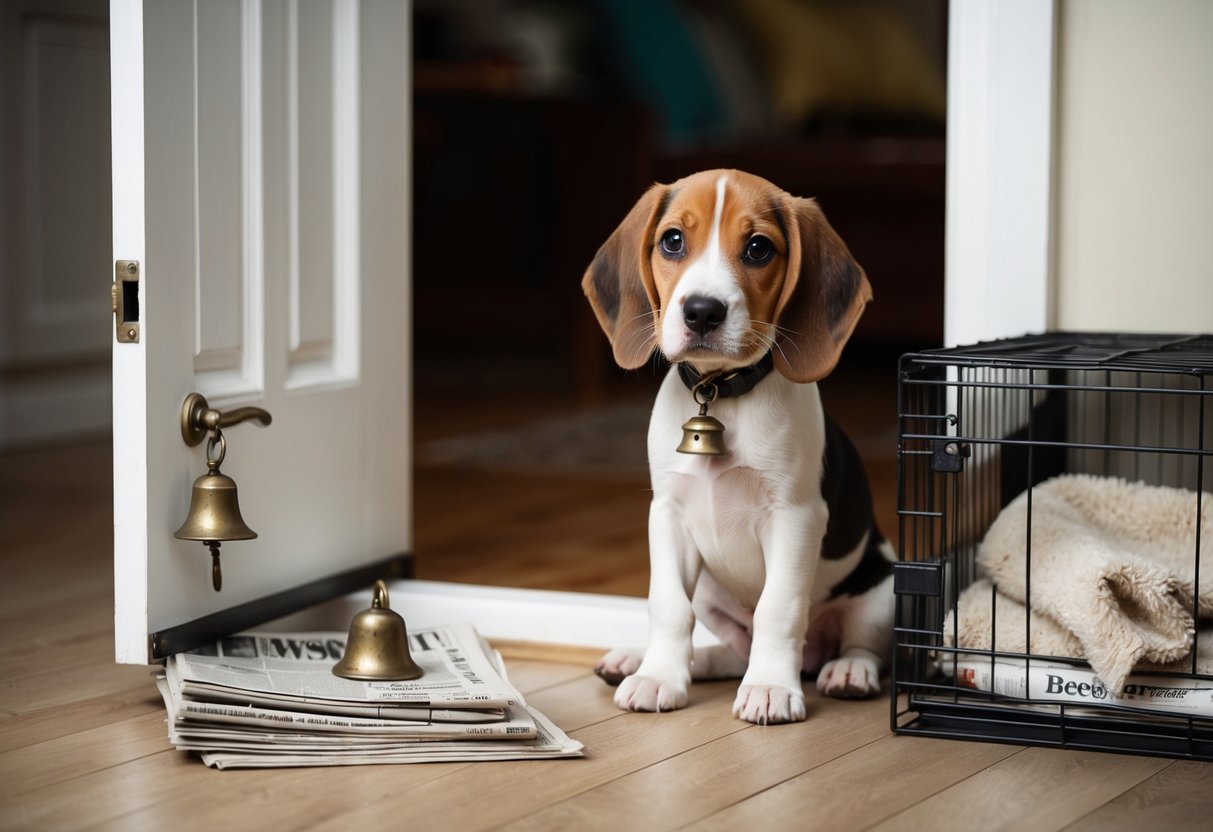
One of the key steps is to take your puppy outside frequently, especially after meals and naps. Beagles have small bladders, so expect to take them out every 30 to 60 minutes at first. Using a specific command, like “go potty,” can help your puppy associate the phrase with the action, making it easier for them to learn.
Remember, patience is crucial. Mistakes will happen, but staying calm and consistent will help your beagle puppy understand what is expected.
Understanding Your Beagle Puppy

Getting to know your Beagle puppy is an important first step in house training. Understanding their unique traits and behaviors will help you set the right approach for potty training.
Beagle Characteristics and Behavior
Beagles are known for their playful and curious nature. They are social dogs who love to be around people. Their friendly demeanor makes them great companions and adds to the joy of having a pet.
When it comes to house training, Beagles can be a bit stubborn. They often follow their nose and may get distracted easily. Establishing a routine is essential. Take your puppy out at the same times each day, especially after meals or naps.
Using positive reinforcement works wonders for Beagles. Treats and praise will motivate them to do their business outside. Remember, patience is key. Your puppy is learning, and some accidents will happen. Use these moments as teaching opportunities.
Essentials of Housebreaking
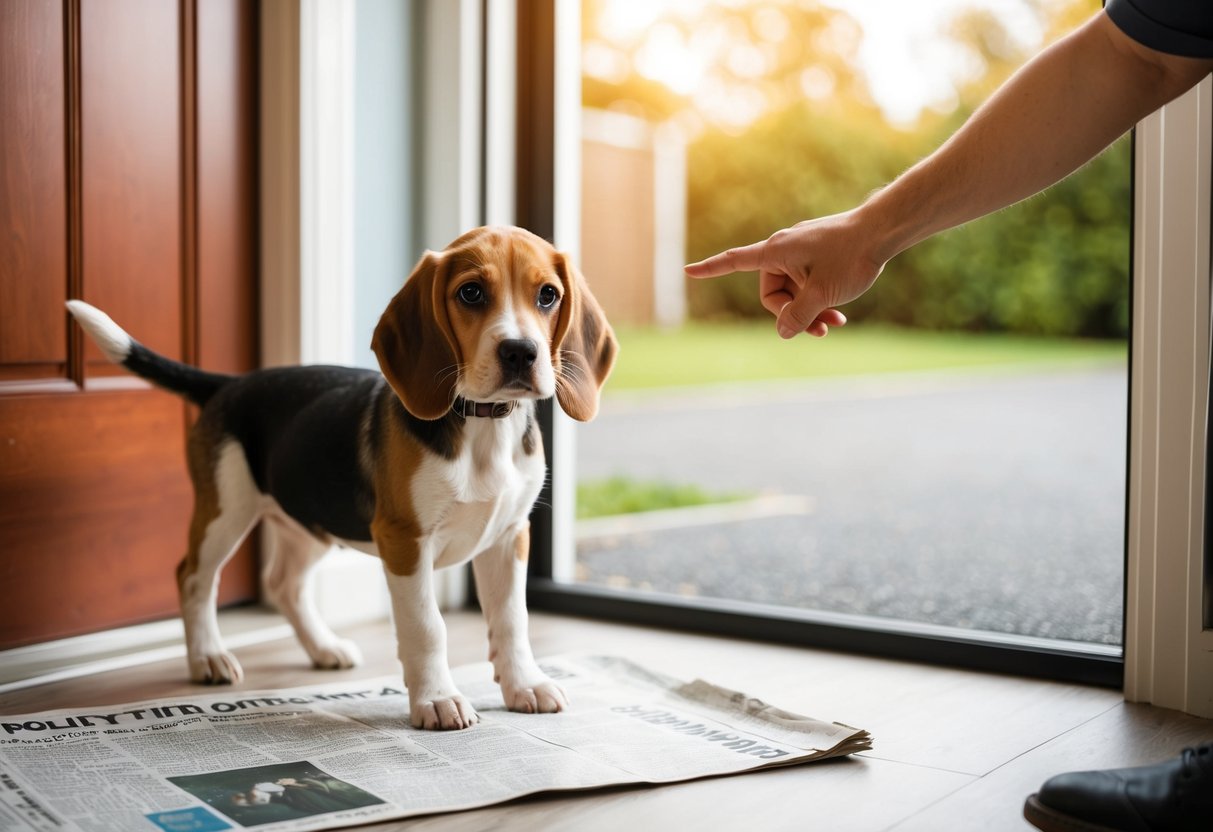
Housebreaking your Beagle puppy involves a few key practices. Establishing a routine, choosing an ideal bathroom spot, and understanding crate training are essential for success.
Setting a Routine
A consistent routine is vital for your Beagle’s housebreaking journey. Set specific times for feeding your puppy. This helps regulate bathroom needs. Puppies generally need to go out 15 to 30 minutes after eating.
Take your puppy outside frequently. Aim for every two hours at first. Be sure to include bathroom breaks after playtime or napping. Keeping a schedule will help your puppy learn when to expect breaks.
Keep track of your puppy’s habits. Note the times they wet or poop indoors. This can give you clues about their bathroom needs. With time and patience, your puppy will adapt to the routine.
Choosing the Right Spot for Bathroom Breaks
Selecting the right spot for bathroom breaks is important. Pick a designated area in your yard or nearby. Always take your puppy to that same spot. The consistent scent will signal to them that it’s time to go.
When you arrive, use a command like “Go potty.” Give your puppy a moment to sniff and explore the area. Be patient; don’t rush them. If they go, praise them with treats or affection. This reinforces their good behavior.
If your puppy doesn’t go after a few minutes, bring them inside and try again later. Always offer an opportunity to relieve themselves before playful activities. This can prevent accidents indoors.
Crate Training Basics
Crate training can be a helpful tool in housebreaking your Beagle. A crate creates a safe space for your puppy and prevents accidents when you’re busy. Choose an appropriately sized crate; your puppy should have room to stand up and lie down comfortably.
Start by introducing your puppy to the crate slowly. Encourage them to enter with treats. Make it a positive experience.
Gradually increase the time they spend in the crate and keep the door closed during this period.
Use the crate during breaks and when you are not able to supervise. Remember, dogs usually will not soil their sleeping area. Take your puppy outside immediately after letting them out. Consistency here helps reinforce the housebreaking process.
Positive Reinforcement Techniques

Using positive reinforcement is key to successfully housebreaking your Beagle puppy. This method focuses on rewarding good behavior, helping your puppy learn what is expected. You will also learn how to manage accidents effectively with the right approach.
Reward System and Praise
Creating a reward system is an excellent way to encourage your Beagle puppy. Every time your puppy goes potty outside, immediately offer praise and a treat. Choose something small and tasty that your puppy loves. This will create a positive association with going outside.
Tips for rewards:
- Timing: Reward your puppy right after they finish, so they connect the act with the treat.
- Consistency: Use the same cue words and actions each time to reinforce learning.
- Frequency: At first, reward every successful potty break, then gradually reduce as they learn.
By using praise and treats, your Beagle will understand that doing their business outside brings good things.
Using Puppy Pads and Pee Pads
Puppy pads can be a useful tool during house training. Set up a designated area with a pad for your puppy to use when you cannot take them outside. This helps manage their needs while teaching them where to go.
- Placement: Place pads in quiet, accessible areas away from their sleeping space.
- Encouragement: When your puppy uses the pad, give them lots of praise and a small treat.
- Transitioning: Over time, gradually move the pads closer to the door to encourage outdoor potty breaks.
Using puppy pads can ease the process if used correctly.
Dealing With Accidents
Accidents will happen, especially in the early days of training. It’s important to remain calm and not scold your puppy. Instead, clean up the mess using an enzymatic cleaner to eliminate odors. This helps prevent repeat accidents in the same spot.
Steps to handle accidents:
- Stay Calm: Your puppy needs to feel safe and secure during training.
- Clean Up: Use an enzymatic cleaner that breaks down urine smell effectively. This discourages them from returning to that spot.
- Monitor: Keep an eye on your puppy for signs they need to go, such as sniffing or circling.
By handling accidents in a positive way, you support your puppy’s learning without adding fear.
Feeding Schedule and Supervision
Establishing a regular feeding schedule is essential. Feed your puppy at the same times each day to create a routine. This helps you predict when they will need to go outside.
Always supervise your puppy, especially after meals. Keep an eye out for signs that they need to go, such as sniffing or circling. If you catch them in the act of going indoors, gently redirect them outside.
Praise your puppy when they do their business outside. Consistent rewards for good behavior encourage them to repeat it. Remember, patience is vital; accidents will happen, but staying calm and not punishing your puppy will help in their learning process.


