
Squirrels are often seen scurrying around, but sometimes they get scared and need your help. To help a scared squirrel, provide it with a safe, quiet space where it can feel secure and warm. Understanding a squirrel’s behavior can make a big difference, as these small animals can react strongly to fear and stress.
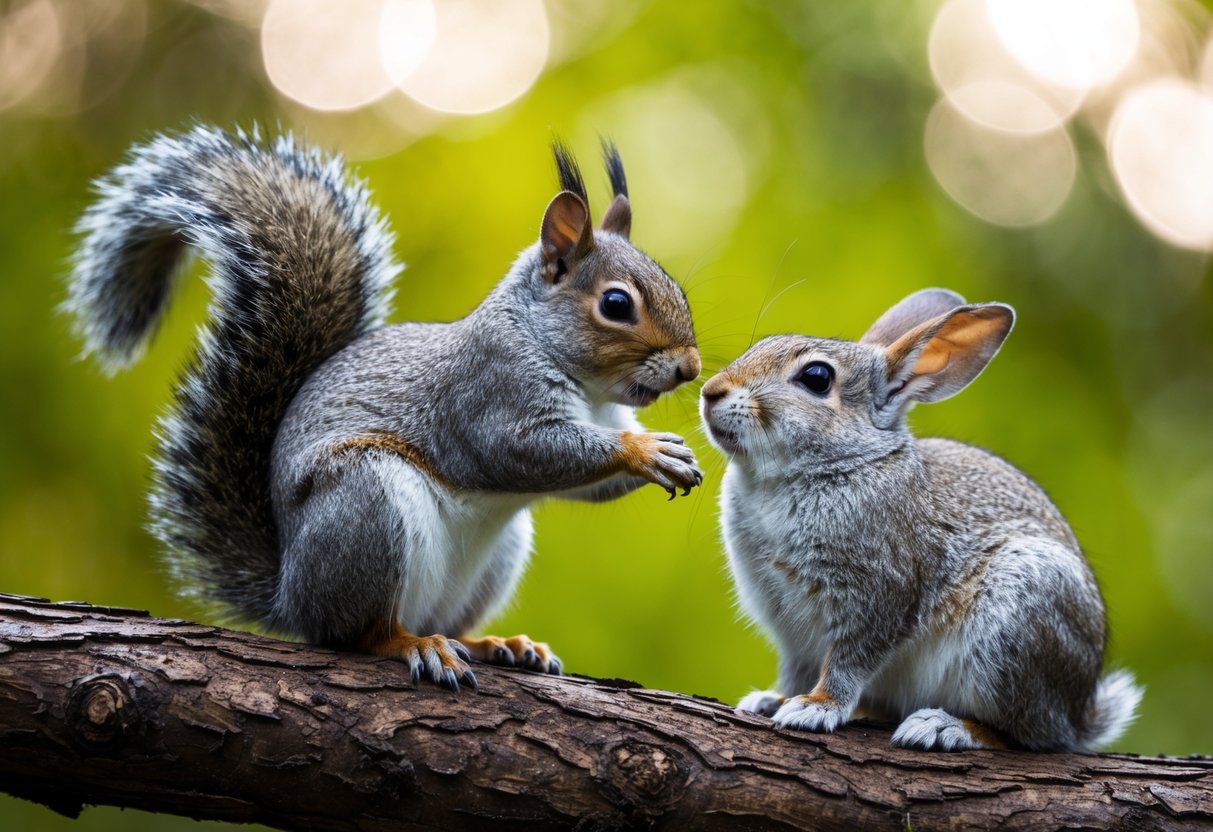
When you encounter a frightened squirrel, it’s important to keep pets and loud noises away. Creating a cozy environment with shelter can ease its anxiety. By being patient and respectful, you can make a tough situation better for the squirrel.
With the right approach, you can help these furry creatures feel calm and safe. Helping wildlife can be rewarding and educational. Your efforts can make a positive impact on their lives.
Understanding Squirrel Behavior and Fears
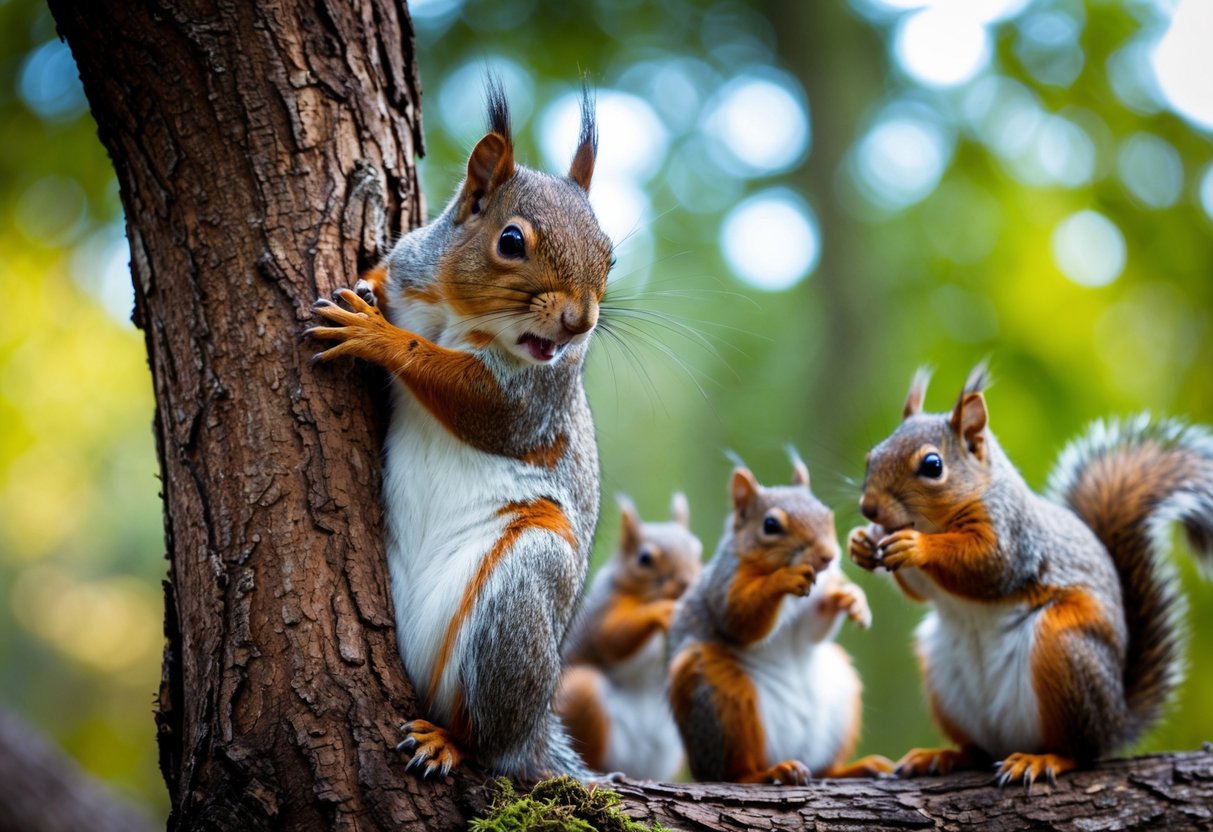
Squirrels exhibit unique behaviors that can help you understand their fears. Recognizing these signs is important when interacting with a scared squirrel. Many factors contribute to their anxiety, such as predators and environmental changes.
Recognizing Signs of Distress
When squirrels feel scared, they show distinct behaviors. You might notice them becoming very still, staring at potential threats. Their tails may flick rapidly, signaling anxiety. A frightened squirrel may also make high-pitched sounds to express distress.
If you see a squirrel curled up or hiding, it’s likely feeling overwhelmed. Injured squirrels or baby squirrels without their nests might display even more fear. Understanding these signals helps you respond appropriately and provide support.
Common Threats to Squirrels in Urban and Wild Areas
Squirrels face various threats in both urban and wild settings. In cities, they encounter loud noises from traffic and construction, which can be frightening. Predators like hawks, owls, and coyotes also pose a risk.
Wild animals such as foxes can hunt squirrels, especially during mating season when they are more vulnerable. In addition, some squirrels may get injured while fleeing from danger. Understanding these threats can help you create a safer environment for them.
How to Help a Scared Squirrel Safely
When you encounter a scared or injured squirrel, it’s important to act carefully and thoughtfully. Knowing the right steps can make a big difference for the animal. Here’s how you can provide safe help to an eastern gray squirrel in need.
Approaching and Assisting an Injured Squirrel
If you come across an injured squirrel, keep your distance at first. Approach slowly and quietly to avoid startling it further. Use a towel or a sturdy box to gently scoop the squirrel up. Make sure to wear gloves to protect yourself from potential bites or scratches.
After securing the squirrel, place it in a dark and quiet area away from pets and people. This helps it feel safe and calm. If the squirrel appears to have serious injuries, it’s best to limit your contact and seek professional help. Be watchful for signs of disease, like unusual behavior or discharge.
Contacting Wildlife Professionals
If you cannot safely treat the squirrel, contact a wildlife rehabilitator or animal control. These professionals know how to handle wildlife emergencies and can provide the care needed. Look for a local wildlife rescue group or hotline that specializes in rehabilitation.
Describe the situation clearly and follow their advice. They may ask you to transport the squirrel to their facility or give additional instructions for care. Remember, handling a wild animal without proper training can be dangerous for both you and the squirrel.
Providing a Safe Environment for Squirrels
Create a secure environment for any squirrels that seem scared but are healthy. Make a cozy spot outdoors using soft nesting material, like leaves or dried grass. This gives them a safe place to rest. If you have pets, keep them indoors until the squirrel leaves.
It’s essential to avoid feeding wild squirrels directly, as this can encourage them to return to human areas and lead to potential problems. Allow the squirrel the space to feel safe again. Monitor from a distance, so it can regain its confidence without feeling threatened.


