
Dealing with a hyper beagle can be quite the challenge, but you’re not alone in this journey. Beagles are energetic and curious dogs, which often leads to hyperactivity that can be overwhelming.
To calm your hyper beagle, ensure they get regular exercise, mental stimulation, and consistent training.

Understanding your beagle’s needs is key. These dogs thrive on activity and love to explore, so keeping them engaged can help reduce their excess energy.
Simple activities like daily walks or interactive games can make a big difference.
With the right approach, you can turn that boundless energy into positive behavior. Your beagle can learn to settle down and enjoy quieter moments with you.
Let’s dive into effective strategies that will help you achieve a more peaceful environment with your furry friend.
Understanding Beagle Behavior

Beagles are known for their lively and energetic nature. Understanding the reasons behind their hyperactivity can help you manage their behavior better. Here are some common causes and when you can expect them to calm down.
Common Causes of Hyperactivity
Several factors can lead to a hyperactive beagle. One of the main reasons is genetics. Beagles were bred for hunting, which means they have a high energy level. This inherited trait can make them more prone to hyperactive behavior.
Another factor is lack of exercise. Beagles need regular activity to burn off energy. Daily walks, playtime, or runs can help. If they don’t get enough exercise, you may notice them bouncing off the walls.
Age also plays a role. Beagle puppies are naturally more energetic as they play and explore their surroundings. Adult beagles may still have bursts of energy, but they often settle down more than puppies.
Lastly, attention-seeking behavior can make them hyper. If you constantly respond to your beagle’s excitement, it can reinforce that behavior. Ignoring unwanted hyper actions can help them learn to be calm.
When Do Beagles Calm Down?
You might wonder when your beagle will start to calm down. Beagle puppies are typically very playful and energetic. From about 8 to 16 weeks, their curiosity leads to lots of excitement.
As they grow, you may notice changes. By the time they reach 1 to 2 years old, many adult beagles become somewhat calmer. They still enjoy playtime and exercise but may not be as hyperactive as puppies.
That said, each beagle is different. Many remain lively throughout their lives, while some settle into a more relaxed demeanor. You can influence your beagle’s energy levels with regular exercise and training, promoting a calm environment.
Effective Training Strategies
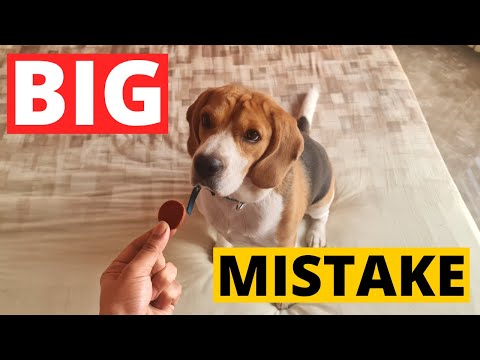
Training your Beagle is key to helping them calm down. Using specific commands and positive reinforcement can change their behavior and make them more manageable.
Basic Commands to Teach Your Beagle
Start with simple commands like Sit, Stay, and Come. These commands are the foundation of good behavior.
-
Sit: Hold a treat above your Beagle’s nose and slowly move it back toward their tail. As they lower their bottom, say “Sit” and reward them.
-
Stay: Once they sit, tell them to “Stay.” Take a step back. If they hold the position, return and reward them.
-
Come: Use a long leash for this one. Call your Beagle with a happy tone and say “Come.” When they approach, give lots of praise and a treat.
These commands encourage your Beagle to focus on you and follow your lead.
Positive Reinforcement Techniques
Positive reinforcement is all about rewarding good behavior. When your Beagle listens and follows commands, make sure to recognize it.
-
Treats: Use small treats they love. Always reward them right after they perform the desired action.
-
Praise: Use an excited voice and pet them when they do something right. Your attention will motivate them.
-
Consistency: Always use the same commands. This helps your Beagle learn faster.
Remember, patience is essential. Training takes time, but with these methods, you’ll see improvements in your Beagle’s behavior. Consistent training and attention will help them feel secure and calm.
Exercise and Mental Stimulation

To help calm your hyper Beagle, it’s essential to provide both physical exercise and mental stimulation. Keeping your furry friend active will reduce energy levels and boredom, leading to a more relaxed dog.
Appropriate Physical Exercise
Your Beagle needs regular exercise to burn off energy. Aim for at least 30-60 minutes of daily walks or runs. This helps your pup feel content and less anxious.
Activities to consider:
- Daily walks: Utilize different routes to keep things exciting.
- Playtime in the yard: Games like fetch or tug-of-war give a great workout.
- Hiking: Beagles love exploration. Take them on new trails to enjoy the sights and smells.
Make sure to vary the exercise types. This variety will keep your Beagle engaged and prevent boredom, leading to calmer behavior.
Games and Mental Challenges
Offering mental stimulation is just as important as physical exercise. Engaging your Beagle’s mind can tire them out too.
Fun ideas include:
- Puzzle toys: They challenge your dog to think and work for treats.
- Hide-and-seek: This game combines play and problem-solving.
- Scent games: Use objects or treats to encourage your dog to sniff out hidden items.
Don’t forget to include chew toys! They provide an outlet for your Beagle’s natural chewing instinct and help keep them occupied. By mixing physical and mental activities, you promote a well-rounded, happier dog.
Socialization and Emotional Well-Being

Your Beagle’s happiness and calmness can greatly improve with proper socialization and attention to their emotional needs. Focus on introducing your pet to new experiences and helping them feel secure when you’re not around.
The Role of Socialization
Socialization is crucial for your Beagle. It helps them learn how to interact with other dogs and people. Start socializing them early with positive experiences.
Consider taking them to parks, dog classes, or playdates. Encourage friendly interactions with other pets.
Use treats and praise to reward calm behavior. This reinforces their positive actions and builds their confidence. The more social skills your Beagle has, the less likely they are to feel anxious or hyperactive.
Reducing Separation Anxiety
Beagles commonly experience separation anxiety. They are affectionate and thrive on your company. When you leave, they may feel stressed and act out.
To help reduce this anxiety, create a comfortable space for them. A cozy bed with toys can be soothing.
Start by leaving them alone for short periods, gradually increasing the time. Before you go, establish a calm routine.
Consider using puzzle toys to keep them busy. This redirects their energy and distracts them from your absence. Over time, this helps your Beagle feel more secure when you leave the house.


