
Deciding whether your husky is a Siberian husky or an Alaskan husky can be confusing, especially since they share some similarities. To tell the difference, look closely at their physical traits and personalities.
Siberian huskies typically have a narrower face and shorter ears, while Alaskan huskies tend to have a rounder, flatter face, often resembling a wolf.

Another way to distinguish between them is size. Alaskan huskies have a wider range in height, while Siberian huskies usually fall within a more consistent height range of 20 to 24 inches.
Noticing these key characteristics can help you understand which breed your furry friend belongs to.
Identifying the Breed
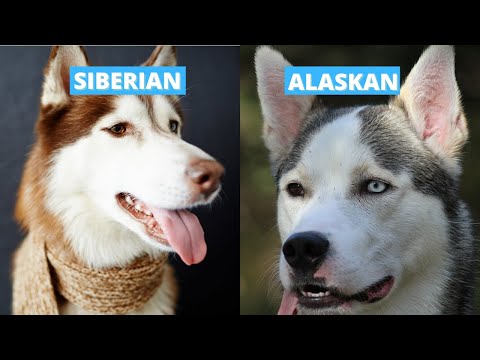
When trying to determine if your dog is a Siberian Husky or an Alaskan Husky, there are key features to consider. By examining their physical traits, coat colors, and eye characteristics, you can make a more accurate identification.
Physical Characteristics
Siberian Huskies are medium-sized dogs, typically standing between 20 to 23.5 inches tall at the shoulder and weighing between 35 to 60 pounds.
In contrast, Alaskan Huskies vary significantly in size because they are not a standardized breed. They might be larger or smaller, depending on their parentage.
Look at the overall body structure. Siberian Huskies have a more compact and muscular build, while Alaskan Huskies can appear taller and leaner.
The tail is another telltale sign. Siberian Huskies often have a sickle-shaped tail that curls over their back, while Alaskan Huskies’ tails can vary more widely in shape.
Coat and Color
The coat is a critical part of identifying these breeds. Siberian Huskies have a thick, double coat that provides excellent insulation against cold weather. This coat comes in a variety of colors, including black, gray, red, and agouti.
Alaskan Huskies also have a double coat but may display a wider range of colors and patterns. Their fur can be solid, spotted, or patched.
Note that both breeds shed heavily, especially during seasonal changes. Pay attention to the texture, as Siberian Husky fur tends to be softer compared to the coarse texture often seen in Alaskan Huskies.
Eye Color and Heterochromia
Eye color is another distinguishing feature. Siberian Huskies often have striking blue or brown eyes and occasionally have one of each, a trait known as heterochromia. This means they can have one blue eye and one brown eye, which gives them a captivating look.
Alaskan Huskies can have a range of eye colors, including amber and brown, but they usually do not exhibit heterochromia as frequently as Siberian Huskies. The eyes’ shape can also differ slightly, adding to the identification process.
Always take a close look at those eyes; they can tell you a lot about your dog’s lineage.
Behavioral Traits

Understanding the behavioral traits of Siberian and Alaskan Huskies can help you recognize which breed you have. The main areas to consider are temperament, exercise needs, and their background as working dogs.
Temperament and Socialization
Siberian Huskies are known for their friendly and outgoing nature. They tend to be loyal and good-natured, making them great family pets. On the other hand, Alaskan Huskies can vary more in temperament since they are bred for work and might display more independence.
Both breeds need early socialization to develop good behavior. They are generally not protective guard dogs. Instead, they are playful and can get along well with other pets.
Engaging in social activities will help your dog feel comfortable around people and other dogs.
Exercise Requirements
Both Siberian and Alaskan Huskies are highly energetic dogs that require ample exercise. Daily walks, runs,
Health and Care Considerations

Taking care of your husky involves understanding their unique health needs and grooming requirements. Whether you have a Siberian or Alaskan husky, it’s essential to recognize common health concerns and provide the right care to keep them happy and healthy.
Common Health Issues
Both Siberian and Alaskan huskies can face specific health issues. For example, progressive retinal atrophy can lead to vision loss in these breeds.
Hypothyroidism is another concern, affecting their energy levels and overall health.
Alaskan huskies can also suffer from conditions like Alaskan husky encephalopathy, which impacts their brain. Mixed breeds might inherit health issues from parent breeds, so regular vet check-ups are crucial.
Keeping an eye on their weight and diet can help prevent obesity-related problems.
It’s important to watch for signs of discomfort or illness, as early detection can lead to better treatment outcomes.
Grooming Needs and Skin Health
Grooming is essential for your husky’s well-being.
Both Siberian and Alaskan huskies have thick double coats that need regular brushing, especially during shedding seasons. Brushing helps remove loose fur and avoids matting, which can lead to skin problems.
Your husky may also experience skin issues like dryness or irritation if not cared for properly.
Make sure to use high-quality dog food that supports skin health. Regular baths can help, but avoid over-bathing, as it can strip natural oils from their skin.
Pay attention to their paws, ears, and teeth as part of a comprehensive grooming routine.
Keeping your husky clean and well-groomed contributes to their overall health and happiness.


