
When you bring home a husky puppy, one of the first things you might want to know is the puppy’s gender. You can easily tell if a husky puppy is a boy or girl by examining their physical features.
By waiting until the puppy is at least 3-4 weeks old, you can gently turn them on their back and check the area below the tail.

Male puppies will have a small round opening (the anus) just below the tail, with a longer, more elongated opening (the penis) right below that. Female puppies will only have the round opening. This simple look can help you determine the gender with ease. Understanding this will make your journey with your new furry friend even more enjoyable!
Understanding Husky Puppy Anatomy
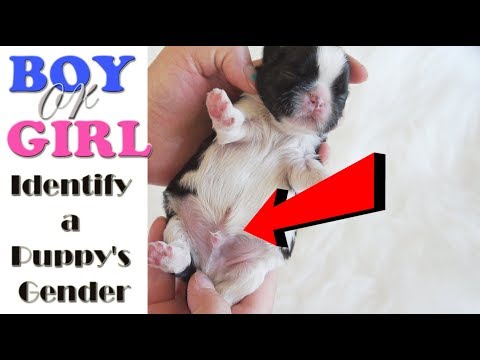
Recognizing the difference between male and female Husky puppies involves observing specific physical traits. By looking closely at their anatomy, you can identify key characteristics that differentiate the two.
Identifying Male Husky Puppies
To identify male Husky puppies, start by looking for external genitalia, which is usually visible under the tail. Male puppies typically have a pair of testicles that can be seen, though they may not always be fully descended depending on their age.
When you conduct a physical examination, gently lift the tail to get a better view. Male pups might also have a slightly wider and thicker neck compared to females. Their demeanor can be more playful and assertive, reflecting their natural readiness to explore.
Identifying Female Husky Puppies
For female Husky puppies, look for the vulva located just below the tail. The vulva may appear as a small, rounded structure that is less pronounced than the male’s external genitalia.
During a physical examination, you may notice that females generally have a more slender and delicate frame. Female puppies can also display nurturing behaviors earlier than males, often playing more gently with toys or littermates. Understanding these traits can help you confidently determine the gender of your Husky puppy.
Behavioral Differences and Socialization

When looking at how a husky puppy behaves, you’ll notice some distinct differences based on gender. Social interactions, personal traits, and levels of affection can vary between male and female huskies.
Role of Social Interactions
Social interactions play an essential role in shaping your puppy’s behavior. Male huskies often show a stronger desire to be near you, wanting to stay close and observe your actions. They may display more dominant behaviors, which can include playful roughhousing or asserting themselves in social settings.
In contrast, female huskies may seem more independent. They might not always seek your attention or follow you around. It doesn’t mean they lack affection; rather, they may enjoy having their space and can be just as loving in their way. Encouraging friendly interactions with other dogs and people helps build confidence in both genders.
Independence and Dependency
When it comes to dependency, male huskies typically lean more on you for comfort and guidance. They often thrive when they feel like they have a pack leader, so establishing your role early is important. This connection can help reduce any potential behavioral issues later.
Female huskies, on the other hand, often display a balanced mix of independence and affection. They may feel secure in their environment and are less likely to rely solely on you for reassurance. Understanding these traits will help you provide the right kind of socialization that caters to both male and female personalities.
Growth and Development Considerations

As your husky puppy grows, you’ll notice important physical changes and milestones. Understanding these can help you provide the best care for your new furry friend.
Physical Development Milestones
Your Siberian Husky will go through several key stages of physical growth. Newborn puppies typically weigh around 350 to 450 grams. By six months, you can see if your husky is leaning towards the size of a male or female.
Size Differences:
- Female Huskies: 14 to 16 inches tall, weigh 23 to 33 pounds.
- Male Huskies: 20 to 24 inches tall, weigh 35 to 60 pounds.
The body shape will start to become more defined as they reach maturity at around 10 to 12 months. Regular vet check-ups are essential to track your puppy’s growth progress.
Caring for Your Husky During Growth
Caring for male and female huskies requires attention to their individual needs. Ensure that you feed them a balanced diet suited for their age. Puppies need more calories to fuel their rapid growth.
Daily Care Tips:
- Provide proper exercise to maintain a healthy weight.
- Socialize your husky with other dogs to promote friendly behavior.
- Be mindful of their energy levels, as huskies are known for being playful and lively.
Monitor their behavior and body shape closely. This information will help you determine if your puppy is developing healthily and reaching the expected growth milestones.
Advanced Identification Techniques

When trying to determine the gender of your husky puppy, there are more advanced methods you can consider. These methods can help provide clear answers and ensure you are well-informed about your puppy’s health and genetics.
Genetic Testing for Puppy Gender
Genetic testing is a reliable way to find out if your husky puppy is a boy or girl. This method involves taking a small sample of your puppy’s DNA, often through a cheek swab or blood test.
You can send this sample to a veterinary lab. The lab analyzes the genetics and can identify the sex based on the presence of certain chromosomes.
Pros of genetic testing:
- High accuracy
- Can reveal other health concerns
- Provides information on genetic traits
While this method may incur some costs, the information gained can be valuable for your puppy’s future health and compatibility with other pets.
Health Screening for Husky Puppies
Health screening focuses on understanding any potential issues that may come with gender identification. It doesn’t directly indicate gender like genetic testing, but it can reveal reproductive health.
Veterinarians might perform an ultrasound to check for reproductive organs. This is especially helpful for early detection of any health concerns.
Key aspects of health screening:
- Evaluate hormone levels
- Identify any health issues related to gender
- Assess grooming needs specific to gender
Understanding your puppy’s health helps you prepare for their needs and how they interact with your family and other pets. Being informed ensures a happy and healthy life for your husky.


