
Cocker spaniels are lovable companions, but their unique breeds can sometimes lead to unwanted odors. If you’re wondering how to eliminate those smells, it’s important to know that regular grooming, dental care, and ear cleaning can help keep your cocker spaniel smelling fresh.
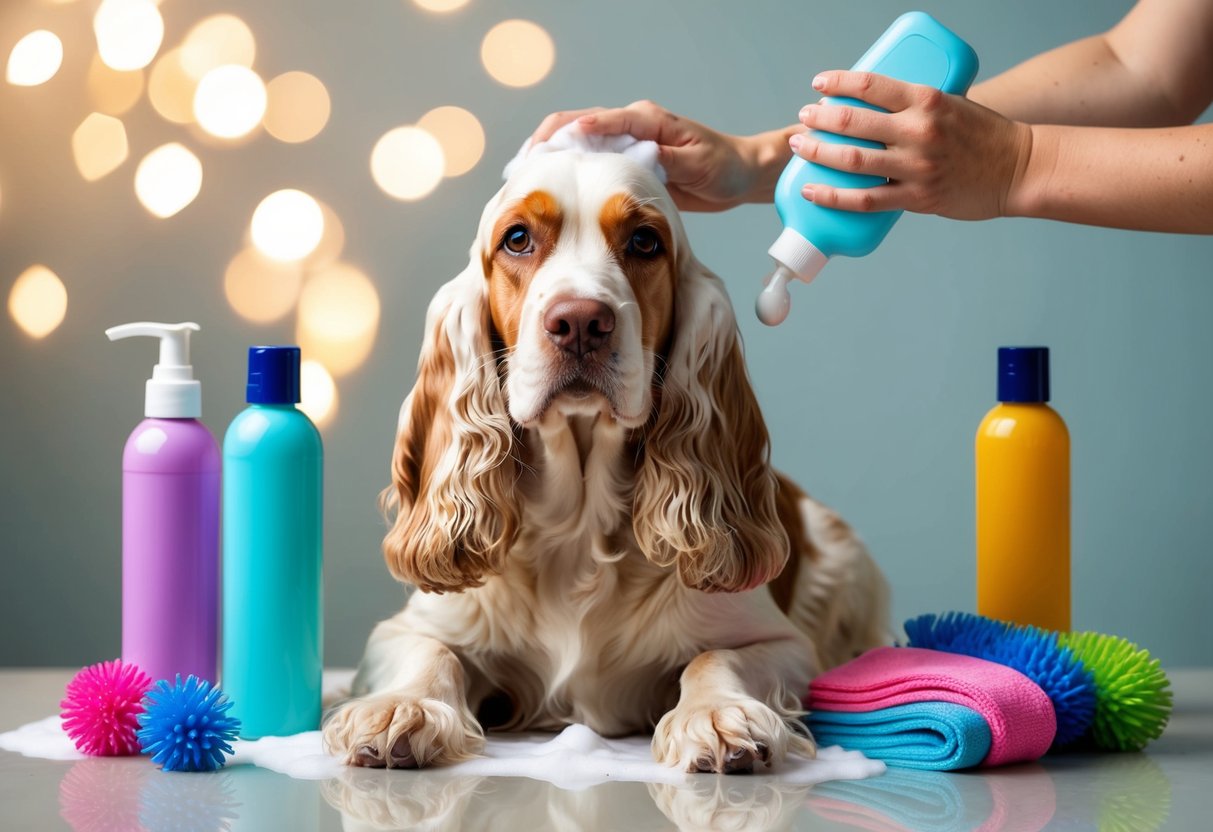
Many owners might think that a smelly cocker spaniel is just part of having the breed, but that doesn’t have to be the case. By addressing common issues like skin problems or ear infections, you can prevent and manage bad smells effectively.
Caring for your furry friend’s coat, teeth, and ears is the key to a happier, healthier dog that smells great.
Don’t let a little odor get in the way of your connection with your cocker spaniel. With proper attention and care, you can create a cleaner, more pleasant environment for both of you. Stick around to discover simple tips and tricks to keep your cocker spaniel smelling its best!
Understanding Why Your Cocker Spaniel Smells

Your Cocker Spaniel may develop unpleasant odors for various reasons. Knowing the common causes can help you address the issue effectively.
Common Health Issues Leading to Odors
Several health problems can cause your Cocker Spaniel to smell. One common issue is ear infections. Cocker Spaniels are prone to ear problems due to their long ears, which can trap moisture and dirt, leading to infections.
Skin infections are another culprit. These infections can arise from allergies or irritants, resulting in a foul smell.
Additionally, bad breath can be a sign of dental issues or poor oral hygiene. Regular dental care is essential to prevent this.
Allergies can also lead to skin problems, triggering itching and infections that contribute to odors.
Finally, issues with the anal sac can create a strong odor. If your dog’s anal glands become impacted, they may leak, causing an unpleasant smell.
Role of Grooming in Managing Odor
Grooming plays a crucial role in keeping your Cocker Spaniel smelling fresh. Regular brushing helps remove loose hair, dirt, and debris that can contribute to odors.
Make sure to check your dog’s ears regularly. Clean them properly to prevent ear infections. You should also keep an eye on your dog’s skin. Bathing your dog with a suitable shampoo can help manage skin issues and reduce bad smells.
Don’t forget about your dog’s teeth. Dental hygiene is vital for preventing bad breath. Consider using dental treats or brushing your dog’s teeth regularly.
Taking care of your Cocker Spaniel’s grooming needs can help minimize odors and keep your furry friend healthy.
Routine Care to Reduce Odors
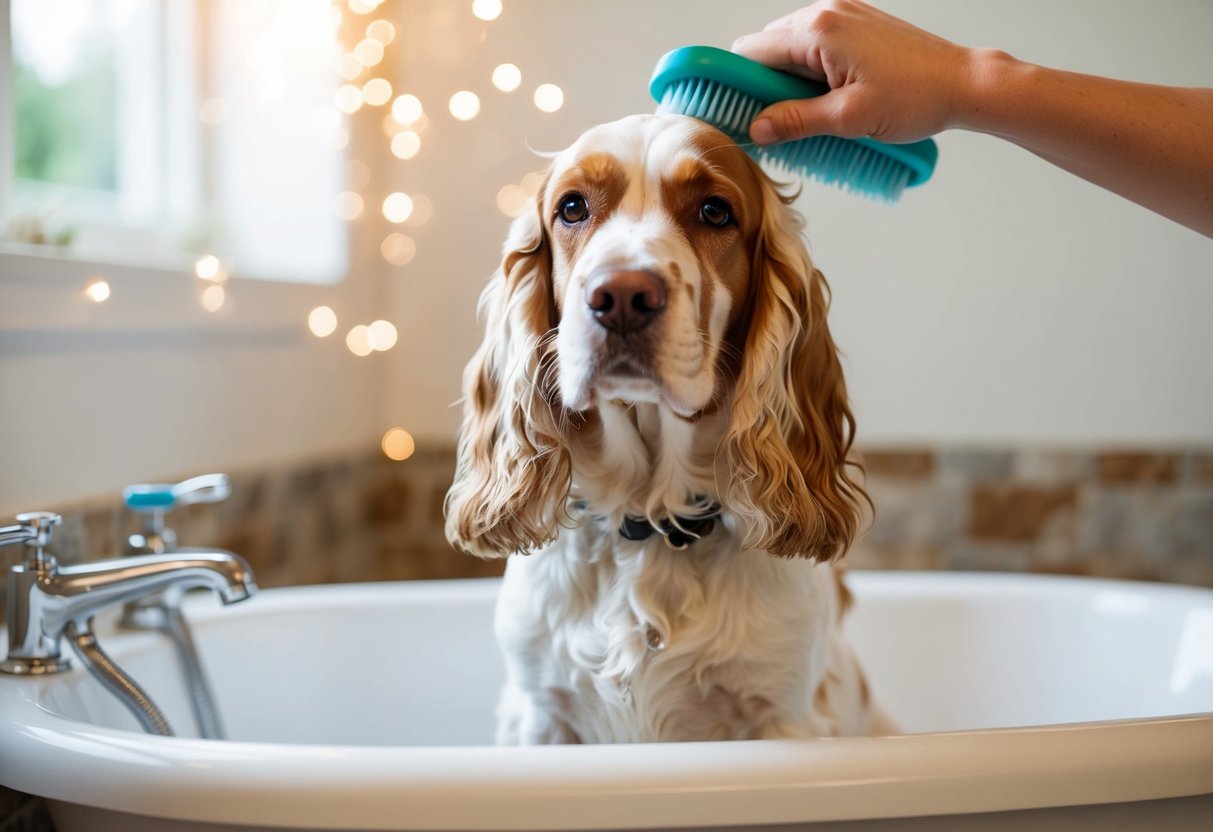
Taking care of your cocker spaniel’s regular grooming, dental hygiene, and diet can significantly cut down on unpleasant odors. By following these key care routines, you can help keep your furry friend smelling fresh and clean.
Regular Grooming and Bathing
Grooming is essential for reducing dog smells. Regular brushing helps remove loose hair and dirt. It also distributes natural oils that keep your dog’s coat healthy and shiny.
Aim to brush your cocker spaniel at least 2-3 times a week. Pay attention to areas like the ears and underbelly, where dirt can accumulate.
Bathing should be done every 4-6 weeks using a dog-specific shampoo. This helps remove odors while keeping the skin moisturized. Always make sure to dry your dog thoroughly to prevent dampness, which can lead to smells.
Importance of Dental Hygiene
Dental hygiene is often overlooked but is very important for reducing odors. Tartar buildup in your dog’s mouth can create strong smells.
To prevent this, brush your cocker spaniel’s teeth at least 2-3 times a week using toothpaste made for dogs.
In addition, consider giving your dog dental chews. They can help clean teeth and freshen breath. Regular dental check-ups at the vet can also keep oral health in check.
Keep an eye on any signs of a potential dental issue, like swollen gums or difficulty eating. Addressing problems early can help prevent odors before they start.
Diet and Digestive Health
What your cocker spaniel eats plays a big role in how they smell. A proper diet that includes high-quality, protein-rich food keeps your dog’s digestive system running smoothly. Avoid foods that upset their stomach, leading to bad breath and body odor.
If your dog is prone to gas or digestive issues, talk to your vet. They may suggest specific food that’s easier to digest.
Always make sure fresh water is available. Staying hydrated helps your dog’s digestion and can also refresh their breath.
Specific Conditions and Their Solutions
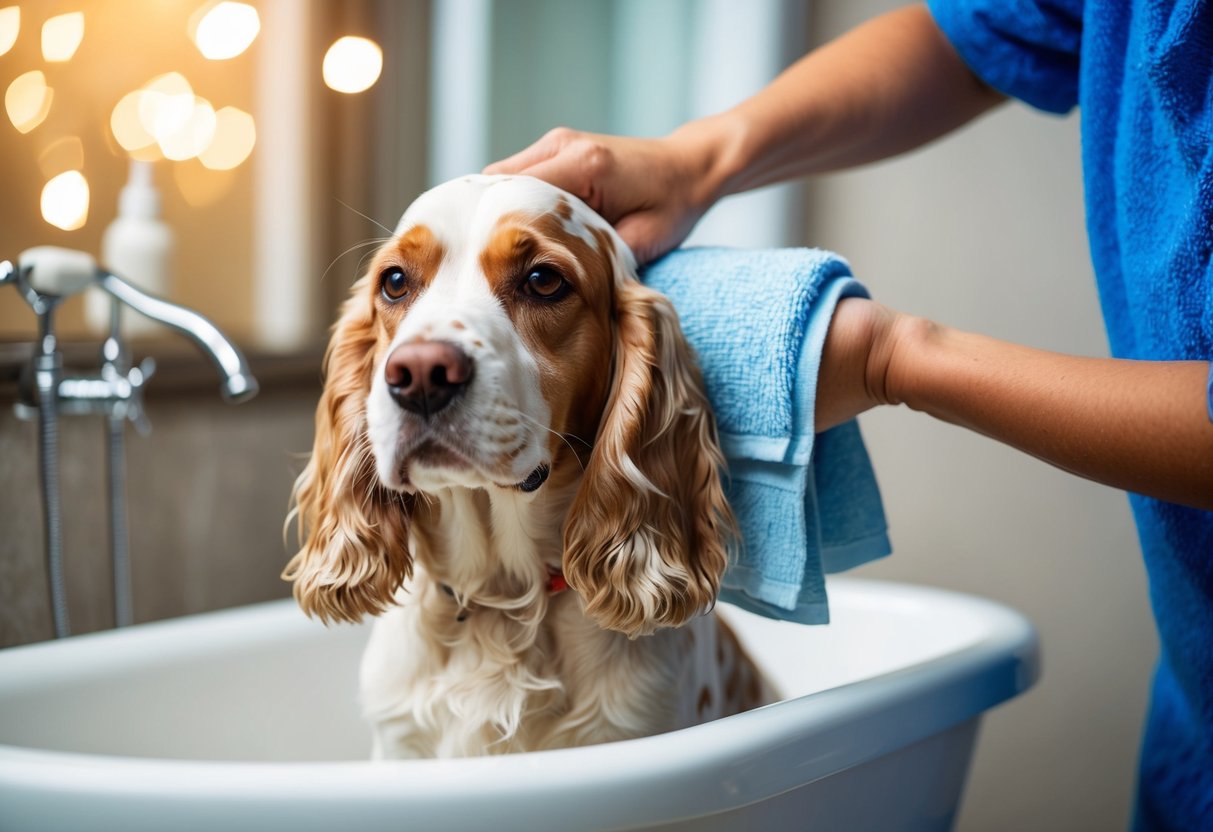
To help your Cocker Spaniel stay fresh, it’s essential to address specific conditions that may cause unpleasant odors. Focusing on ear care, skin management, and anal gland issues can make a significant difference in keeping your furry friend smelling their best.
Ear Care to Prevent Infections
Cocker Spaniels are prone to ear infections due to their long, floppy ears. Regular ear cleaning is key to preventing buildup of moisture or debris that leads to a fishy smell.
Use a vet-approved ear cleaner and follow these steps:
- Prepare: Gather your supplies—a cotton ball or pad and the cleaner.
- Clean: Gently apply the cleaner into the ear canal.
- Massage: Close the ear flap and massage the base to help loosen dirt.
- Wipe: Use a cotton ball to wipe away any excess moisture.
Check your dog’s ears weekly. If you notice persistent odor or redness, consult your veterinarian. Proper ear care is crucial for avoiding infections and unpleasant smells.
Managing Skin Conditions
Skin conditions can contribute to a distinct odor. Cocker Spaniels may develop allergies or infections that can lead to itching and irritation.
To manage these conditions:
- Regular Baths: Bathe your dog with a gentle, hypoallergenic dog shampoo. This helps remove dirt and oils that cause smells.
- Brushing: Brush your dog daily to reduce loose hair and dander.
- Inspect Regularly: Check your dog’s skin for any signs of irritation or bumps.
If you spot any unusual redness or excessive scratching, consider visiting your veterinarian. They can recommend treatments, including medication or special shampoos, to alleviate skin issues.
Addressing Anal Gland Issues
Your Cocker Spaniel may experience anal gland issues, which can cause significant odor. This is often due to glands that do not empty properly.
To address this problem:
- Regular Checks: Check the area for any signs of swelling or discharge.
- Gland Expression: A professional can regularly express the glands to prevent discomfort and odor.
- Diet Matters: Feeding a high-fiber diet can promote healthy bowel movements, helping the glands empty naturally.
Consult your veterinarian if your dog shows signs of discomfort or if you notice a strong fishy smell. They can provide guidance on managing and treating anal gland issues effectively.


