
Cocker Spaniels are lovable companions, but like any dog, they can sometimes show behaviors that concern their owners. Some Cocker Spaniels exhibit food aggression, where they may become protective or possessive over their food. Understanding this issue can help you create a safer and more harmonious environment for you and your furry friend.

It’s important to recognize the signs of food aggression. You might notice your Cocker Spaniel growling, snapping, or making themselves appear larger when you approach their food. These behaviors often stem from instincts or past experiences related to food scarcity. Addressing this behavior early can prevent it from escalating into a more serious problem.
By learning how to identify and manage food aggression, you can ensure that mealtime is a positive experience. Knowing the right steps to take can help you foster a trusting relationship with your Cocker Spaniel, allowing them to feel secure in their home.
Understanding Food Aggression in Cocker Spaniels
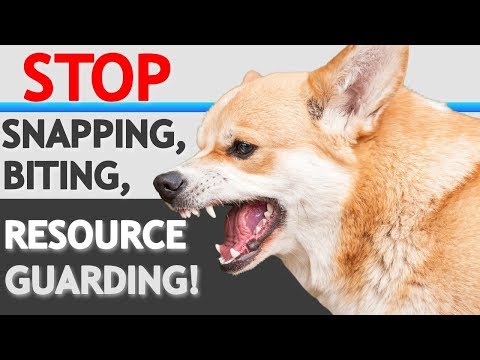
Food aggression in Cocker Spaniels can be concerning for pet owners. Recognizing signs of this behavior and understanding its intensity can help in managing it effectively. Let’s explore what you might see and how to differentiate it from other forms of aggression.
Common Signs and Symptoms
Food aggression often shows up through specific behaviors. Your Cocker Spaniel might exhibit resource guarding, where they defend their food bowl. You may notice signs such as growling or even snapping if someone gets too close. Other behaviors can include stiff body posture while eating, and barking and lunging when approached.
Being aware of these signs early on can help you address the issue. If you’re not sure, watch how your dog reacts during feeding times. If they seem anxious, it could indicate deeper problems with food anxiety or past experiences of food scarcity.
Evaluating the Intensity of Aggression
Not all food aggression is the same. You will want to evaluate how severe your dog’s behavior is. Mild aggression might include a low growl when you get near the bowl. More severe cases could involve biting or snapping if they feel threatened.
It’s important to classify your dog’s behavior. Keep in mind that behaviors can escalate if not addressed. If you notice serious signs, it may be time to consult a professional dog trainer or behaviorist who can help you manage these situations effectively.
Rage Syndrome vs. Food Aggression
Understanding the difference between rage syndrome and food aggression is crucial. Rage syndrome is a rare disorder where dogs become uncontrollably aggressive without warning. This is different from food aggression, which is related to defending their food.
If your Cocker Spaniel shows sudden and intense aggression that seems out of character, it’s important to consult a veterinarian. They can help determine if your dog has rage syndrome or another underlying issue. By knowing these distinctions, you can find the right approach to keep both your dog and family safe.
Training and Managing Your Cocker Spaniel

Training your Cocker Spaniel is key to preventing food aggression and ensuring they behave well. Focus on establishing your role, using positive techniques, and gentle methods like desensitization and hand feeding. These steps create a trusting and happy environment for your dog.
Establishing Yourself as the Pack Leader
Being the pack leader means your Cocker Spaniel looks to you for guidance. This establishes trust and respect. You can show this through consistency in rules and routines.
Set clear boundaries around food. For example, always have them sit calmly before meals. This teaches them good behavior while eating. Also, maintain a calm energy during training. Dogs pick up on your mood.
Establish yourself as a leader through daily commands like “sit” and “stay.” Regular obedience training helps your dog understand your expectations.
Positive Reinforcement Techniques
Using positive reinforcement helps shape your Cocker Spaniel’s behavior. This means rewarding them for good behavior, not just punishing undesirable actions.
When your dog exhibits calm behavior around food, reward them with treats or praise. This encourages them to repeat that behavior. Use a treat they love, making sure it’s special for training times.
Consistency is key. Always reward good actions immediately so your dog associates the behavior with the treat. Keeping training sessions short, around 5-10 minutes, makes them enjoyable and effective.
Desensitization and Hand Feeding
Desensitization is a method that helps your dog feel more comfortable around food. Start by showing your dog the food while they are calm. Gradually increase their exposure while rewarding relaxed behavior.
Hand feeding is another great way to build trust. Start by offering small pieces of food from your hand. This not only helps with their food aggression but also strengthens your bond.
Keep sessions calm and positive. If your Cocker Spaniel shows any signs of aggression, stop the activity and try again later. Patience is crucial in this process. With time, your dog will become more relaxed around food and see you as a trusted partner in meal time.
When to Seek Professional Help

Recognizing when to seek professional help for food aggression in Cocker Spaniels is crucial. Addressing these issues early can prevent them from escalating and ensure a safe environment for your family pets.
Identifying Behavioral Issues
Watch for signs of food aggression in your Cocker Spaniel. Common behaviors include growling, snapping, or keeping food away from others. If your dog shows these symptoms, it’s time to take action.
Keep an eye out for other indicators, such as stress-related behaviors like excessive barking or destructive chewing.
Ignoring these behaviors can lead to serious problems, not just for your dog but for your family too. If the aggression worsens or new issues arise, professional help is essential. Remember, your pet’s wellbeing and your family’s safety should always come first.
Choosing the Right Professional
Choosing an expert can feel overwhelming. Look for a professional trainer or behaviorist with experience in dog aggression. Ask for recommendations from trusted sources like friends or veterinarians.
Before making your decision, consider the following:
- Check their credentials and training methods.
- Look for reviews or testimonials.
- Schedule a consultation to see if their approach aligns with your needs.
Finding the right person can make a big difference in your dog’s behavior. A qualified expert can help build a plan tailored to your pet’s specific needs, setting you both up for success.


