
Cocker Spaniels are known for their friendly and affectionate nature, which makes many people wonder if they can be considered lap dogs. While they may not be traditional lap dogs, Cocker Spaniels certainly love to cuddle and enjoy spending time close to their owners. You’re likely to find your Cocker Spaniel wanting to sit beside you or even on your lap after a long day.
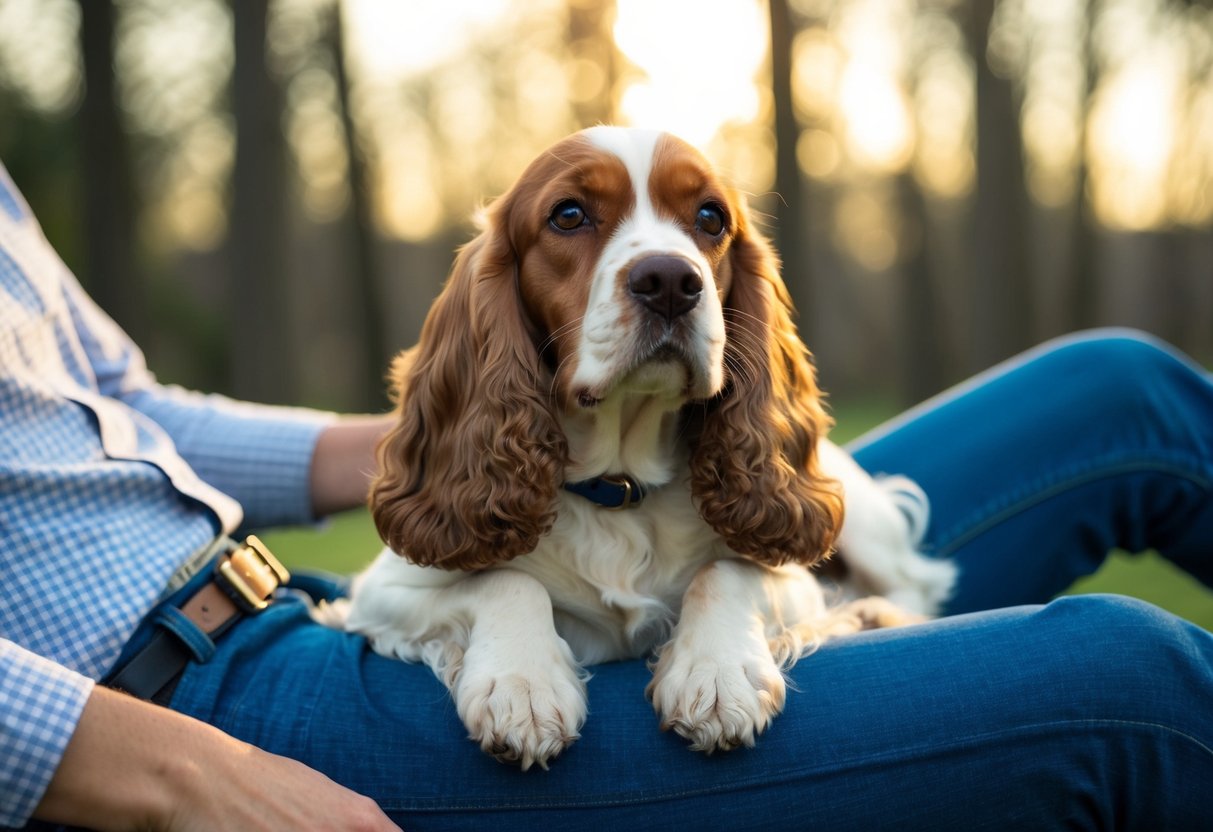
If you’ve ever had a Cocker Spaniel, you know how they thrive on human interaction. Their gentle disposition and playful personality can make them excellent companions. Many owners appreciate their loyalty and the bond they form, which makes the idea of having one as a lap dog appealing.
It’s important to understand that while Cocker Spaniels may not fit the typical mold of a lap dog, they offer plenty of love and attention that creates a cozy and warm atmosphere. Whether they’re resting on your lap or snuggling next to you, they sure know how to make you feel loved!
Characteristics of Cocker Spaniels

Cocker Spaniels are known for their charming looks and affectionate nature. They are great family pets and can make wonderful lap companions. In this section, you will learn about their physical attributes, temperament, and socialization needs.
Physical Attributes
Cocker Spaniels are small to medium-sized dogs. Males typically weigh between 20 to 30 pounds and stand about 14 to 16 inches tall. Females are slightly smaller, ranging from 20 to 25 pounds and 13 to 15 inches in height.
They have a distinctive silky coat that requires regular grooming. Their ears are long and droopy, adding to their cuteness. Many owners choose to keep their Cocker Spaniels’ fur trimmed to manage shedding and maintain cleanliness.
In addition, they have expressive, soulful eyes that endear them to many. Overall, their physical traits make them a standout breed in the dog world.
Temperament
The temperament of Cocker Spaniels is one of their most appealing characteristics. These dogs are known for their friendly and affectionate nature. They bond closely with their families and enjoy being around people.
Cocker Spaniels often display a playful spirit and are good with children. They have a gentle demeanor, making them excellent family pets.
Although they have hunting instincts, they can adapt well to family life. They thrive on attention and affection, which makes them ideal lap companions. They can be sensitive to the mood of their owners and often provide comfort when needed.
Socialization Needs
Socialization is important for Cocker Spaniels to develop into well-rounded pets. Introduce them to various people, pets, and environments early in life. This helps them become less anxious and more confident.
Regular social interactions can reduce shyness or excessive barking. Cocker Spaniels typically enjoy being with other dogs, due to their friendly nature.
Training is also essential. Basic commands and good manners will keep your Cocker Spaniel well-adjusted in social settings. With the right guidance, they will thrive as a loving addition to your family.
Understanding Lap Dogs

Lap dogs are known for their affectionate and friendly nature. They thrive on close contact with their owners and often enjoy cuddling. This section explores what makes lap dogs unique, their popular breeds, and the difference between large and small lap dogs.
Traits of Lap Dogs
Lap dogs typically share several common traits. They are often small in size, making them perfect for sitting on your lap. Their friendly and gentle demeanor makes them great companions. You might find that they are eager to cuddle, forming strong bonds with you.
Many lap dog breeds, like the Cavalier King Charles Spaniel, enjoy attention and thrive on human interaction. Dogs such as Pugs and Shih Tzus are known for their playful yet lazy behavior, often preferring to relax with you on the couch. These dogs are often referred to as “cuddle buddies” and are ideal for those who enjoy close companionship.
Popular Lap Dog Breeds
When considering a lap dog, a few breeds stand out. Maltese and Havanese are well-loved for their affectionate personalities. They enjoy cuddling and spending time with their owners.
Breeds like the Bichon Frise and Japanese Chin are also popular choices. These dogs are known for being calm and loving, making them some of the best lap dogs. You might also consider Bulldogs, as many enjoy lounging around and being close to their owners.
Each breed has its own unique traits, so it’s essential to choose one that fits your lifestyle.
Large vs Small Lap Dogs
While many lap dogs are small, some larger breeds can also fit the bill. Small lap dogs like Pugs and Maltese easily curl up in your lap. Their size allows for easy cuddling and companionship.
On the other hand, larger lap dogs, such as some Bulldogs, can also enjoy snuggling but may take up more space. They are known for their calm demeanor and loyalty. You’ll find that both large and small lap dogs are great at offering love and warmth. Remember to consider your living space and lifestyle when choosing the right lap dog for you.
Caring for a Cocker Spaniel

Caring for a Cocker Spaniel involves attention to grooming, exercise, training, and nutrition. These dogs thrive on love and care, making them wonderful family pets. You’ll want to make sure you meet their needs for health and happiness.
Grooming and Health
Cocker Spaniels have beautiful, silky coats that need regular grooming. Brush your dog at least 2-3 times a week to prevent mats and tangles. Regular grooming also helps you check for signs of skin issues or parasites.
Additionally, keep their ears clean and dry, as Cocker Spaniels are prone to ear infections. A veterinarian check-up is essential at least once a year. Keep vaccinations up to date and discuss spaying or neutering with your vet. Regular health checks can help ensure your furry friend remains a happy companion.
Exercise and Training
Cocker Spaniels are energetic and playful. They need at least 30-60 minutes of exercise each day to stay healthy and happy. Daily walks and playtime are essential for their well-being.
Training is very important for these dogs. Start early with basic commands to build a strong bond. Positive reinforcement works best—use treats and praise to encourage good behavior. Consistent training helps make your Cocker Spaniel well-behaved, which is important for family life. Socialization is also key, so expose your puppy to different people and situations as they grow.
Diet and Nutrition
Feeding your Cocker Spaniel a balanced diet is critical. Look for high-quality dog food that lists animal protein as the first ingredient. These dogs thrive on a mix of protein, carbohydrates, vitamins, and minerals.
You may also consider adding omega fatty acids for a healthy coat. Avoid overfeeding, as Cocker Spaniels can be prone to obesity. Follow the feeding guidelines on the dog food package. Adjust portions as needed based on your dog’s activity level. Always provide fresh water and consult your vet about treats and supplements to keep your Cocker Spaniel healthy and active.


