
If you have a garden that you want to protect from curious wildlife, you might be wondering how to stop foxes from climbing your fence. These clever animals have a knack for finding their way into yards, and their climbing skills can pose a challenge for even the most secure fences.
To keep foxes out, consider installing a fence that is at least six feet high and adding features that prevent climbing, like an outward bend at the top.
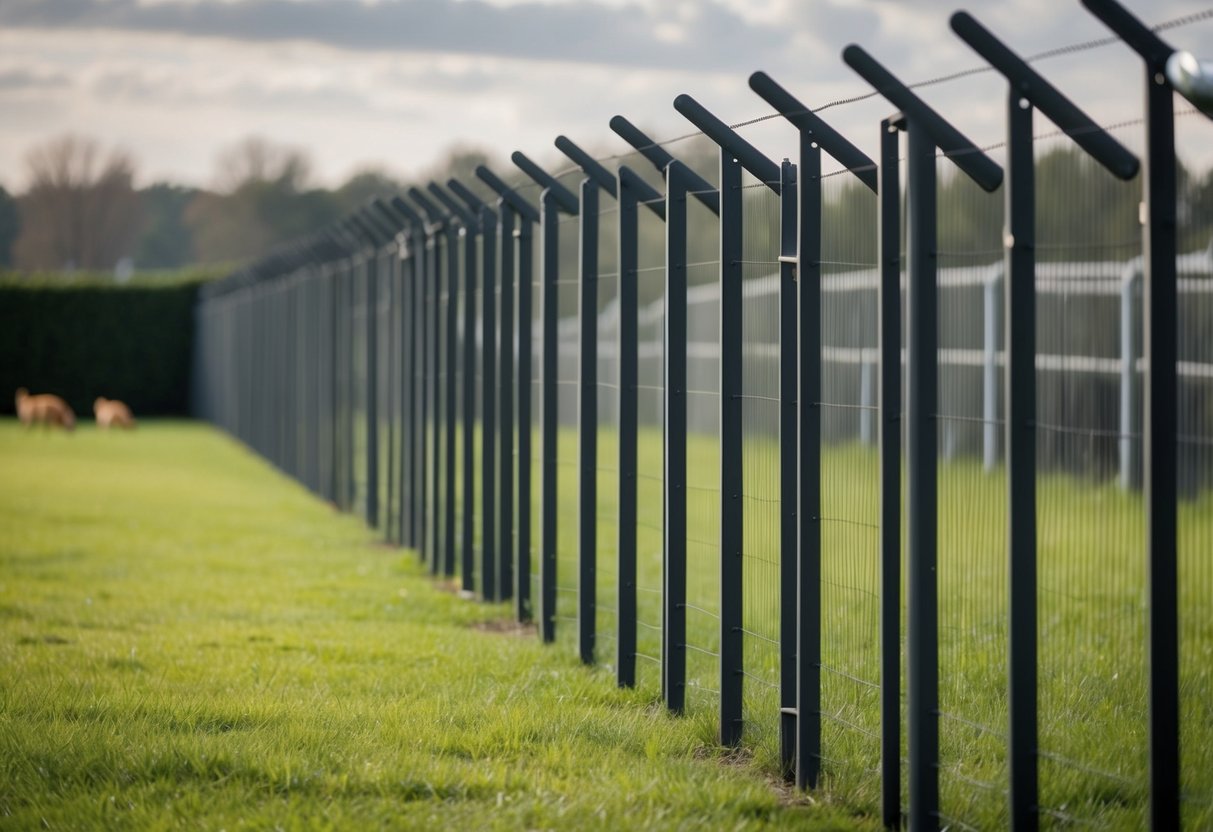
Foxes can reach impressive heights when they set their minds to it. They often jump around three feet and use their sharp claws to scale even taller fences. They are smart and adaptable, which means your fence must be both sturdy and strategically designed.
Adding elements like spiked wire or an electric fence can make your barrier more effective against these crafty intruders.
Taking steps to block foxes not only protects your garden but also helps maintain a peaceful balance with wildlife in your area.
Understanding Fox Behavior

Foxes are clever animals with unique behaviors. Knowing why they climb fences and how they mark their territory can help you protect your yard.
Why Foxes Climb Fences
Foxes are agile and curious creatures. They can jump and climb fences up to six feet high. This ability is often driven by their search for food or a safe space. Urban foxes, like red and grey foxes, are especially adept at navigating city environments.
When looking for food, they might try to access your yard where small animals may be present. They have a keen sense of smell and can detect leftover pet food or compost, which attracts them to your space.
Fences aren’t always a complete barrier, so understanding their motivations helps you find effective ways to deter them.
How Foxes Mark Territory
Foxes establish their territory to secure food and attract mates. They use scent marking as a primary method. Foxes have scent glands that allow them to leave their mark on trees, bushes, and even the ground.
You might notice a fox rubbing its face or body against objects to spread its scent. This act signals to other foxes that the area is claimed. In urban settings, foxes may frequent parks or backyards to mark territory.
This behavior can sometimes lead them to your fence as they explore and claim areas. Keeping your yard clean of attractants helps reduce fox visits and territorial markings.
Effective Deterrence Strategies

To keep foxes from climbing your fence, you can use a mix of scent deterrents, guard dogs, and physical barriers. These methods can effectively protect your yard and discourage foxes from entering your space.
Using Scent Deterrents
Scent deterrents can be a practical way to keep foxes away from your garden. Foxes have a keen sense of smell, so using strong scents can make them think twice before approaching.
You can try using commercial fox repellents, which often contain natural ingredients. Some common scents that deter foxes include garlic, vinegar, and citrus. You may also consider using predator urine, as the smell of a larger predator can scare them off.
To apply, simply soak cotton balls in these scents and place them around your yard or fence line. Reapply every couple of weeks or after it rains to maintain effectiveness. This method is easy to implement and can significantly reduce fox visits.
The Role of Guard Dogs
Having a guard dog can be an effective strategy for deterring foxes. Dogs have a natural protective instinct, and their presence can discourage foxes from entering your property.
Breeds like German Shepherds, Doberman Pinschers, or even smaller dogs can deter foxes with their barking and scent. You should train your dog to patrol the yard regularly. Their territorial nature will help keep foxes at bay.
Make sure your dog has a secure area to roam. If your dog is outside often, they may even annoy foxes enough to prevent them from approaching your fence. This option also adds companionship and security to your home.
Installing Physical Barriers
Physical barriers are essential for keeping foxes from climbing your fence. Use materials like hardware cloth or wire mesh at least 12 inches deep and extending outward. This approach prevents digging and climbing.
Consider topping your fence with an overhang or adding an electric fence around the perimeter. An electric fence can provide an extra layer of protection.
Make sure the fence height is at least 6 feet, as foxes are capable jumpers. Also, remember that chicken wire can be chewed through, so opt for sturdier options that withstand attempts to break through.
By combining these barriers with scent deterrents, you can create a comprehensive defense against fox intrusions.
Preventative Measures in Your Garden
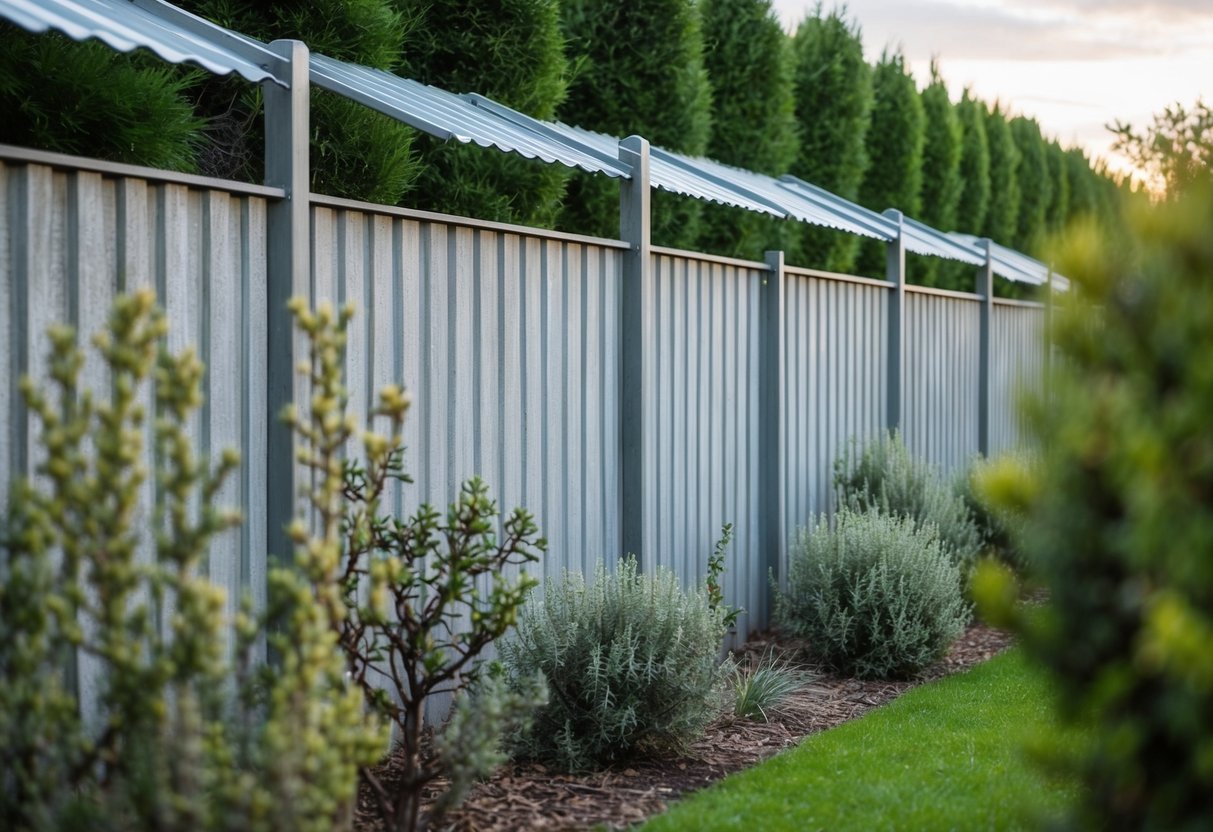
To keep foxes from climbing your fence, you’ll want to focus on several important actions. Addressing food and water sources, securing your pets, and maintaining your garden can significantly reduce the chances of a fox visiting.
Eliminating Food and Water Attractions
Foxes are often drawn to your garden because of food sources. Make sure to remove any food scraps from your yard. This includes fallen fruits, leftover pet food, or any other items that may attract them.
Secure your compost bins tightly, as foxes can smell food even when it’s buried. If you have bird feeders, clean up any seeds that fall to the ground.
Also, check for standing water. If you have a birdbath or small pond, consider removing them during more active times for foxes to help reduce their attractions to your yard.
Securing Livestock and Pets
If you keep livestock or pets, it’s vital to protect them from foxes. Install sturdy fencing to separate your animals from potential threats. Fences should be at least 6 feet tall, with the top angled outward to prevent climbing.
Consider using electrified fencing, but ensure it’s safe for your pets. This can act as an additional layer of security without harming the animals.
When it comes to pets, always store their food indoors. Leaving pet food outside can attract foxes. Give your animals a safe space that has no access to areas where a fox can climb or dig through the fence.
Regular Maintenance Tips
Regular upkeep of your garden is key to keeping foxes at bay. Inspect your fencing regularly for any holes or weak spots. Repair any damage promptly to avoid easy access points.
Keep your yard tidy by trimming back hedges and bushes where foxes can hide.
Add a second layer of fencing or use mesh wire barriers to strengthen your defense. You can also bury a few inches of mesh at the base of your fence to deter digging.
Advanced Fox Control Methods

When dealing with foxes, it’s important to consider innovative solutions that can effectively keep these animals at bay. Below are some practical methods to enhance your fence security and deter foxes from entering your yard.
Innovative Fencing Solutions
To stop foxes from climbing fences, consider installing an electric fence. This type of fence delivers a mild shock that can discourage foxes from trying to jump over it. Make sure the fence height is at least six feet to provide a sufficient barrier.
Adding a bent-top fence can also help. Install your fence with a horizontal overhang that angles down toward the yard. This design makes it difficult for foxes to climb over.
Always check for gaps at the bottom or sides of the fence. You can bury the base of the fence a foot underground to prevent foxes from digging underneath.
These adjustments can create a more secure environment for your property.
Motion-Activated Devices
Motion-activated devices can effectively scare foxes away. You can install a motion-activated sprinkler that releases a burst of water when it detects movement. The sudden spray can startle foxes, making them less likely to return.
Another option is to use motion sensors that trigger lights or sounds when activated. Bright lights or loud noises can deter foxes from coming close to your fence.
Incorporating these devices can add a layer of security to your property. They work well alongside traditional fencing, enhancing your defenses against these clever animals.


