
So, you just got stung by a wasp. Now what? Maybe you’re wondering if what you’re feeling is normal or if you should actually worry.
If you notice swelling that spreads past the sting, hives, itching, or you start having trouble breathing, your body is reacting more strongly than usual to the venom. Those are the big warning signs of an allergic reaction.

Most people just get a little pain and redness where the wasp stung them. But if you start feeling dizzy, can’t breathe well, or your face or throat gets puffy, you need medical help right away.
Knowing what to watch for can help you act fast and stay safe.
How to Recognize an Allergic Reaction to a Wasp Sting
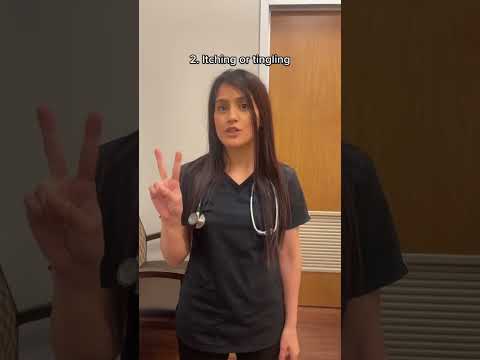
When a wasp stings you, your body can react in a few different ways. Sometimes it’s just a mild reaction right where you got stung.
Other times, things get more serious and your whole body gets involved. It’s good to know what’s normal and what’s not.
Signs of Mild Versus Severe Allergic Reactions
If you’re having a mild allergic reaction, you’ll probably see some swelling, redness, or itching just around the sting. Maybe you’ll get a rash or hives close by.
The pain can hang around longer than you’d like, but it usually stays put.
A severe allergic reaction is different. Swelling can show up on your face, lips, or throat.
Suddenly it might be hard to breathe, or you could start wheezing. You might feel dizzy, sick to your stomach, or notice your heart racing.
Those are big red flags—your body’s having a tough time with the venom and you need to get help.
Identifying Symptoms of Anaphylaxis
Anaphylaxis is the scariest reaction you can get from a wasp sting, and it comes on fast. If you can’t breathe or your throat feels tight, don’t wait—get help now.
You might also feel faint or dizzy, probably from your blood pressure dropping suddenly.
Other signs? Vomiting, confusion, or swelling that spreads far from the sting. Anaphylaxis hits your whole body and can send you into shock.
If you see any of these symptoms, call emergency services or use an epinephrine injector if you have one handy.
Large Local Reaction Versus Systemic Allergic Reaction
A large local reaction means swelling and redness that gets bigger than normal but mostly stays near the sting. This can last a few days but usually doesn’t cause bigger health issues.
A systemic allergic reaction is different—it affects areas away from the sting. Hives might pop up on your arms or legs, your chest could feel tight, or you could feel dizzy.
Systemic reactions mean the venom is moving through your bloodstream and you need care right away.
Pay close attention to how you feel, not just at the sting site. Sometimes symptoms sneak up on you.
Learn more about signs of severe allergic reactions to wasp stings.
Diagnosis and Next Steps for Suspected Wasp Sting Allergy

Think you might be allergic to wasp stings? It’s good to know how doctors figure that out and what you can do to stay safe.
You might need some tests, a visit to a specialist, and a plan for emergencies.
When to See an Allergist
If you’ve had serious symptoms after a wasp sting—like trouble breathing, swelling in your face or throat, dizziness, or a racing heartbeat—it’s time to see an allergist.
An allergist knows how to diagnose and treat insect sting allergies.
You should also book an appointment if you’ve had a bad reaction before, or if things seem to get worse every time you’re stung.
Even if your last reaction was mild, it doesn’t hurt to double-check with a specialist.
Common Diagnostic Methods
To figure out if you’re allergic, the allergist will talk with you about your medical history and symptoms. They’ll probably ask about any past stings and what happened afterward.
Usually, they’ll use two main tests:
- Skin prick test — They put a bit of venom on your skin and scratch it in. If your skin reacts, you might be allergic.
- Blood test — This one checks for specific antibodies to wasp venom in your blood.
Both tests come with their own pros and cons. Skin prick tests can sometimes cause mild reactions, and no test is perfect, so your story matters.
Doctors do these tests carefully so you don’t end up with a bad reaction during testing.
Emergency Treatment and Preparedness
If you’re allergic to wasp stings, your doctor might give you an epinephrine auto-injector (most people just call it an EpiPen). It’s smart to keep this with you wherever you go.
Use your EpiPen right away if you notice severe allergic symptoms. Honestly, it’s better to act quickly than to hesitate.
Learn how to use your injector before you ever need it. You should also wear a medical ID bracelet that mentions your allergy.
If a wasp stings you and you use your EpiPen, call emergency services immediately. Don’t try to tough it out or wait to see if you feel better.
Your allergist could recommend allergy shots (immunotherapy) to help lower your risk in the future. Avoiding stings and knowing what to do can really make a difference.
For more details about diagnosis and treatment, check out Wasp Sting Allergy: Symptoms, Diagnosis, and Treatment Options.


