
If you want to feed squirrels safely, just offer small amounts of natural foods—think unsalted nuts, some fresh fruit, and always clean water. Skip the bread, junk food, and anything salty or sugary.
Stick to small portions, switch out old food regularly, and put the food where squirrels can snack without getting too close to people or each other.

Curious about keeping your backyard squirrels both healthy and confident? Start by learning which foods are actually good for them.
Set up a safe feeding spot, and try to avoid making them dependent on you—or accidentally drawing in unwanted critters. Let’s get into what to offer, how to do it, and a few simple rules that’ll keep things safe for everyone.
What to Feed Squirrels for Optimal Health

Feed squirrels foods that match what they’d find in the wild—mostly high-fat nuts, a few small seeds, and some fresh produce. Whole, unsalted nuts and a mix of fruits and veggies give them protein, fats, vitamins, and fiber.
Best Nuts and Seeds to Offer
Go for unsalted, raw nuts like walnuts, hickory nuts, and pecans. These pack healthy fats and calories that squirrels need to get through winter.
Break up big nuts or just leave them whole—squirrels love cracking shells themselves.
Black oil sunflower seeds are a great pick for seed mixes. Their soft shells and high oil content make them easy for even smaller squirrels.
Put seeds in a shallow dish or on a platform feeder so they stay dry.
Skip roasted or salted nuts. If you offer raw peanuts in the shell, do so in moderation and toss any that look moldy.
Change up the types of nuts you offer. Squirrels get a better mix of nutrients that way.
Nutritious Fruits and Vegetables
Slice up fruits like apples and pears, but take out any big seeds or pits. That helps avoid choking and keeps things safe.
Soft fruits can help young squirrels get the hang of chewing.
Vegetables such as carrots, zucchini, and leafy greens work well. Chop them up small so squirrels don’t struggle to eat them.
Root veggies give some fiber and let squirrels chew, which helps keep their teeth in check.
Keep sugary fruits to a minimum. Fruit should be a treat, not the main course.
Always use fresh, clean produce—skip anything with pesticides.
Foods to Avoid When Feeding Squirrels
Don’t feed salted, roasted, or candied nuts. Too much salt or sugar can seriously harm squirrels and even lead to dehydration or obesity.
Avoid bread, chips, and processed snacks.
Steer clear of raisins, dried fruit mixes, or anything with added sugar. These upset their digestion and don’t offer much nutrition.
Skip raw potato, green tomato, and large amounts of fresh corn.
Never try to hand-feed baby squirrels solid food before they’re six weeks old. They need their mother’s milk or a proper formula.
If you find yourself caring for a baby squirrel, reach out to a wildlife rehabilitator for advice.
How to Feed Squirrels Safely in Your Backyard
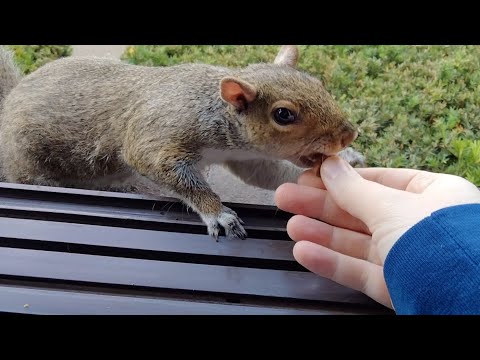
You can keep backyard squirrels happy and well-fed without risking your garden or inviting trouble with birds and pets. The right feeders, good placement, and natural cover make a big difference.
Setting Up Squirrel Feeders
Set up a squirrel feeder at least 8–10 feet away from trees, fences, or roofs. That way, squirrels won’t just leap onto bird feeders or houses.
Use a metal pole or sturdy post stuck in the ground. This keeps raccoons out and stops the feeder from tipping in the wind.
Pick feeders with trays or hopper designs that make squirrels work a little for their food.
Offer unsalted nuts in shells, raw sunflower seeds, and plain corn. Skip anything salted, sugary, or processed.
Clean the feeder every couple of weeks. If food gets wet or moldy, toss it right away.
Put fresh water nearby in a shallow dish. Change the water daily when it’s hot and break any ice in winter.
A steady routine helps squirrels figure out where the safe food is. That means less raiding of bird tables, which is a win for everyone.
Creating a Squirrel Feeding Station
Choose a quiet spot in your yard that’s away from bird feeders and veggie beds. This helps avoid squabbles.
Set the feeding station on a small table or a wide tray about three to four feet off the ground. You’ll get a good view, and the squirrels won’t get spooked.
Don’t overdo it—just a handful of nuts or a small bowl of seeds each day is enough.
Scatter food instead of dumping it in one pile. This encourages natural foraging and cuts down on waste.
Try a wildlife-friendly mat or tray to catch spills and make cleanup easier.
Mix up the food from day to day—maybe nuts one day, pumpkin seeds another. Variety keeps things interesting.
Put the station near some shrubs or trees. Squirrels feel safer with a quick escape route, and you’ll enjoy watching them more.
Using Squirrel-Proof Bird Feeders
If you want to protect your bird feeders, mount them on poles with baffles and keep them 8–10 feet from trees or roofs. Spring-loaded, weight-sensitive feeders shut when a heavy squirrel lands.
For hanging feeders, use cable or flexible wire so the feeder swings if a squirrel jumps on. Add a dome or cone baffle above or below to block climbing.
Keep bird food and squirrel treats separate. That way, you’re less likely to lure squirrels to the bird seed.
If squirrels still get into bird feeders, set up a separate squirrel feeding station at least 20–30 feet away.
This gives birds their own space and helps your yard stay a little more peaceful for everyone.
Plant Sunflowers and Natural Feed Sources
Try planting tall sunflowers along the edge of your yard—they’ll give squirrels a tasty supply of seeds. Go for varieties like “Mammoth” if you want those big, seed-packed heads.
Sow the sunflowers in clusters, and maybe stagger the planting dates a bit. That way, you’ll keep the seeds coming well into late summer and early fall.
If you’ve got the space, add some native nut-producing trees or shrubs like oaks, hickories, or hazelnut bushes. These not only offer food but also shelter and a long-term hangout spot for backyard squirrels.
When you plant young trees, mulch around them and wrap the trunks with guards to keep squirrels from stripping the bark.
Try not to put fruit or veggie beds right next to where you feed squirrels. Otherwise, who could blame them for sampling your garden?
Let the sunflower heads dry right on the stalk. This makes the seeds easier for squirrels to snack on and, honestly, it attracts more of them for you to watch.


