
Ever wonder how Alfred Hitchcock made those bird scenes in The Birds so unsettling and lifelike? You’re definitely not the only one. The filmmakers pulled off a wild mix of real birds, mechanical creations, and clever effects to make those moments stick in your mind.
They actually trained live ravens, gulls, and sparrows to do specific things on set. For the scarier, more dangerous shots, they used life-sized mechanical birds instead. That way, nobody got hurt.

The whole process took patience—lots of it. Trainers used invisible wires and snacks to guide real birds into just the right spots.
When actors needed to be especially close to the birds, or when things got aggressive, the crew swapped in mechanical birds to keep everyone safe. Special effects like optical printing let them multiply flocks on screen, so it felt like a massive, chaotic attack without wrangling thousands of birds at once.
That wild blend of animal training, robotics, and camera tricks gave the film a real sense of danger. There’s a lot more going on behind those scenes than you might expect. If you’re curious about the secrets behind Hitchcock’s bird-filled masterpiece, there’s plenty to dig into. Check out this making of The Birds article for more details.
Techniques Used to Create the Bird Attack Scenes
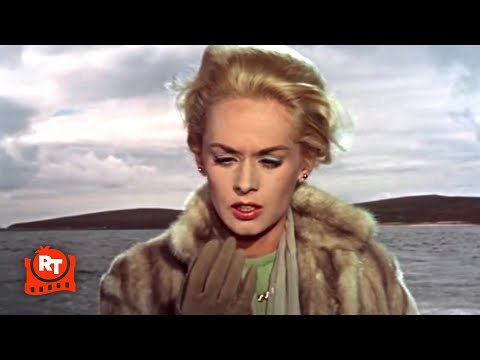
The bird attack scenes in The Birds came together with a mix of real animals, mechanical birds, special effects, and some clever choices about where to shoot. This combo made the action feel both realistic and nerve-wracking.
Real Birds in Action
You see ravens, gulls, sparrows, and crows in plenty of attack scenes. Hitchcock leaned on real birds to get those natural movements.
Training them? That was a massive challenge. Trainers used food and positive reinforcement to get birds to fly, peck, or land where the script demanded.
They also used wires to guide some birds onto actors, like Tippi Hedren. Watching those scenes, you’re seeing real birds do their thing.
The team picked bird species common to Northern California, especially near Bodega Bay. That choice made the setting feel right.
Mechanical Birds and Puppetry
Real birds couldn’t do everything, especially when things got rough.
So, the crew built mechanical birds—full-sized puppets that could flap and peck, controlled by wires and air pumps.
For close-ups, they stuck with mechanical birds to keep actors safe. In wider shots, stuffed birds filled out the flocks, so they didn’t need a sky full of live animals.
That mix made the bird behavior believable without putting anyone in danger.
Special Effects and Matte Paintings
Ever wonder how they made those giant, swarming flocks?
Hitchcock’s team used an optical printer to layer shots, multiplying birds until it looked like a massive attack. That trick let them turn a few birds into a terrifying swarm.
Rotoscoping let them trace birds frame by frame, placing them exactly where Hitchcock wanted. Birds could suddenly smash into windows or fly straight at the actors—right on cue.
Matte paintings handled the impossible: backgrounds packed with birds that would have been a nightmare to film for real. Those paintings blended in so well, you probably didn’t even notice.
Filming at Bodega Bay and Universal Studios
Bodega Bay gave the movie its haunting, windswept look.
This small Northern California town looked isolated and a little spooky—perfect for the film’s vibe. Outdoor scenes captured the real coastline and town.
When the crew needed more control, they shot at Universal Studios. There, they built sets where they could safely manage both real and mechanical birds.
Mixing real locations with studio shots let Hitchcock create a world that felt authentic, but where he could direct the chaos.
For a deeper dive into the effects and filming tricks, check out darkskiesfilm.com.
Challenges and Behind-the-Scenes Stories

Filming The Birds wasn’t easy. The crew had to wrangle aggressive birds, deal with tough working conditions, and face all kinds of unexpected problems.
Working with Tippi Hedren and the Cast
Tippi Hedren went through some rough days on set. Hitchcock pushed her to the limit, sometimes crossing lines that just wouldn’t fly today.
She spent hours being attacked by live birds, especially during that infamous attic scene. The crew tied birds to her clothes to make the action look real.
Hedren has talked about the injuries—bites, scratches, all of it. Hitchcock’s controlling style made things even harder for her. Still, she stuck with it, knowing the film was something special and based on Daphne du Maurier’s chilling story.
Ensuring Actor and Animal Safety
The risk on set was real. The crew worked with more than 25,000 live birds—gulls, crows, ravens, you name it. Sometimes, the birds lashed out, and a few crew members ended up in the hospital.
Trainers tried odd things, like giving seagulls whiskey to calm them. (Can you imagine doing that now?) Animal safety rules were a lot looser back then.
Birds brought lice to the set, too, which spread among the crew. Some birds were drugged or tied down to keep them in place, but that sometimes backfired—birds would fall off sets or just refuse to cooperate.
Safety was a constant challenge, especially during the wildest attack scenes.
Unique Production Obstacles
Technical issues popped up constantly, and wild animal behavior just made things even stranger. The crew originally wanted to use mechanical birds, but honestly, they looked fake and ate up a ton of the studio’s budget.
So, the team switched gears. They went out at night, wore black, and painted their faces to sneak into rookeries and catch thousands of real birds.
Birds didn’t always cooperate. They escaped the set more than once, causing chaos around the studio—and sometimes even at Hitchcock’s own house.
During the phone booth scene, the glass suddenly shattered and gave Hedren a minor injury. Working with live animals and special effects made every day a bit of a gamble. Filming The Birds turned out way tougher than anyone expected.
If you want to dig deeper, check out the making of The Birds.


