
When you think of beavers, you might picture these industrious creatures building dams and shaping their environments. In the UK, the Eurasian beaver, or Castor fiber, is the species you will encounter most often. On average, they can grow to about 1 meter long, with some individuals weighing over 30 kilograms.
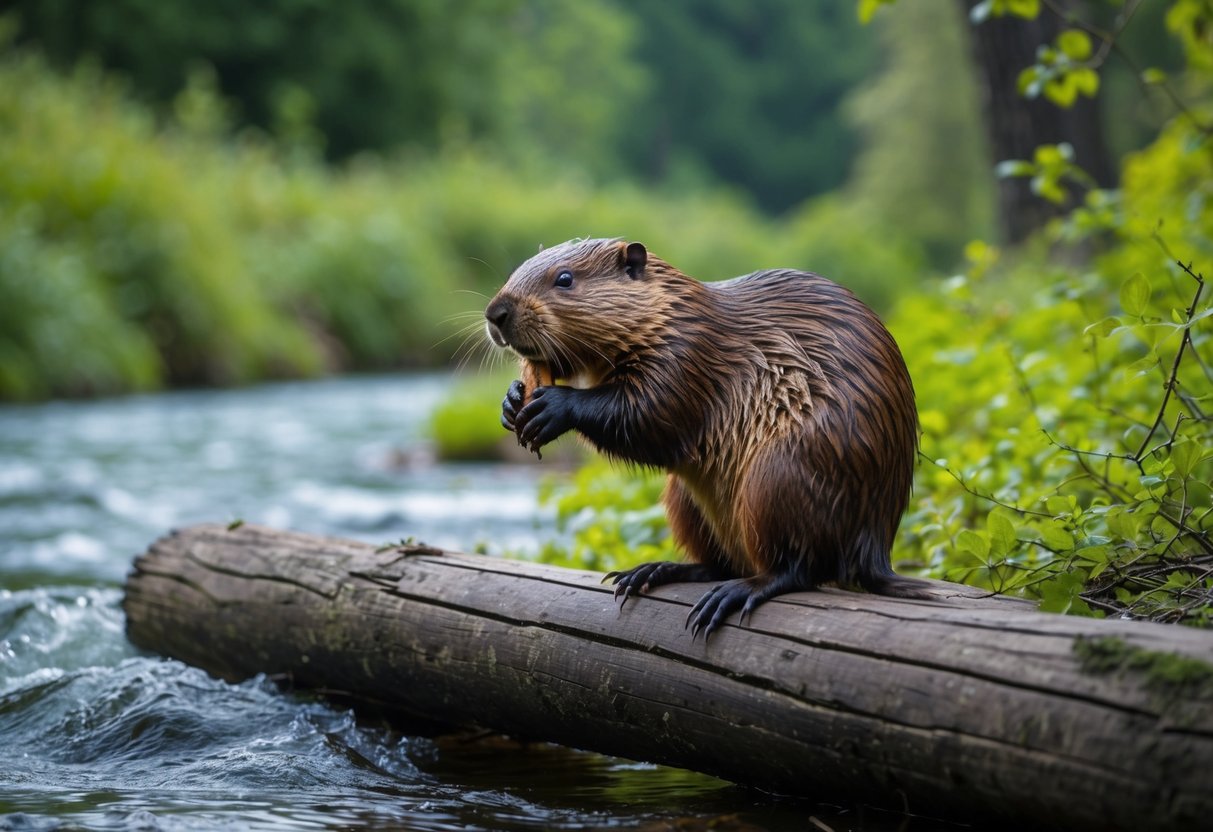
These fascinating animals are not only remarkable builders but also play a vital role in their ecosystems. By creating wetlands, they help improve biodiversity and water quality. As you learn more about their size and how they fit into the UK’s wildlife, you’ll discover the many benefits they bring to our natural surroundings.
Beaver Biology and Physical Characteristics
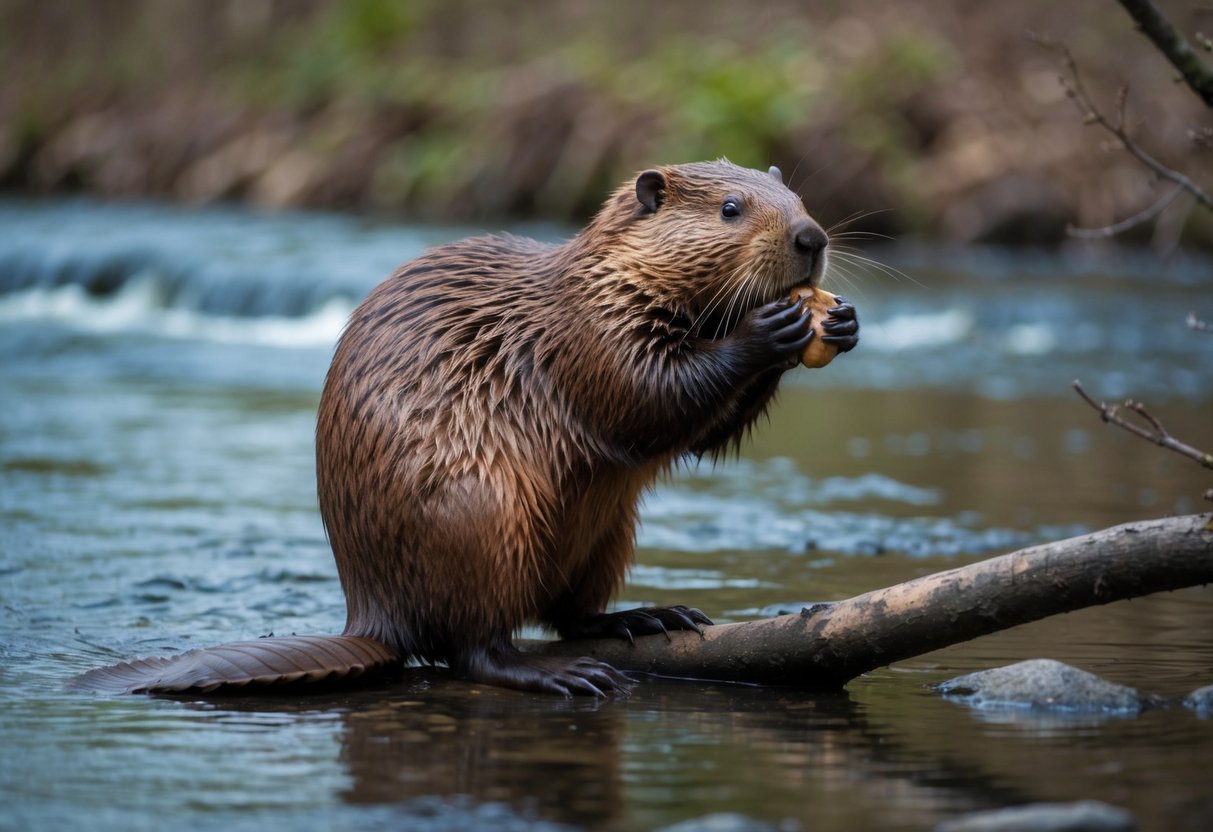
Beavers are fascinating large rodents with several unique features that enable them to thrive in aquatic environments. Their adaptations and dietary habits play a crucial role in their survival and impacts on ecosystems.
Physical Adaptations for Aquatic Life
Beavers are equipped with distinct physical traits that support their life in and around water. Their bodies are covered in thick, waterproof brown fur, which keeps them warm and dry while swimming.
Their front teeth are bright orange and incredibly strong, allowing them to gnaw through tough tree bark to access wood, a major part of their diet.
Beavers also have short legs but powerful webbed hind feet, which propel them efficiently through the water. This adaptation enables them to navigate rivers, ponds, and lakes with ease. Their flat tails act like rudders, helping with balance and steering while swimming.
Dietary Habits of Beavers
Beavers are herbivores and primarily feed on the bark and leaves of trees, shrubs, and aquatic plants. Some of their favorite choices include willow, poplar, and aspen.
To support their large bodies, they consume a significant amount of food each day. In winter, they can store branches and logs underwater to have access to food when it’s hard to find.
Their strong orange front teeth allow them to easily break through tough material to reach the nutritious inner bark. This diet not only keeps them healthy but also significantly impacts their environment by promoting growth and biodiversity in their habitats.
Beaver Habitats and Ecosystem Impact
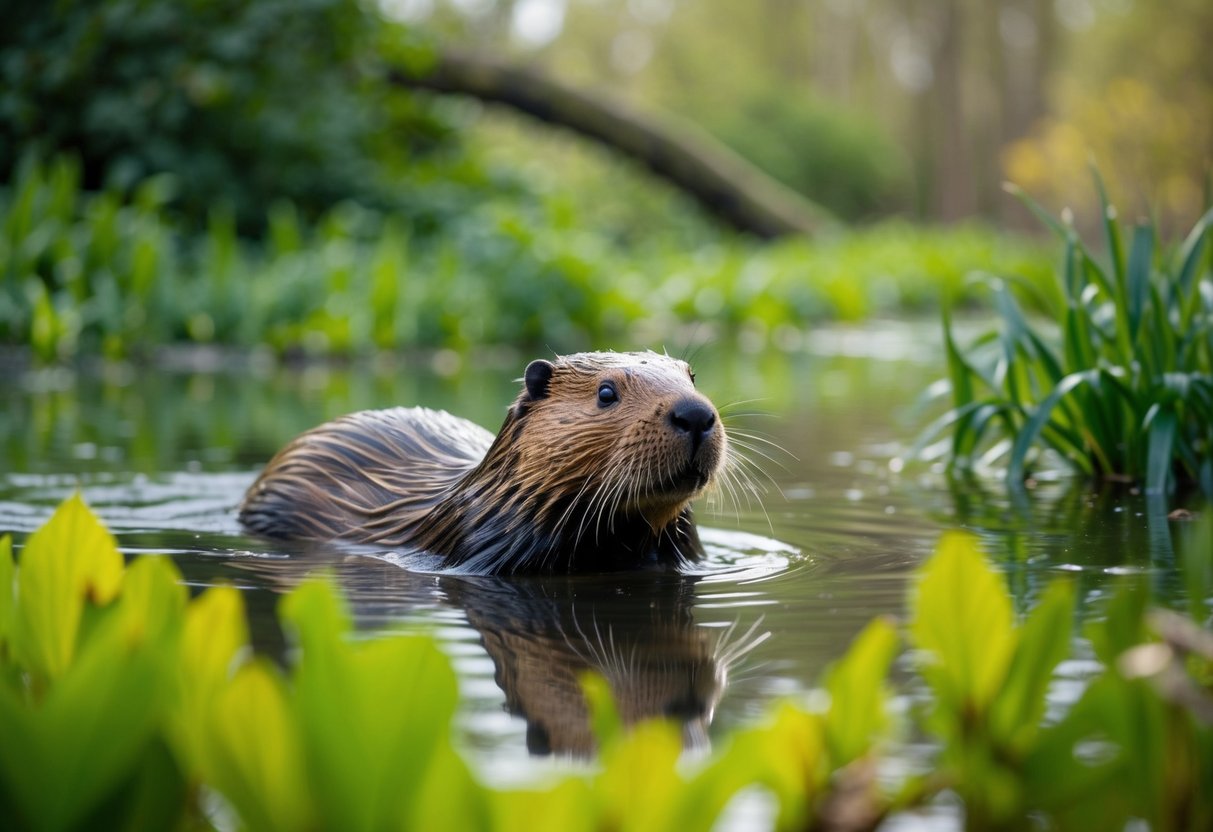
Beavers play a crucial role in shaping their habitats and the ecosystems around them. Their activities create diverse environments that support a wide range of wildlife. Understanding these impacts helps appreciate beavers as essential contributors to ecological health.
The Role of Beaver Dams in Ecosystems
Beaver dams are vital for creating wetland habitats. When beavers build dams, they form ponds that change the landscape. These ponds hold water, which helps to recharge groundwater and maintain river flow during dry periods.
The wetlands also improve water quality by filtering pollutants and sediment. As water flows through these areas, plants absorb nutrients, resulting in cleaner water downstream.
Moreover, beaver dams provide habitats for various species. Fish, amphibians, and birds thrive in these rich environments. The presence of beaver ponds can also increase biodiversity in surrounding woodland areas.
Interactions with Other Wildlife
Beavers are considered a keystone species due to their significant impact on other wildlife. By building dams and creating ponds, they influence the habitat for many animals.
For instance, many birds depend on the wetland habitat formed by beaver activity for nesting and foraging. Animals like otters and muskrats find food and shelter in these ponds.
In river valleys, beavers connect different ecosystems, allowing species to interact and thrive. This combined habitat promotes a healthier and more balanced ecosystem. Their presence supports flourishing communities of plants, insects, and other wildlife.
The History and Conservation of Beavers in the UK
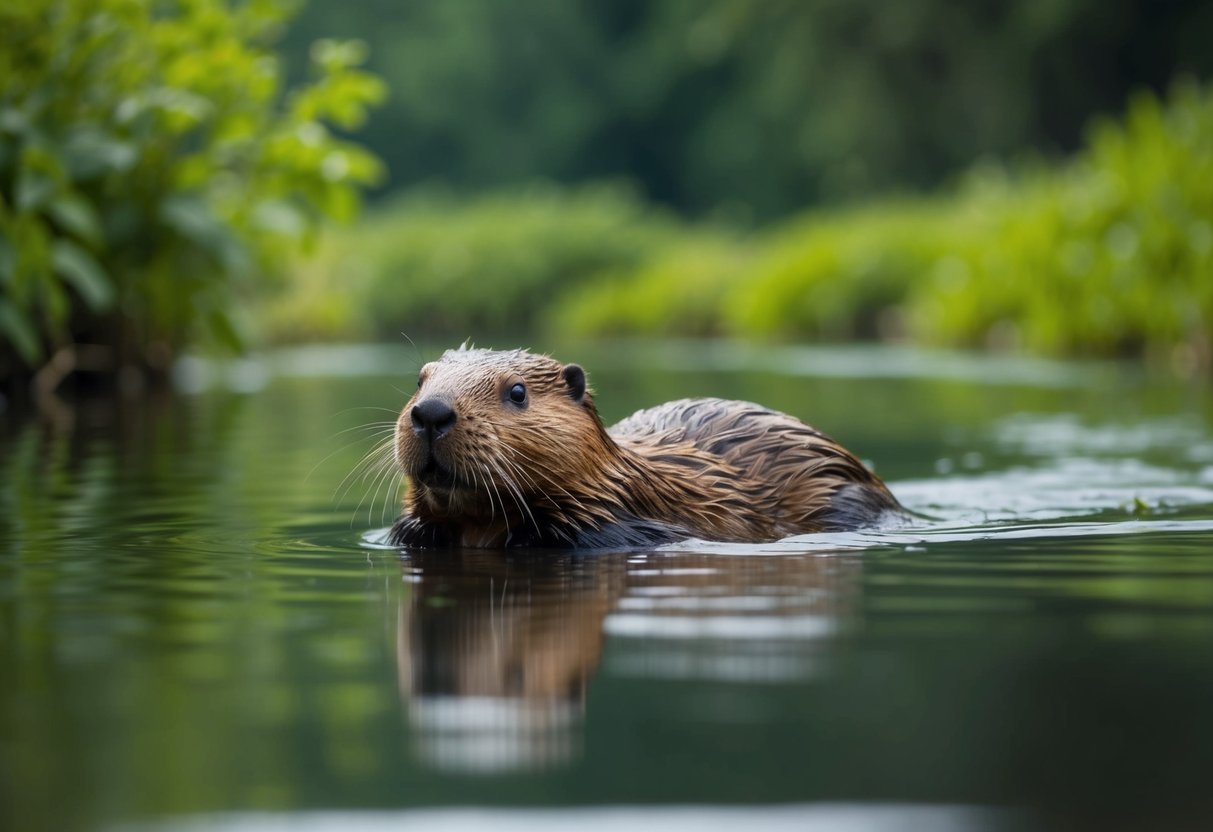
Beavers have a rich history in the UK, facing challenges like extinction and reintroduction. Today, conservation efforts are crucial for their survival and flourishment.
Reintroduction Efforts and Their Outcomes
The Eurasian beaver was once common in the UK but faced extinction due to hunting and habitat loss. After centuries, they were reintroduced through several projects aimed at restoring their populations.
Notable efforts include the River Otter Beaver Trial, where beavers naturally migrated and successfully bred, showing their adaptability. This led to wider acceptance of beavers as a native species.
Their reintroduction has shown positive impacts on local ecosystems. Beavers help create wetlands, which benefit many other species. These projects highlight the importance of beavers as ecological engineers in the environment.
Current Conservation Status and Programs
Today, beavers in the UK are classified as a species of “least concern” by the IUCN, but they are still considered endangered locally. The current beaver population is estimated at over 400 individuals in specific areas, mainly in Scotland, where they are recognized as a native species.
Conservation programs focus on habitat protection and raising awareness about the benefits of beavers. These programs also address threats like land disputes and habitat destruction.
While beavers can face culls from landowners, efforts are underway to provide them legal protection. Ongoing monitoring and research are essential to ensure the sustainability of beaver populations in the UK.
Understanding Beaver Behavior
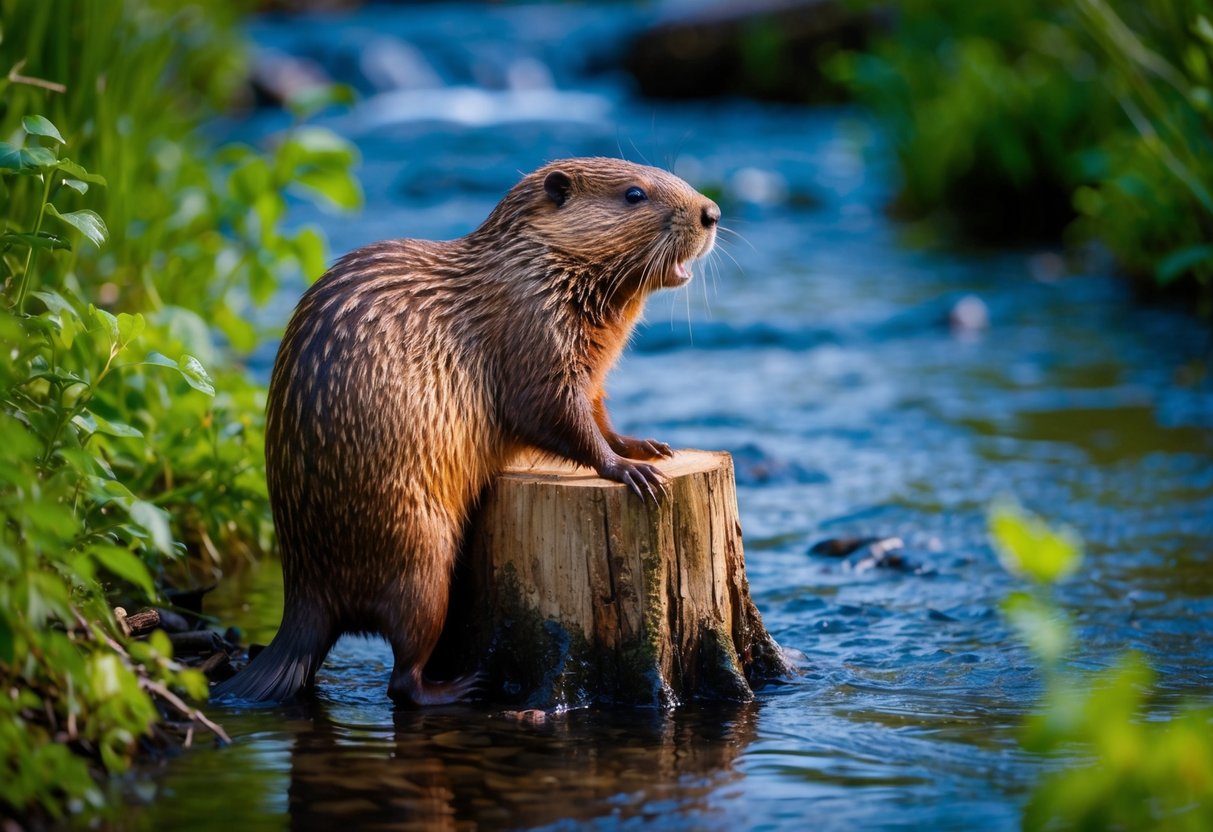
Beavers are fascinating creatures that exhibit unique social behaviors and activity patterns. You might be surprised by their habits and how they interact within their families and their habitats.
Social Structure and Reproduction
Beavers live in family groups, usually consisting of a breeding pair and their young. These family units are essential for raising their kits and maintaining their territory. Beavers are herbivores and primarily feed on plants like willow and grasses.
Breeding typically occurs in winter, and after a pregnancy of about 105 days, the female gives birth to one to four kits. The young beavers remain with their parents for about one to two years, learning vital skills like swimming and gnawing on trees, which helps them prepare for independence.
Daily and Seasonal Activity Patterns
Beavers are known to be crepuscular. This means they are most active during dawn and dusk. This behavior helps them avoid predators while foraging for food.
During warmer months, they swim and build dams. These dams create ponds that provide safety and food sources.
In winter, their activity may slow down, but they continue to gnaw on wood and maintain their lodges.
Their ability to adapt to seasonal changes ensures they thrive in various environments across the UK.


