
Raccoons might seem cute and harmless, but their bites can be more serious than you think. A raccoon bite can lead to injuries and potentially dangerous diseases like rabies. While raccoon encounters are rare, they usually happen when the animal feels threatened, often during food scavenging.
Knowing what to do if bitten is essential for your safety.

You may wonder, “Are raccoons dangerous?” Generally, they aren’t aggressive unless provoked. However, their bite carries a risk of infection and disease. Understanding the behavior of raccoons can help you avoid unwanted encounters.
In this article, you will learn about the risks associated with raccoon bites, how to prevent them, and what steps to take if you or a pet is bitten. Awareness is key to staying safe around these clever creatures.
Understanding Raccoon Behavior and Risks
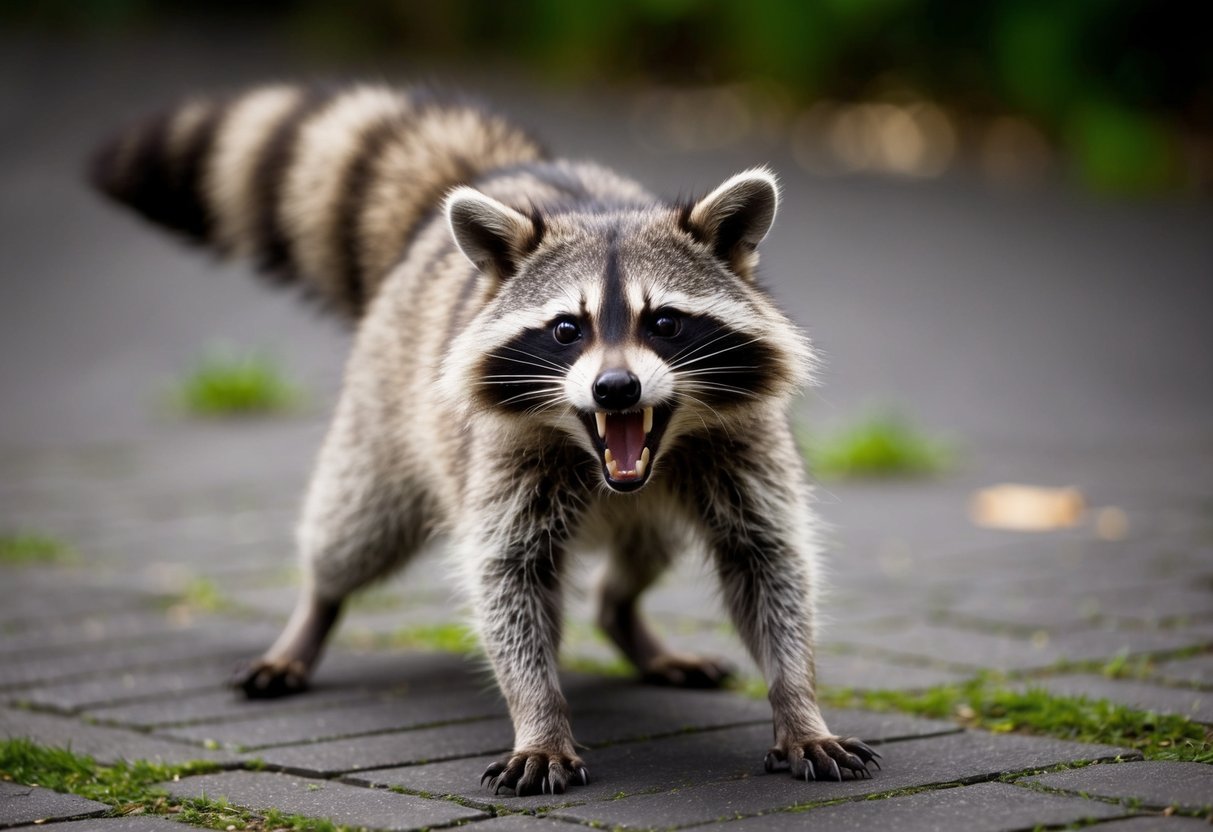
Raccoons are often misunderstood animals. By learning about their behaviors and the risks they pose, you can better protect yourself and your pets.
Characteristics of Aggressive Behavior
Raccoons are generally shy but can show aggression if they feel threatened. They may hiss, growl, or bare their teeth when they feel cornered. If a raccoon feels its food source is at risk, it might display aggressive behavior.
You can recognize these signs of aggression as warning signals. It’s important to keep your distance if you see these behaviors. Never try to approach or feed a raccoon, as this can lead to potential raccoon attacks.
If a raccoon is cornered, it may bite in self-defense. Always exercise caution and be aware of your surroundings, especially if a raccoon is near your home.
Health Risks Associated with Raccoons
Raccoons are known carriers of several diseases. Their feces and urine can spread harmful pathogens. Diseases like leptospirosis, salmonella, and roundworms can be transmitted through contact with raccoon waste.
If you are bitten, it is crucial to seek medical attention. A raccoon bite can expose you to rabies, a severe illness. Raccoon feces may also contaminate food sources, putting your health at risk.
Always be mindful of areas where raccoons might frequent. Keeping your trash secured and not leaving food outside can help minimize encounters and health risks.
Medical Concerns Following a Raccoon Bite

A raccoon bite can raise several health concerns, particularly relating to diseases like rabies. Understanding these effects is essential for your safety and health. Immediate action is crucial for proper treatment and prevention of complications.
Rabies and Its Implications
Rabies is one of the main concerns after a raccoon bite. Raccoons are known carriers of the rabies virus, and getting bitten can expose you to this serious disease. If a raccoon seems aggressive or is acting strangely, it might be rabid.
Symptoms of rabies can include:
- Fever
- Headache
- Confusion
- Foaming at the mouth
- Paralysis
If you suspect you have been bitten by a rabid raccoon, seek medical attention immediately. A healthcare professional may recommend post-exposure prophylaxis, which includes a rabies vaccine. Timely treatment is key to preventing a rabies infection, which can be fatal if left untreated.
Immediate Actions and Wound Care
You should act quickly after a raccoon bite. The first step is to wash the wound thoroughly with soap and water. Clean the area for at least 15 minutes to reduce the risk of infection.
After cleaning the wound, you need to seek medical attention. A healthcare professional will assess the bite marks and may prescribe antibiotics if there is a risk of infection. Additionally, they will check if your tetanus vaccination is up to date. A rabies vaccination may also be necessary based on the circumstances of the bite. Taking these steps can help ensure your safety after a raccoon bite.
Prevention and Control of Raccoon Incidents
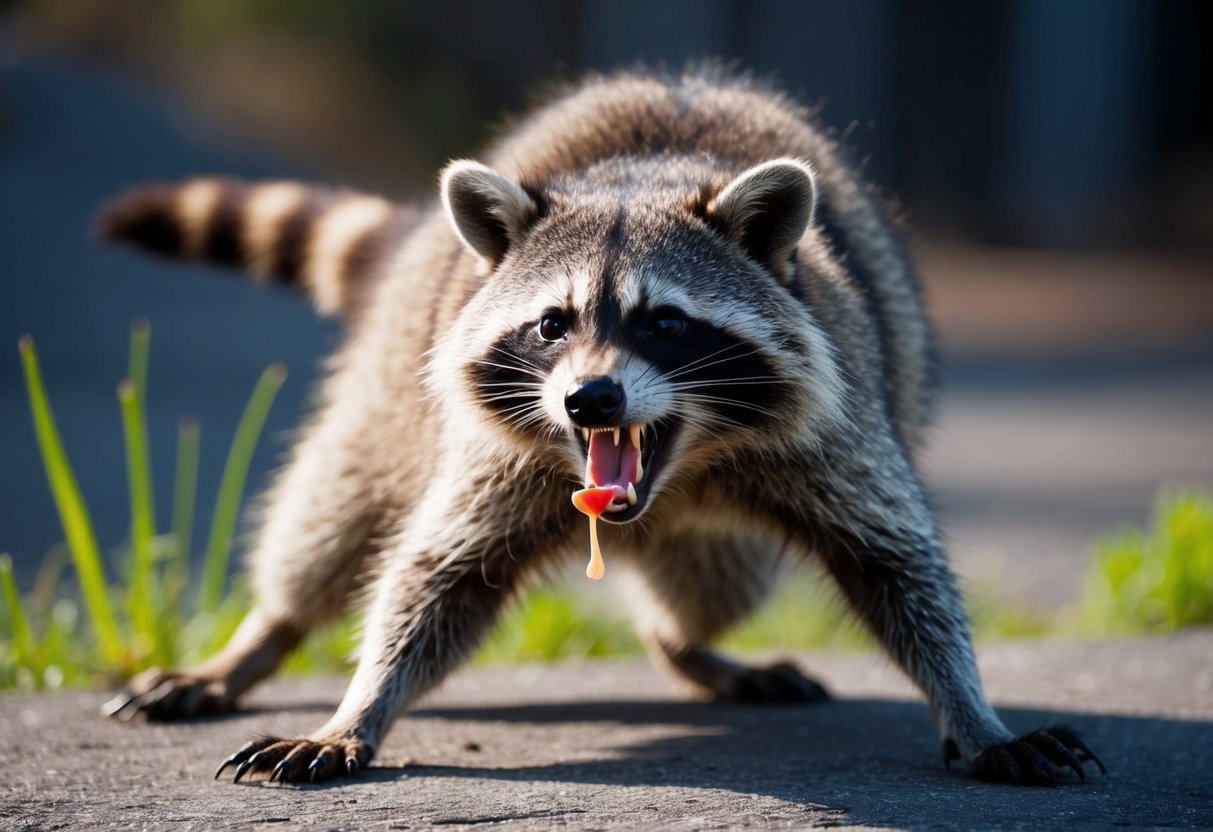
To keep raccoons at bay, you need to focus on effective deterrence and specific proactive measures. Knowing how to remove food sources and using professional help can help protect your home from these pests.
Effective Raccoon Deterrence
Start by eliminating food sources around your home. This includes securely storing garbage in raccoon-proof containers and removing pet food when it’s not being eaten. Make sure to clean up any fallen fruit from trees or spilled birdseed.
Next, consider adjusting the environment. Trim back trees and shrubs that may offer access to roofs or attics. Installing motion-activated lights and noise deterrents can also help scare raccoons away when they approach.
If you notice signs of raccoons in your area, it’s wise to look into professional raccoon removal services. They can assess your situation and provide expert pest control solutions tailored to your needs.
Prophylactic Measures
To prevent raccoon bites and other incidents, you must secure any potential entry points in your home. Use hardware cloth to cover openings, like vents and chimneys. Consider replacing pet doors with models that include locks or chips.
Also, make sure to vaccinate your pets against rabies. This protects them and you if they happen to encounter a raccoon. You can also use fencing to create a barrier around gardens or areas where pets roam.


