
Raccoons have a unique charm that captures many people’s hearts. Their playful nature, along with those unmistakable mask-like markings on their faces, makes them endearing to watch.
You might find yourself captivated by their curious behavior and the way they use their paws to explore their surroundings.

Many consider raccoons cute because they often mimic human-like expressions and actions. Watching them rummage through trash bins or play together can bring a smile to your face. This mix of mischief and adorableness creates a special connection with these animals.
Their fluffy tails and distinct appearance add to their appeal, making them truly stand out among other creatures.
As you continue reading, you’ll discover more about what makes raccoons so lovable and why they deserve appreciation beyond their reputation as pests.
The Appeal of Raccoons

Raccoons charm many people with their unique looks and playful behaviors. Their physical traits and curious nature make them stand out in the animal kingdom.
Physical Features That Evoke Cuteness
Raccoons have several physical traits that many find adorable. Their distinctive black “masks” around their eyes give them a playful appearance. These markings make their expressions more pronounced, which many see as cute.
Their ringed tails also add to their charm. This pattern is eye-catching and enhances their mischievous image.
Moreover, raccoons have dexterous paws that resemble little hands. You might be surprised by how they use these paws to grasp and manipulate objects. This skillfulness captures attention and brings a sense of joy. Watching a raccoon wash its food is a delightful sight that often makes people smile.
Behavioral Traits and Intelligence
Beyond their looks, raccoons are known for their intelligence and curious behavior. They’re often seen exploring their surroundings. This curiosity leads them to investigate new things, making them entertaining to watch.
Raccoons are also problem solvers. They can figure out how to open containers or access food. This cleverness showcases their intelligence.
Their playful nature often includes climbing and tumbling. This fun behavior makes them more relatable, as you might see your pet acting similarly during playtime.
Raccoons in the Wild
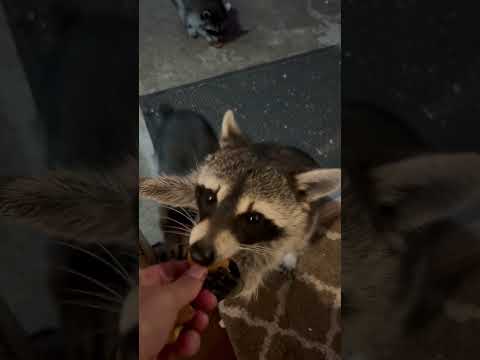
Raccoons are fascinating creatures that exhibit unique behaviors and habits in their natural environment. Understanding their diet, feeding habits, habitat, and social behavior reveals much about why they are so charming.
Diet and Feeding Habits
Raccoons are omnivores, which means they eat both plants and animals. Their diet is quite varied and can include fruits, nuts, insects, small animals, and even human food when available.
They are known for their cleverness when it comes to finding food. Raccoons can often be seen rummaging through trash cans or exploring gardens. This adaptability helps them thrive in different environments.
Their strong front paws and dexterous fingers allow them to open containers and dig for food. This behavior not only showcases their intelligence but also adds to their appeal as charming wild animals.
Habitat and Social Behavior
Raccoons are primarily nocturnal, meaning they are most active at night. This behavior helps them avoid natural predators and find food more easily under the cover of darkness. During the day, they typically rest in tree hollows, abandoned burrows, or under structures.
In the wild, raccoons often live in small groups, which promotes social interaction. Their social structure can be quite complex, with animals developing relationships within their groups. You might even see them engaging in playful behavior, adding to their cute reputation.
Raccoons are adaptable and can thrive in various habitats, from rural areas to urban settings. This adaptability makes them a common sight in many neighborhoods, further capturing the hearts of those who encounter them.
Interaction with Humans

Raccoons are curious creatures that often find themselves interacting with humans more than many other wild animals. This interaction can happen in urban settings where trash cans become a key part of their scavenging behavior. However, getting too close to wild raccoons can pose risks, especially if they are domesticated.
Urban Encounters and Trash Cans
In cities, raccoons have adapted to living near humans. They often raid trash cans in search of food, making them a common sight in neighborhoods. Their intelligence helps them figure out how to open containers, leading to playful antics that many find entertaining.
These encounters often raise safety concerns. Raccoons can carry diseases such as rabies and leptospirosis, which can spread to pets and humans. Watching them from a distance is best to avoid any risks associated with close contact.
The Risks of Domestication
Some people may consider keeping raccoons as pets. While they can be affectionate and playful, domesticated raccoons can still display wild behaviors. They have strong instincts and may become challenging to care for.
Living with a pet raccoon means you need to be aware of their potential health risks. They can still transmit infections to humans and pets. Educating yourself about proper care and behavior will help create a safer environment if you choose to adopt one. Just remember that their wild side always remains a part of them, no matter how cute they are.


